Past and present colleagues often know me as a visionary leader on a mission—strategically engineering healthier, more sustainable, and livable communities. With a background that melds architecture, construction, and military precision, I'm a natural problem-solver, magnetically pulled toward tackling grand-scale global issues, particularly those intersecting health and the built environment.
Let's face it: the building sector is a major climate culprit, responsible for over a third of global annual greenhouse gas emissions, and more specifically, the construction industry is responsible for 38% (14 gigatons) of all energy-related greenhouse gas emissions each year.
Recognizing this, I've made it my life's work not just to be part of the conversation but a catalyst for change, driving practical solutions for our economy into a greener, more sustainable era.
But here's the kicker—I'm not just committed to this work; I'm absolutely jazzed about it! It's not just a job; it's a calling I relish every day.
Last month, I had the privilege of presenting at the 2nd Annual Advancing Construction Decarbonization Conference in Denver. The event brought together sustainability leaders, project executives, and innovators to explore one central question: How can we accelerate carbon reductions in the construction phase, where it often matters most—but is least understood?
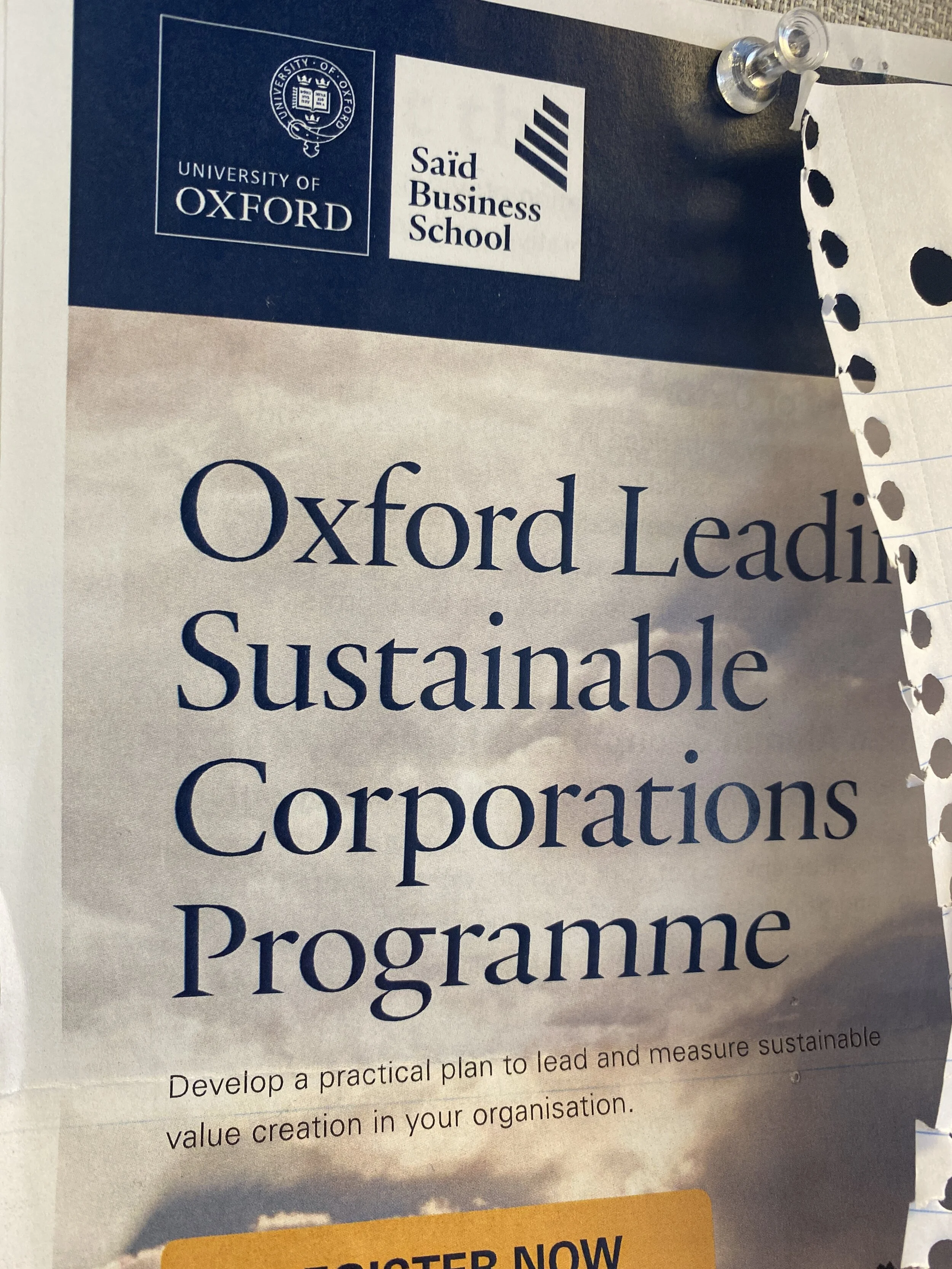
Early on during the pandemic, I would hear people say that we should all have something to show for how we spent our time during this time. So when an advert from the Said Business School at the University of Oxford showed up on my LinkedIn offering an executive education program on sustainability for corporate leaders, I jumped at the chance to dive deep into a topic near and dear to my heart.
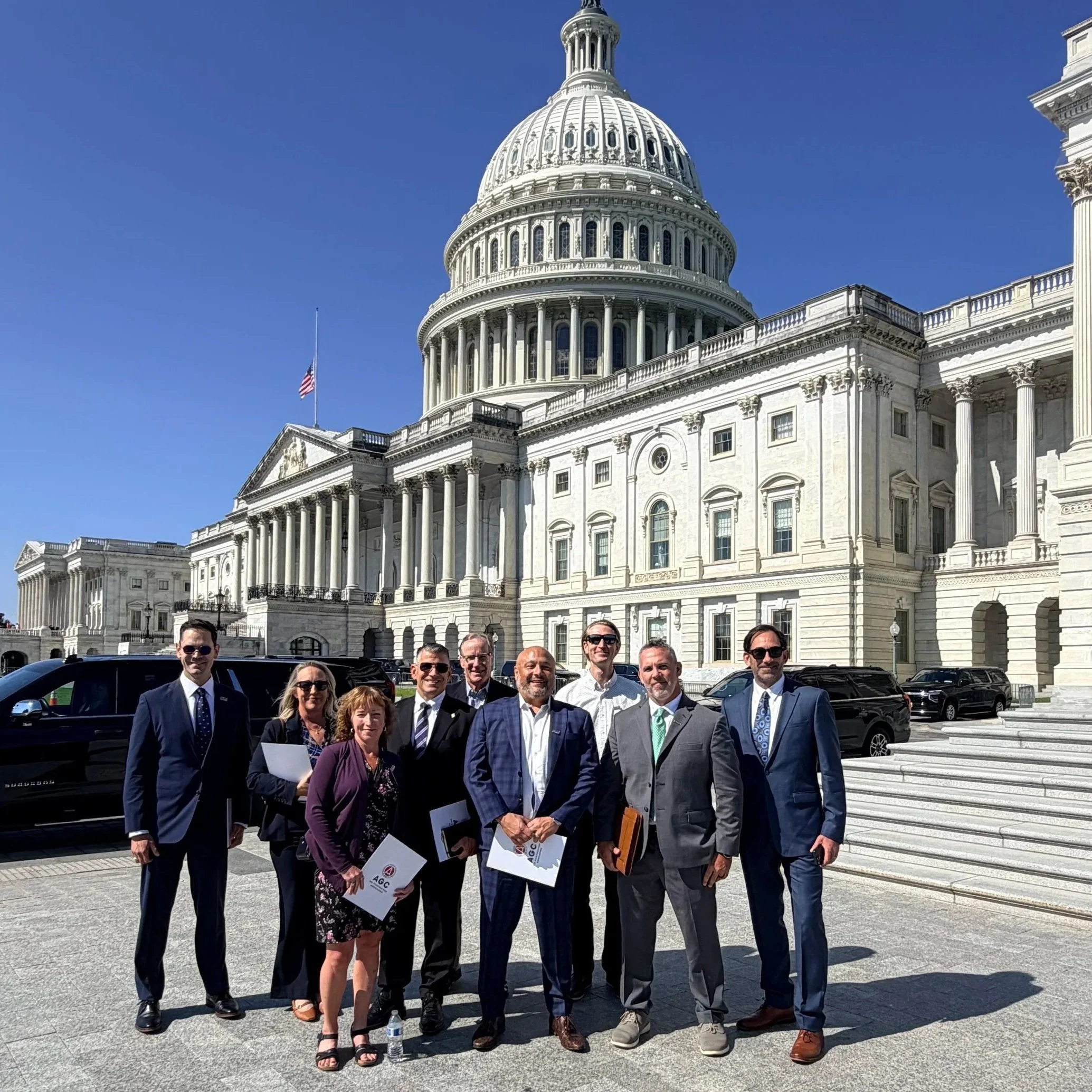
Last week, I joined fellow members of the Associated General Contractors of America Environmental Committee on Capitol Hill for conversations with congressional staff from both sides of the aisle about PFAS, permitting reform, and the practical effects of environmental policy on the construction industry.
Last week, I had the privilege of attending the 3rd Chief AI Officer Summit in Washington, D.C., where AI thought leaders and innovators gathered to discuss the future of artificial intelligence. The conversations were insightful, and I walked away with three major takeaways that resonated deeply with me. These insights address some of the most pressing challenges and exciting opportunities facing AI today—particularly around trust, workforce empowerment, and the evolving role of AI in real-time decision-making.
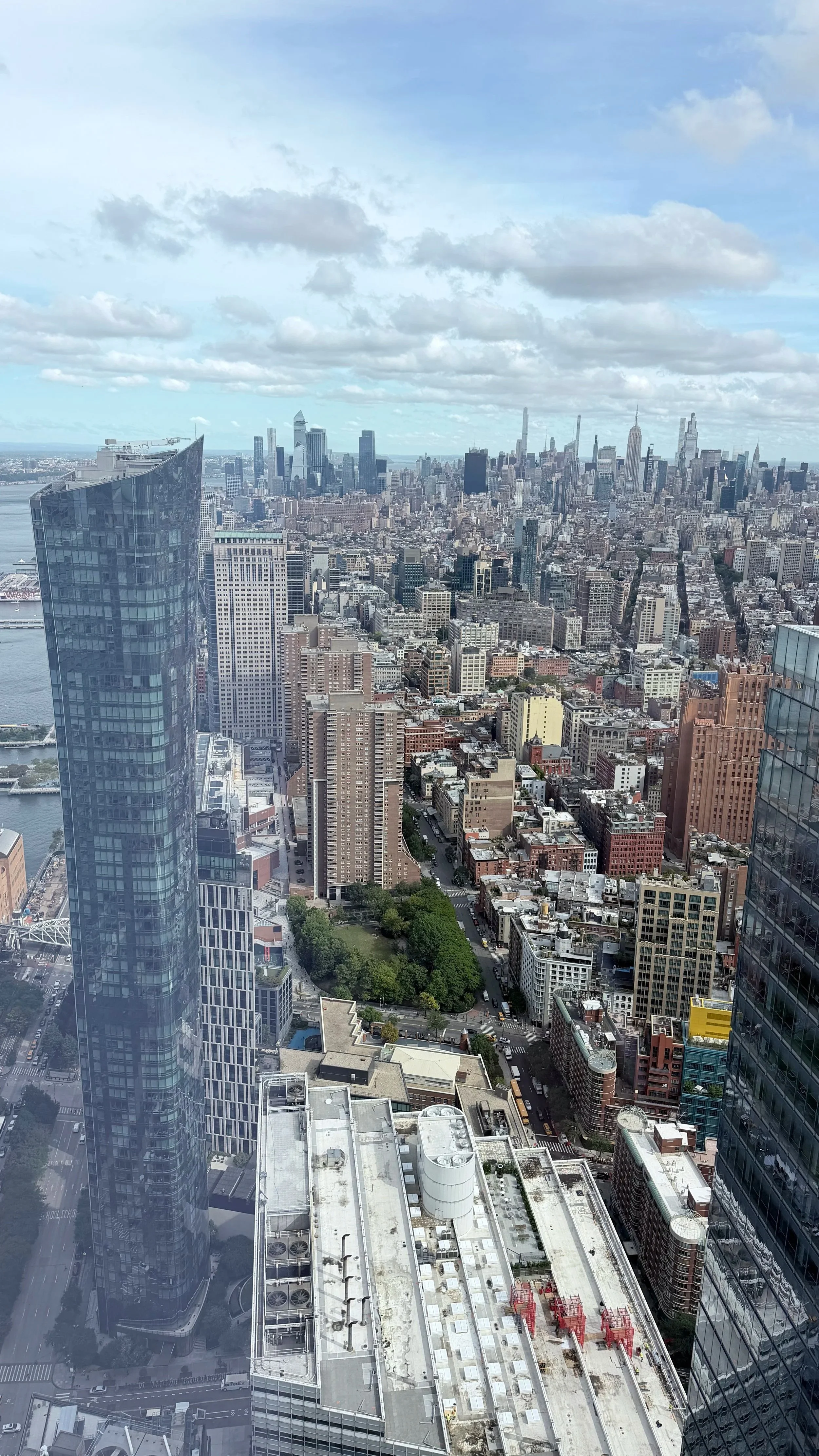
As we continue to see data center demand surge, the conversations sparked here at the Building Transformation Forum must evolve into tangible actions. By embracing these sustainable practices, we can redefine how technology and cities coexist for the benefit of society.
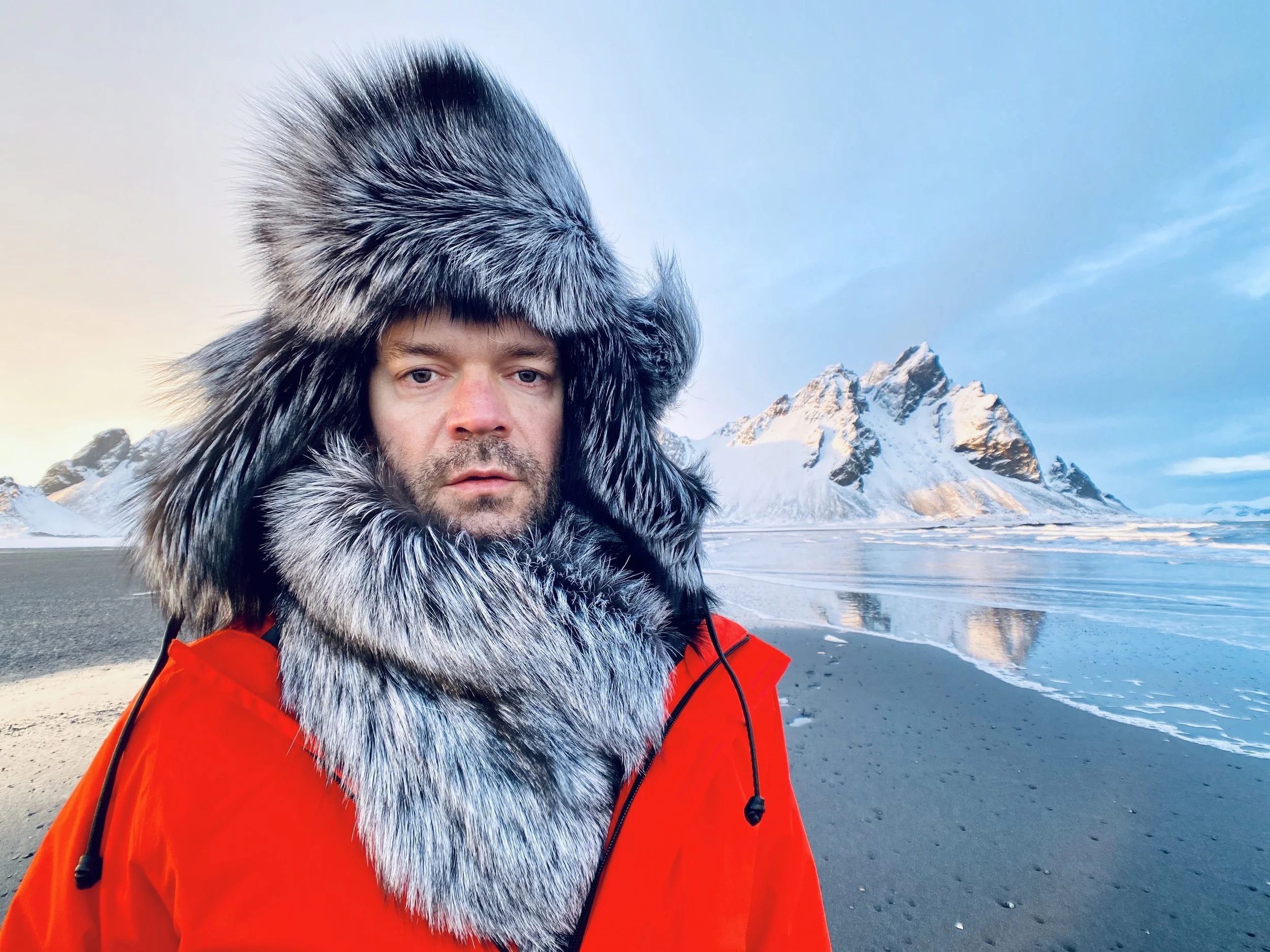
My love of snow did not come out of nowhere. Before skiing, there was ice. Before groomers and chairlifts and trying to link cleaner turns, there was this pull toward cold places, mountain weather, glacial landscapes, and the strange beauty of environments that ask you to pay attention.
Last week, I attended the Environmental Film Festival in the Nation's Capital for my second year, and I'm excited by how their programming—especially around Built Environment themes—continues to grow and evolve. Events like this remind me how vital it is to step beyond industry silos and connect our construction and design conversations to broader environmental dialogues.
Reflecting on my transformative journey with the Urban Design Program and the impactful project in Kumasi, Ghana, this experience marks a pivotal point in both my professional development and personal commitment to sustainable urban design. Addressing urban poverty through innovative waste management and sanitation, our work aimed to foster equitable and sustainable environments, while empowering local communities.
As President-Elect Biden establishes his climate leadership team with a focus on environmental justice, I fondly remembered my past work at the Clinton Global Initiative, where I oversaw the development of the City of Birmingham’s six-point commitment to action for ongoing community revitalization and the creation of hundreds of jobs in North Birmingham.