
Before Skiing, There Was Ice
/A Trip at the Edge of a Shift
In early March 2020, I flew to Iceland for a nine-day winter trip along the South Coast. At the time, I don’t think I understood how much that trip would stay with me. I knew I wanted an adventure. I knew I wanted to see the glaciers. But looking back now, I can see that I was chasing something deeper than scenery.
The timing also made the trip feel different in hindsight. I was traveling right before the world changed. Within days, airports, borders, workplaces, and everyday routines would begin to shift in ways most of us could not yet fully understand. So when I look back at those photos now, they carry a strange kind of charge. There I was, moving through vast winter landscapes, standing near ancient ice, and then almost immediately afterward the world started to close in.
That doesn’t make the trip feel smaller. It makes it feel more alive.
It reminds me that the places we feel called to see, the experiences that stretch us, and the landscapes that humble us are not things to postpone forever. They are part of how we understand our place in the world.
Why I Went
One of the reasons I wanted to go to Iceland was because of the environmental film Chasing Ice. That film changed the way I thought about glaciers.
Before that, I understood climate change in the way many of us first understand it: through charts, temperatures, emissions data, policy debates, and warnings about what could happen if we fail to act. I had studied climate and environmental systems during my graduate work in Environmental Science and Policy at Columbia University. I understood the science and the policy side, at least intellectually.
But Chasing Ice made the loss feel physical.
It gave scale to something that can otherwise sound abstract. I wanted to see a glacier up close. I wanted to understand what, exactly, we are losing.
So I went.
Moving Through Iceland’s Winter Landscapes
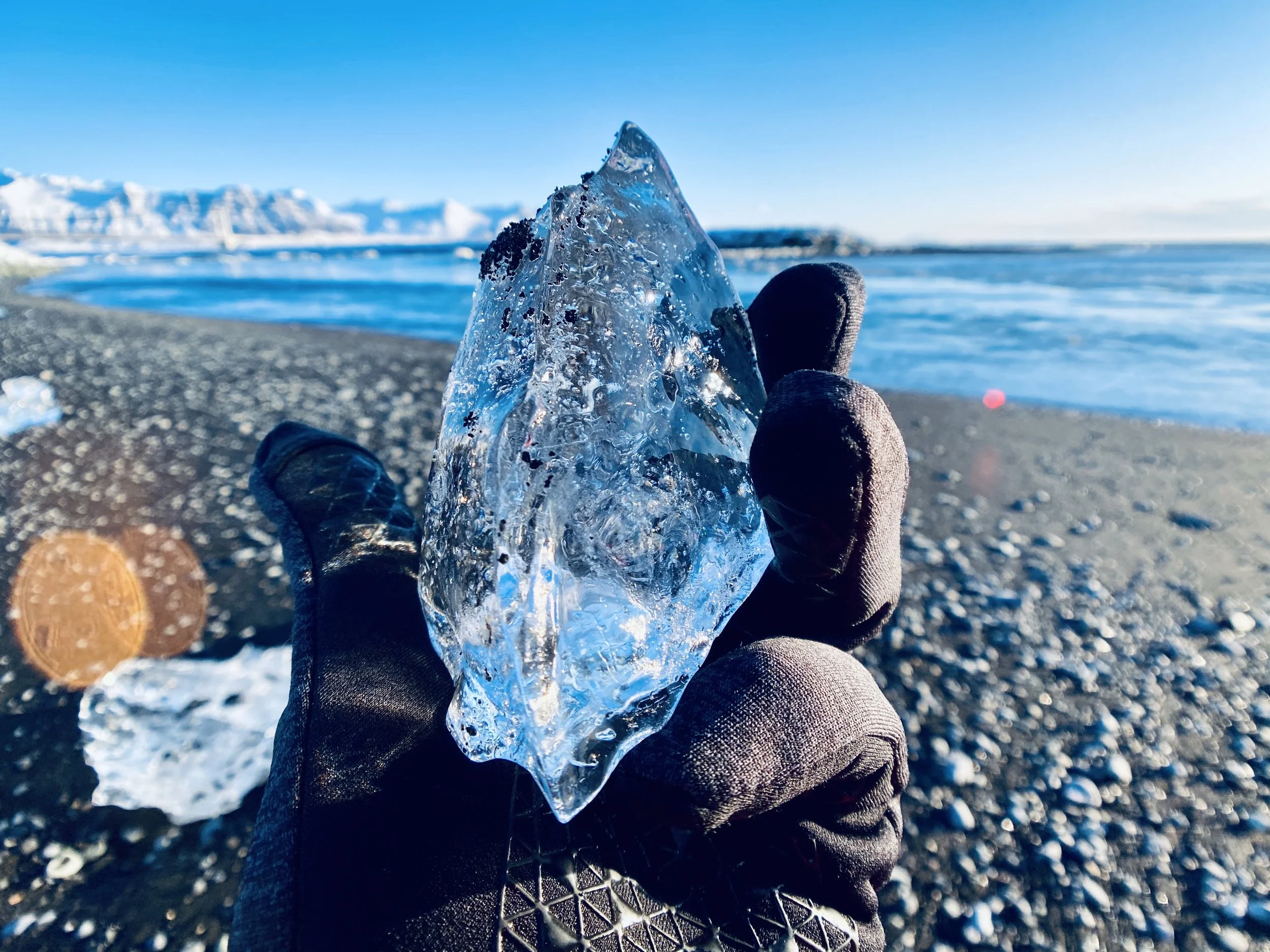
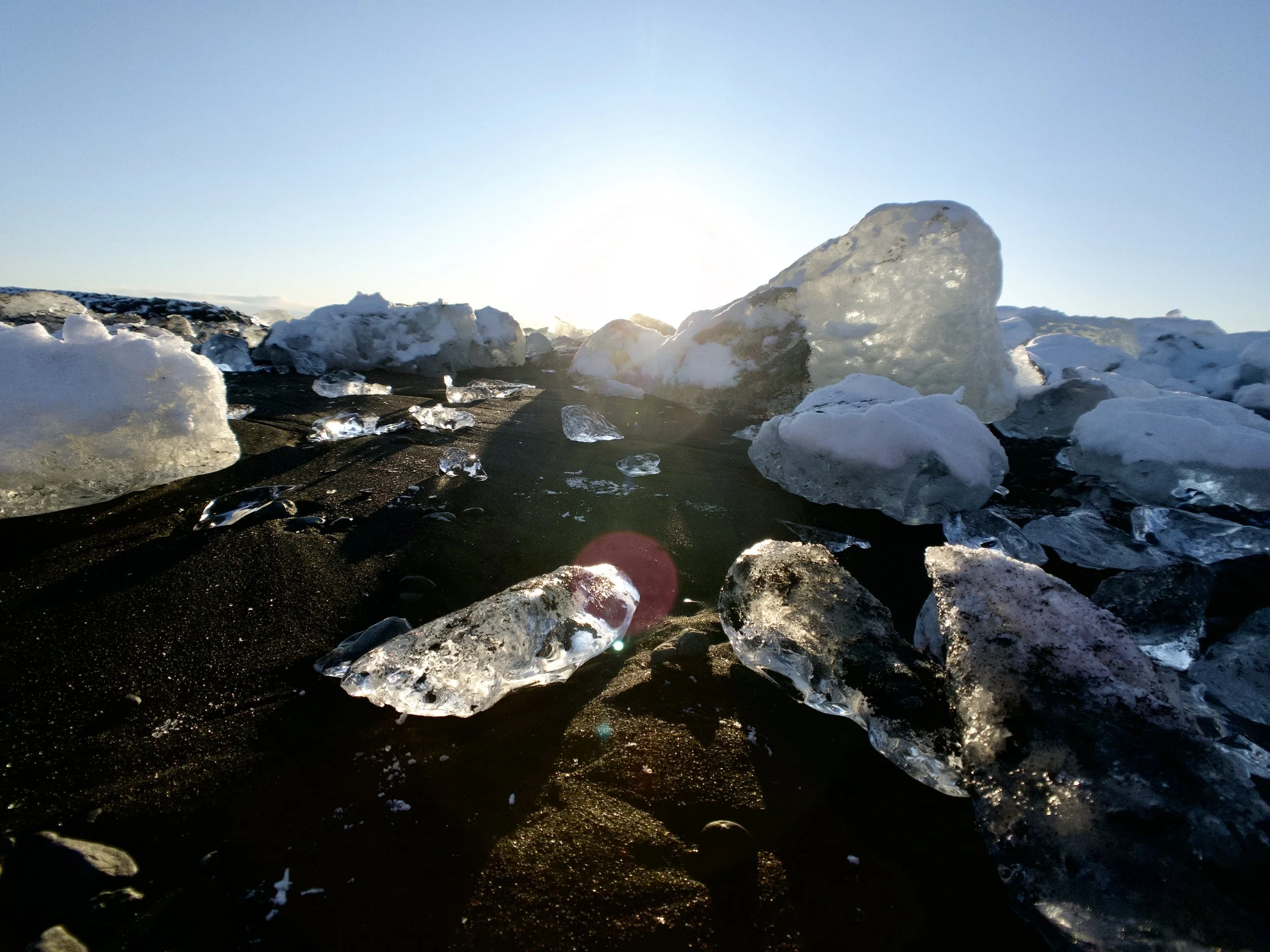
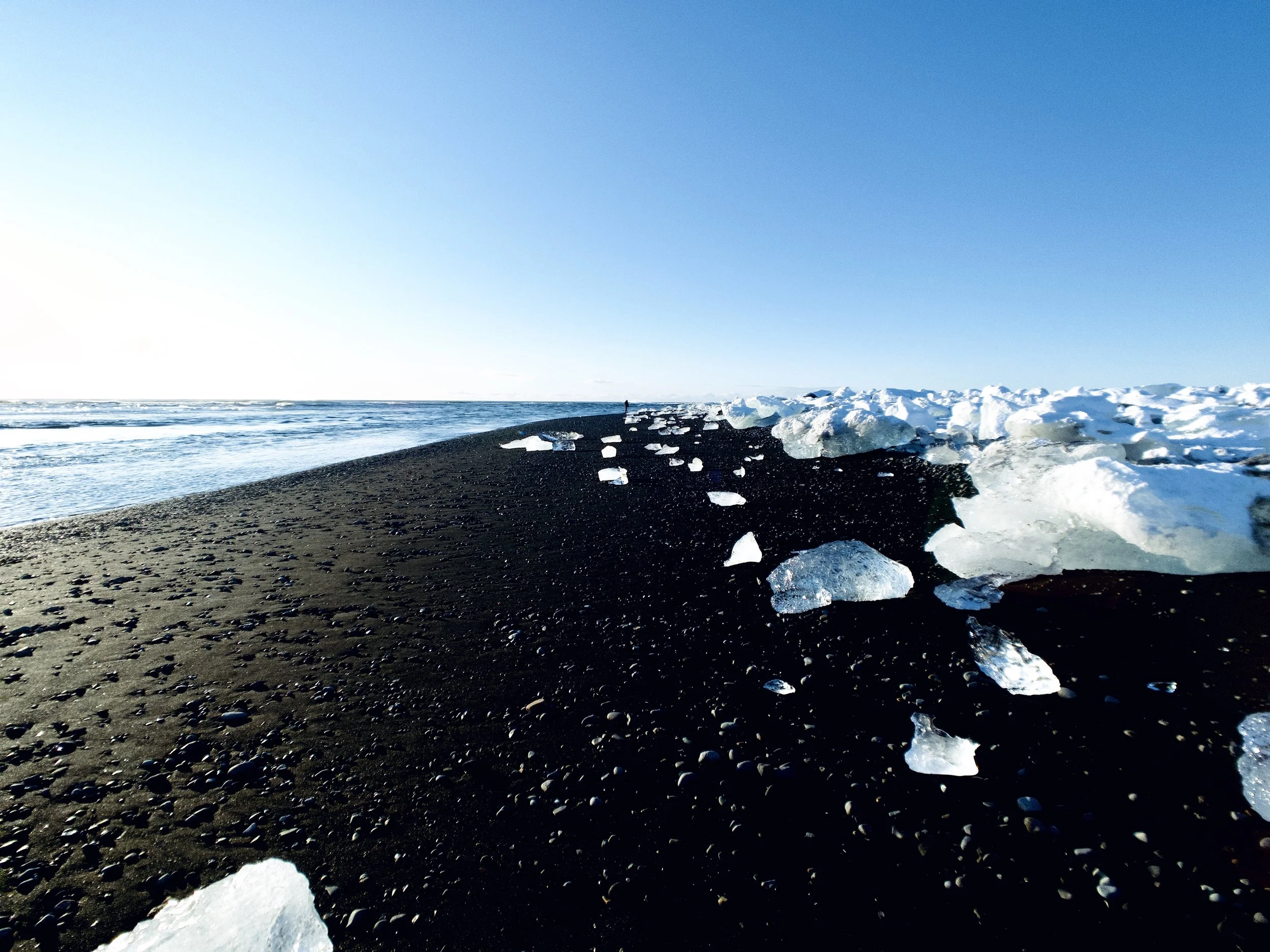
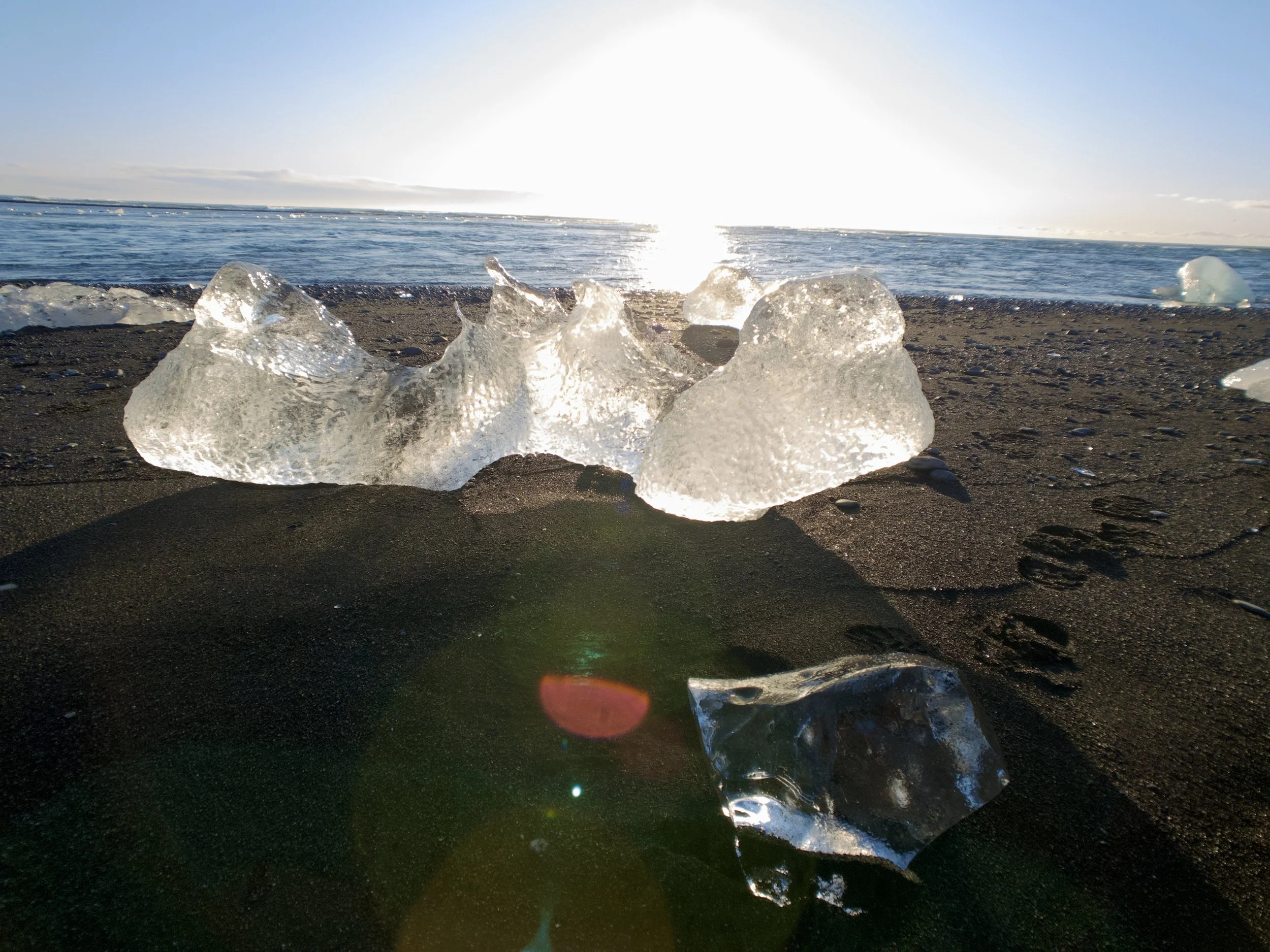
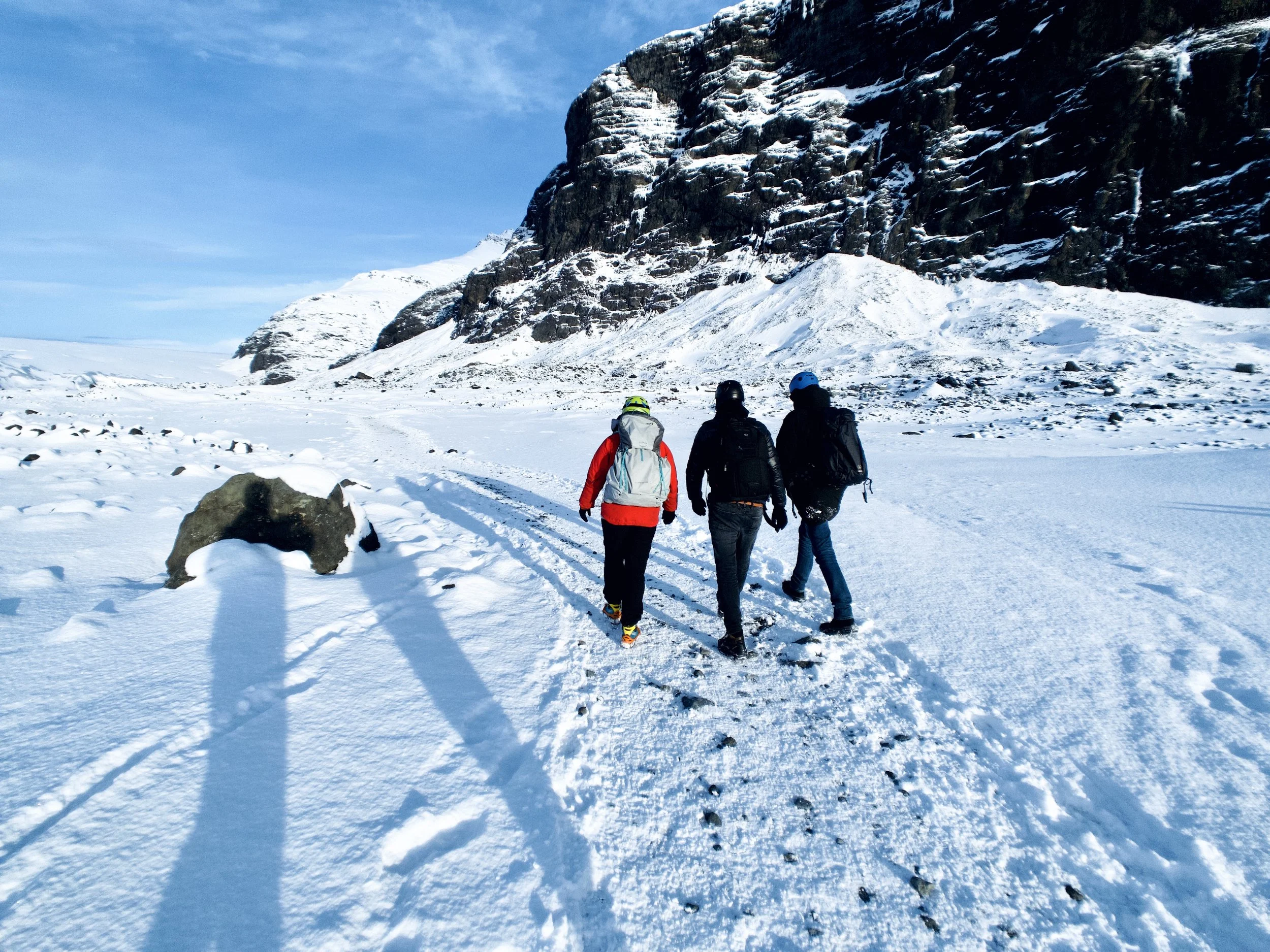
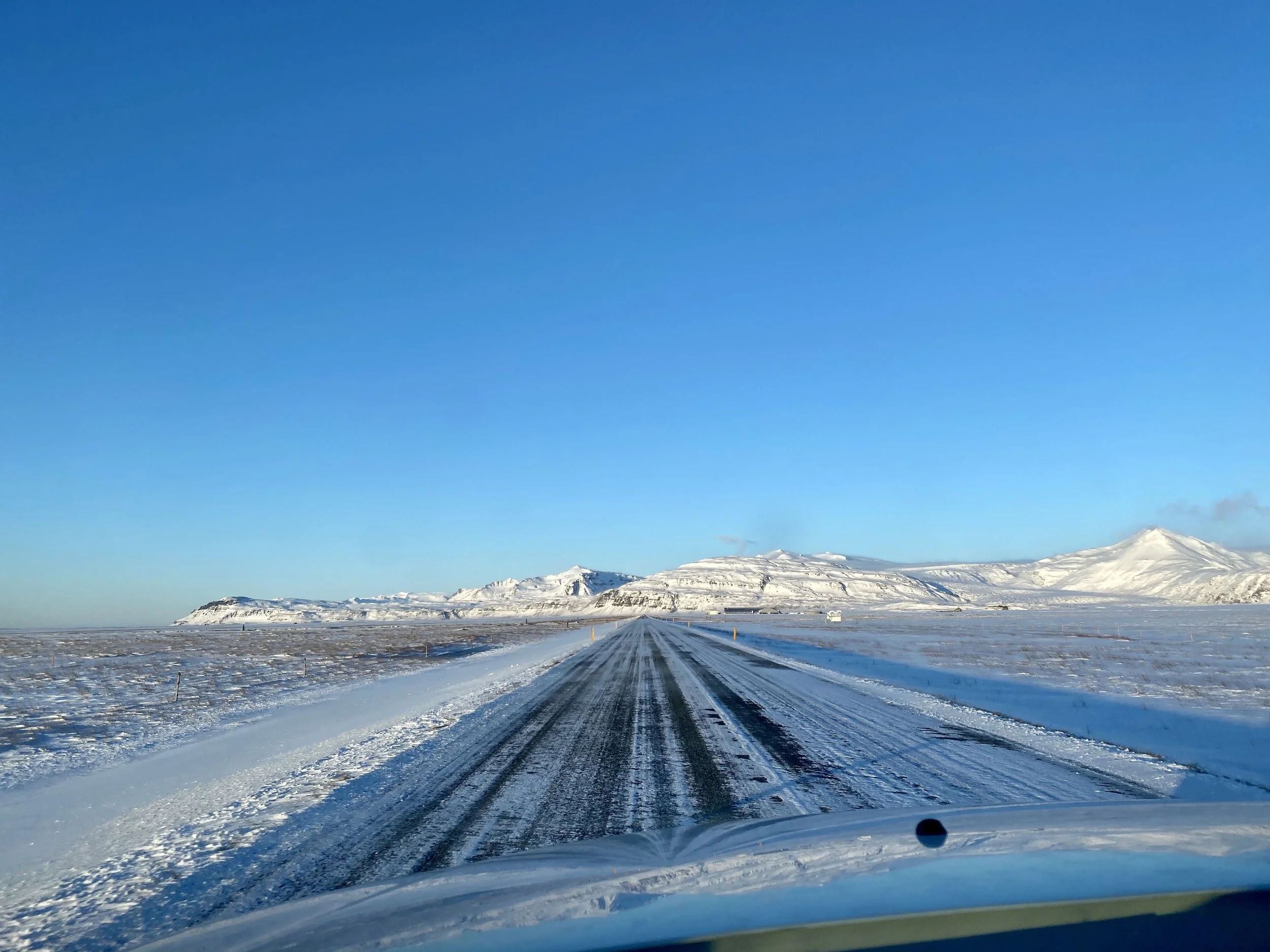
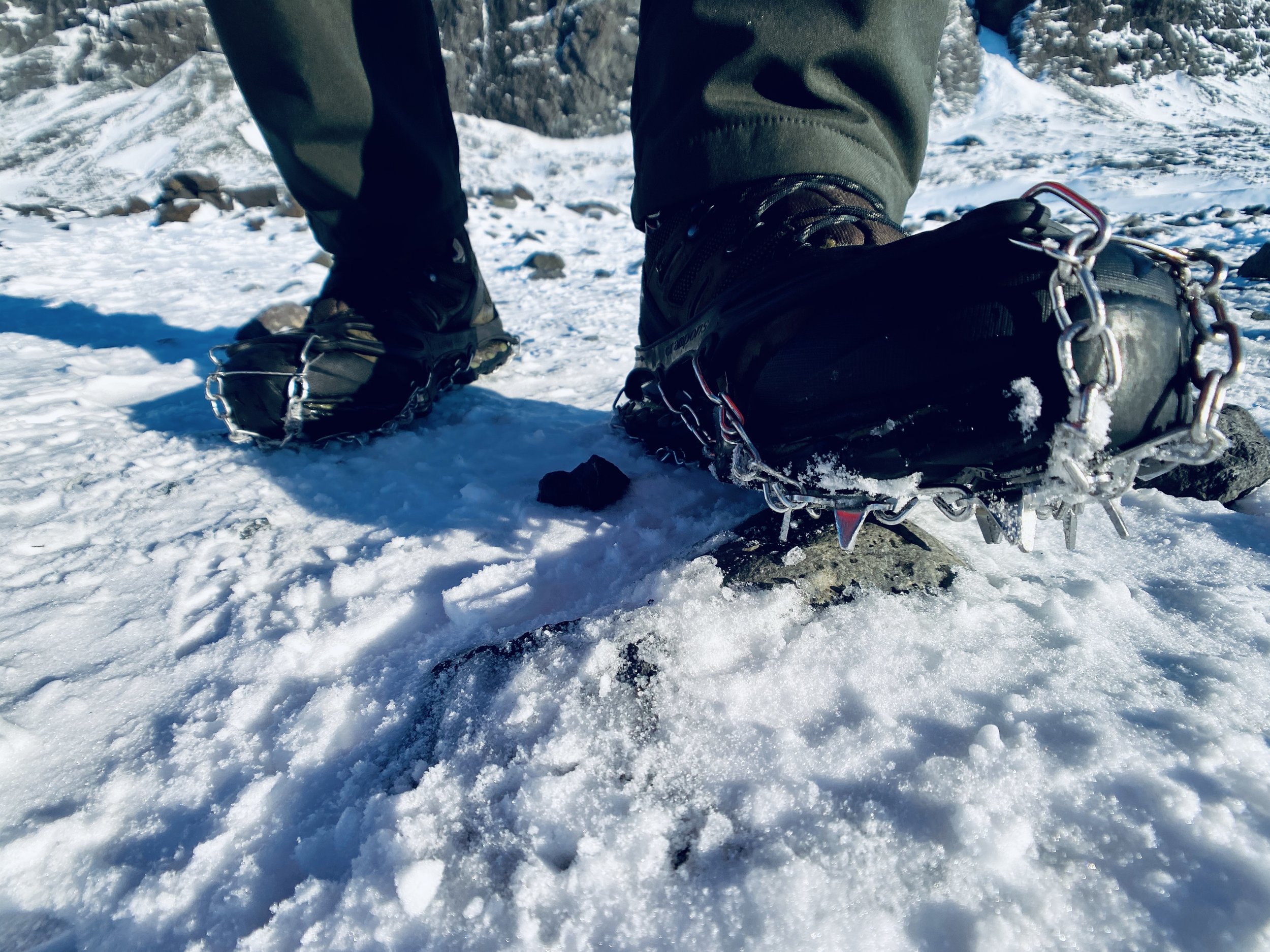
Over nine days, I explored Iceland’s South Coast in winter: glaciers, black sand beaches, frozen roads, waterfalls, lagoons, volcanic fields, and long stretches of wind-shaped coastline.
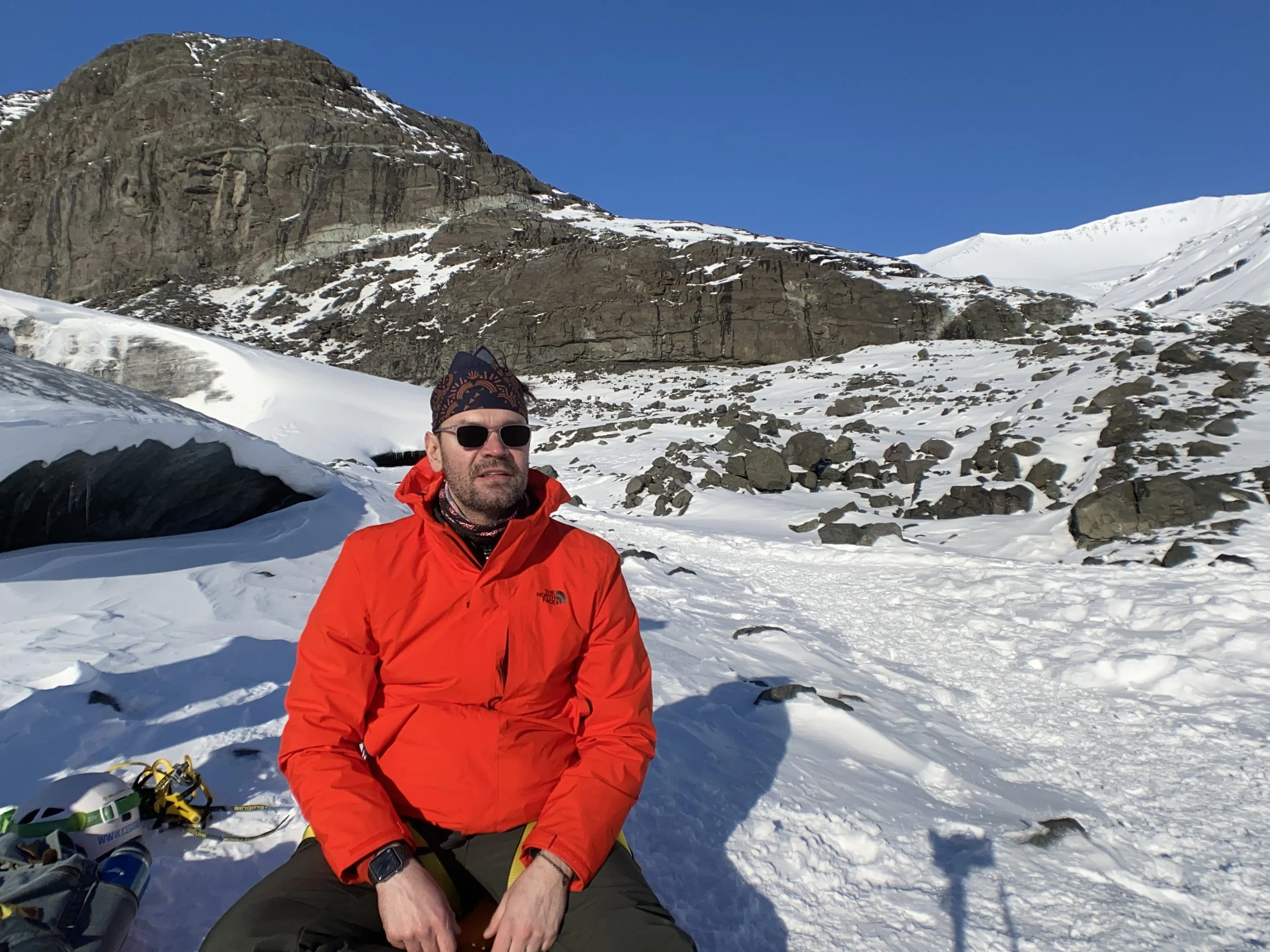
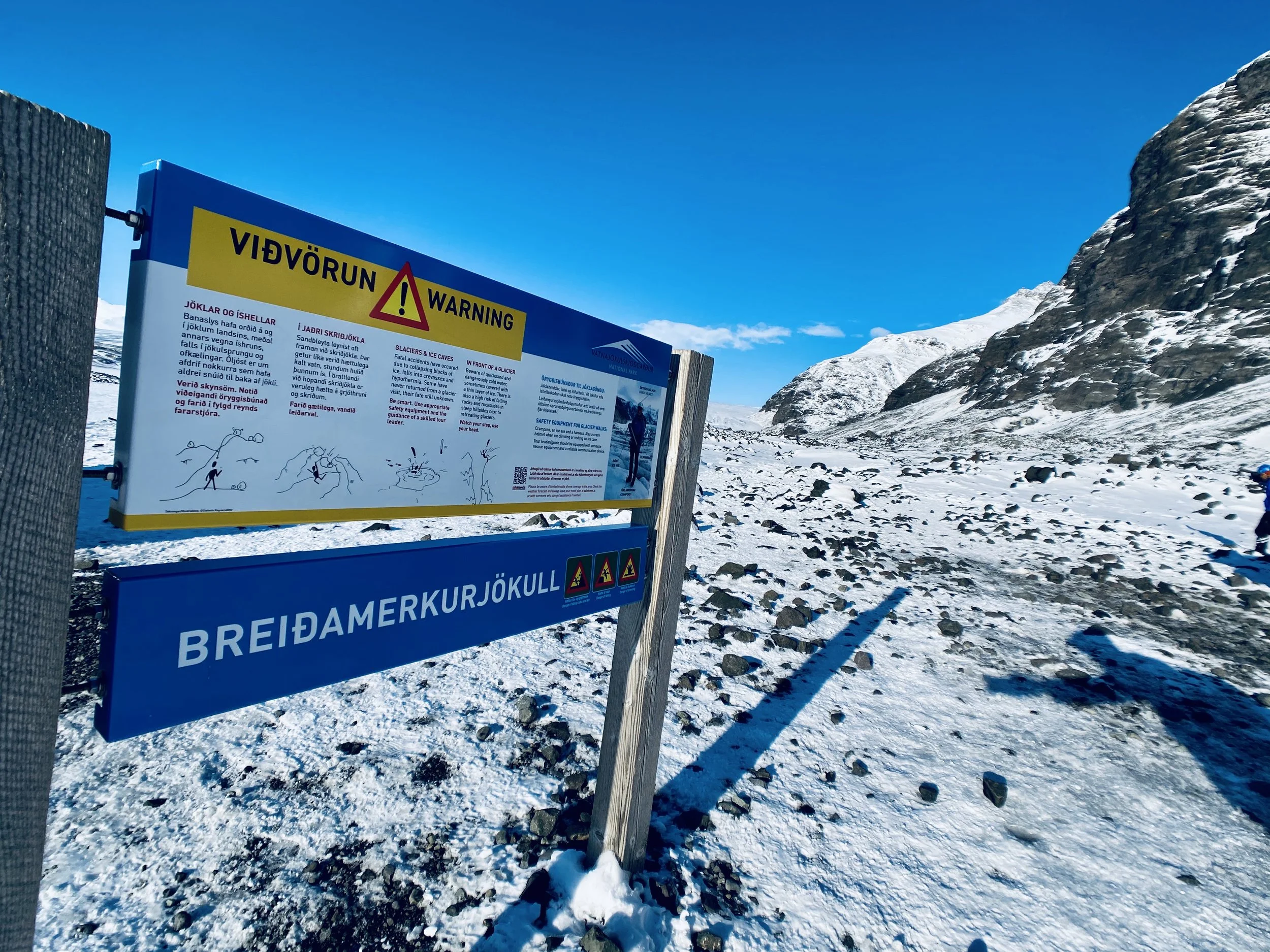
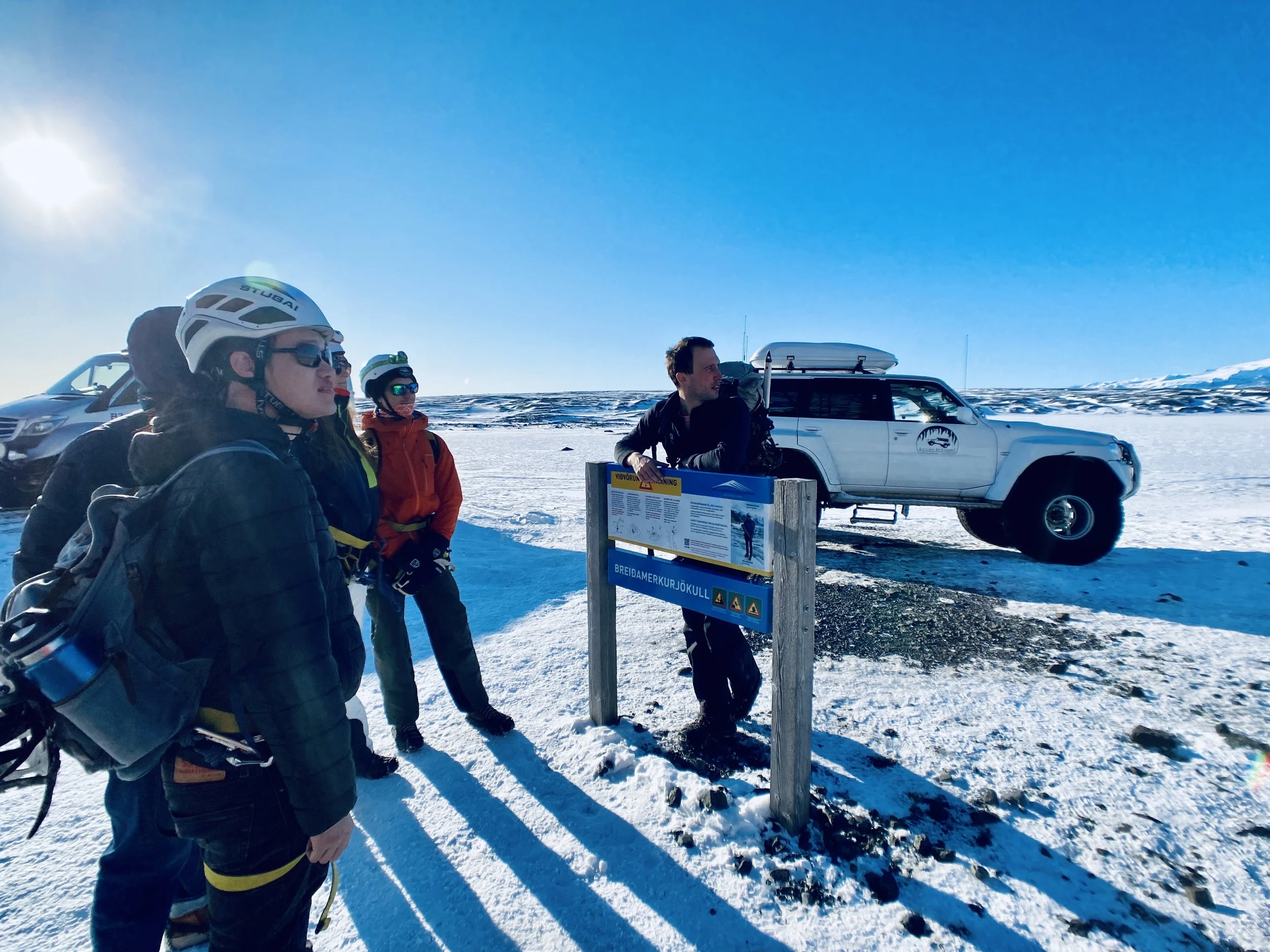
I made it as far east as Vestrahorn, that dramatic mountain rising near the sea, and spent time around Jökulsárlón Glacier Lagoon, Diamond Beach, Breiðamerkurjökull, Mýrdalsjökull, and other glacier landscapes along the route.
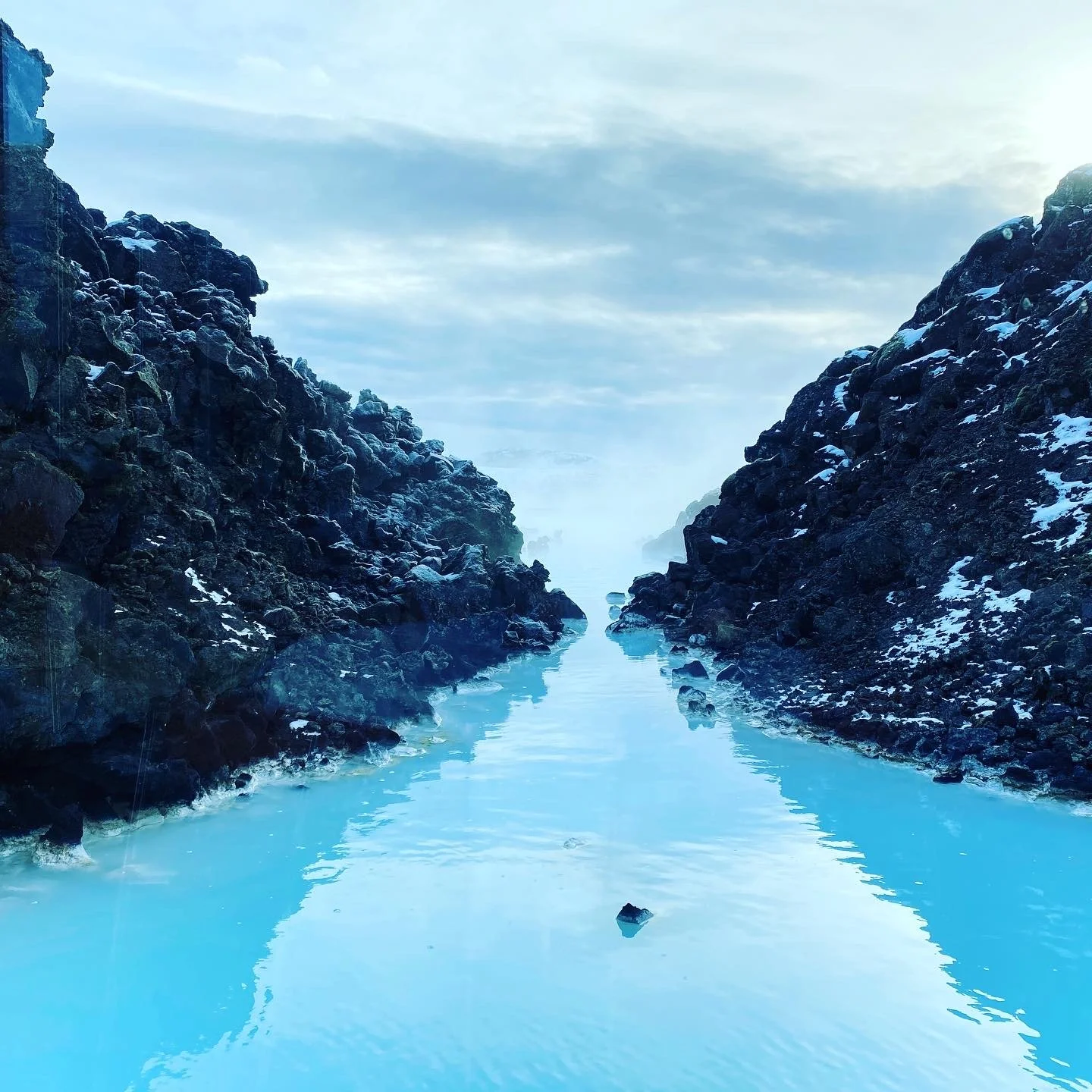
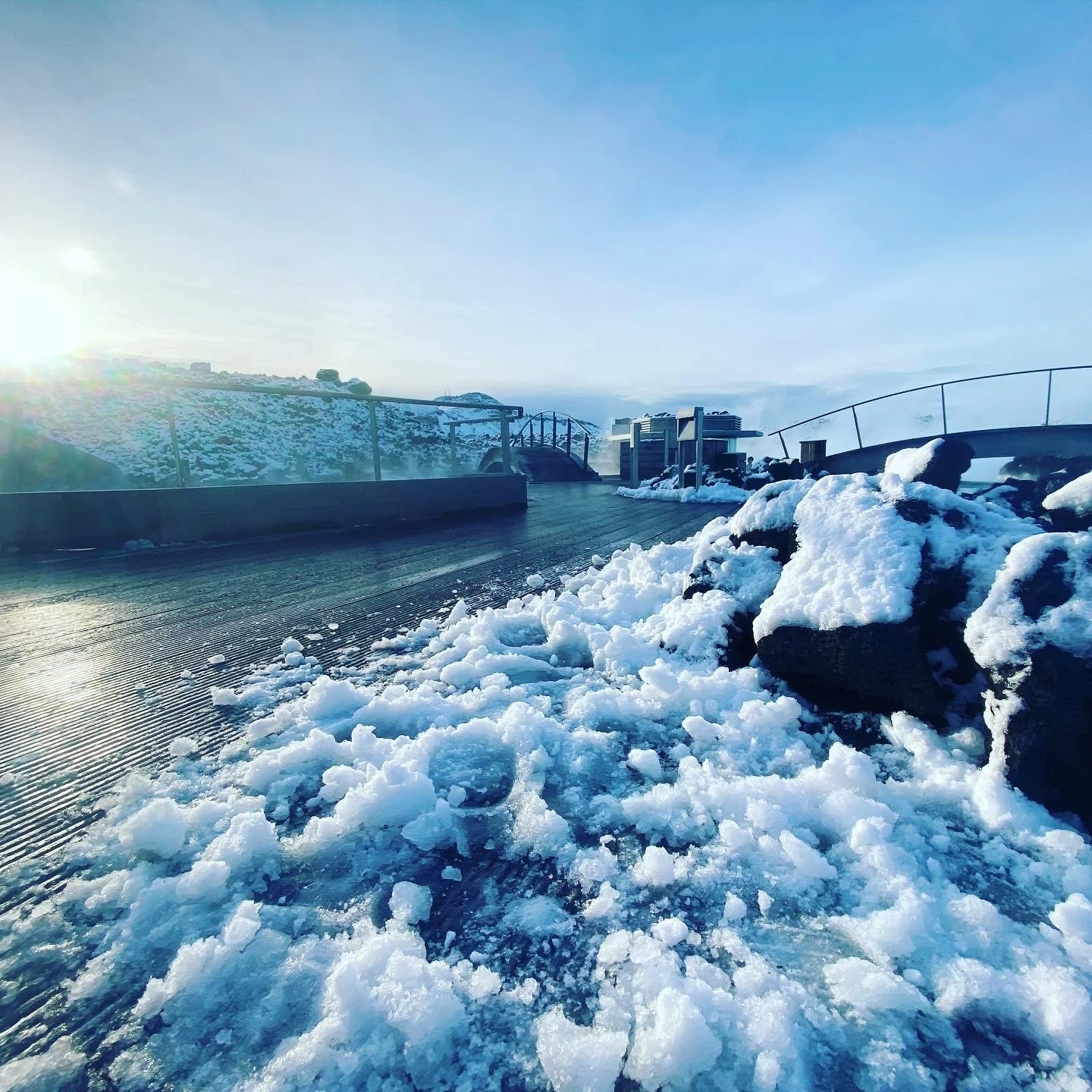
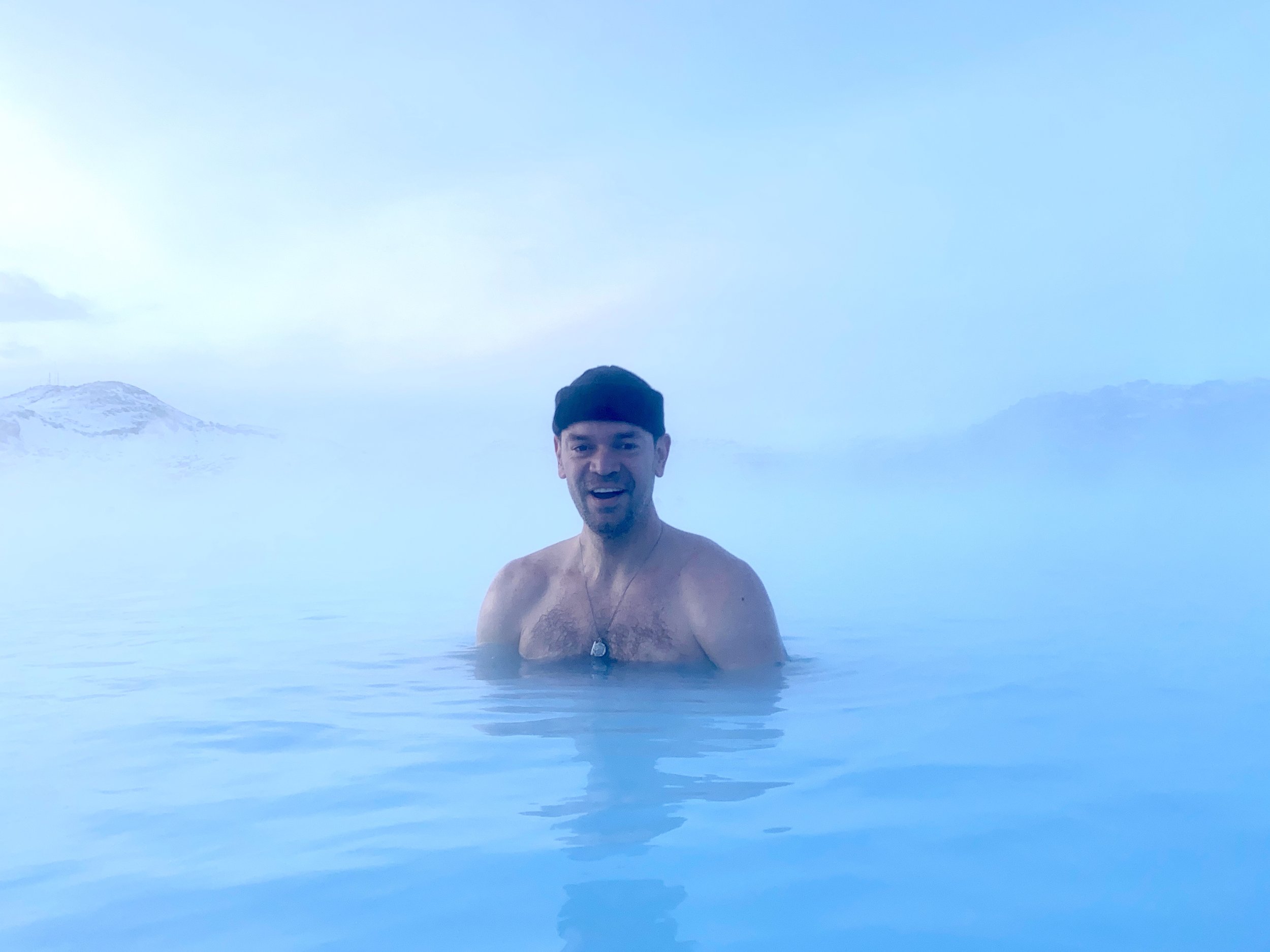
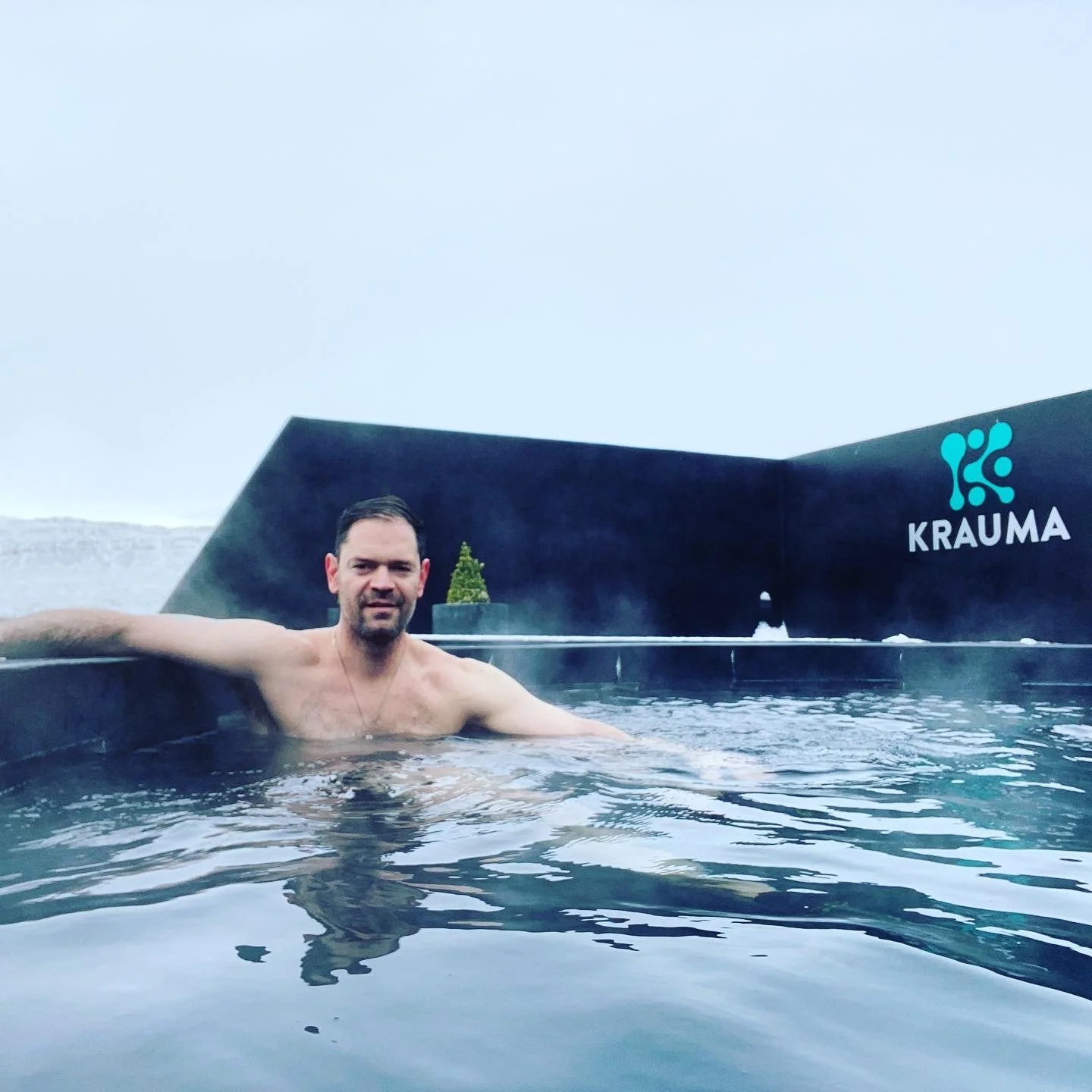
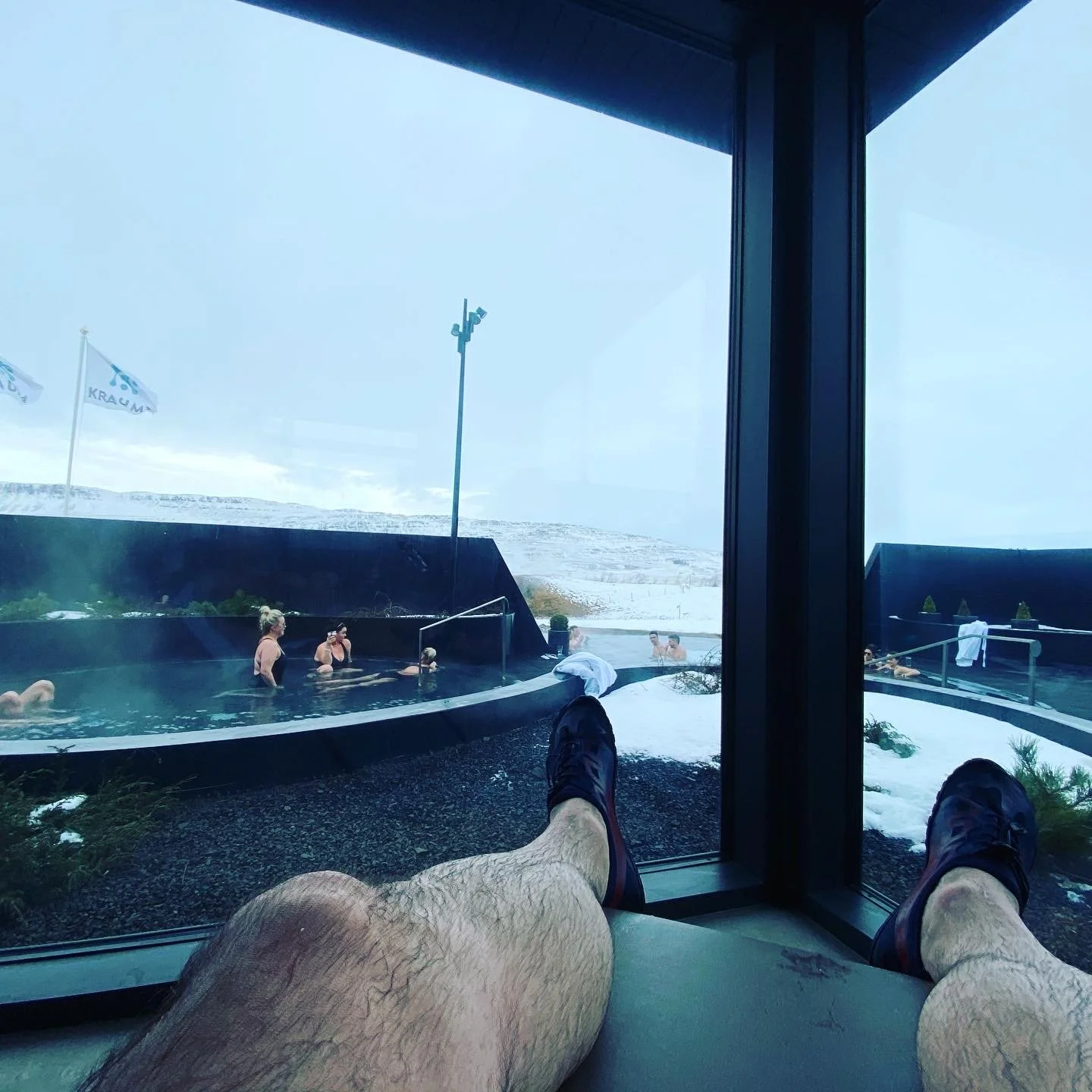
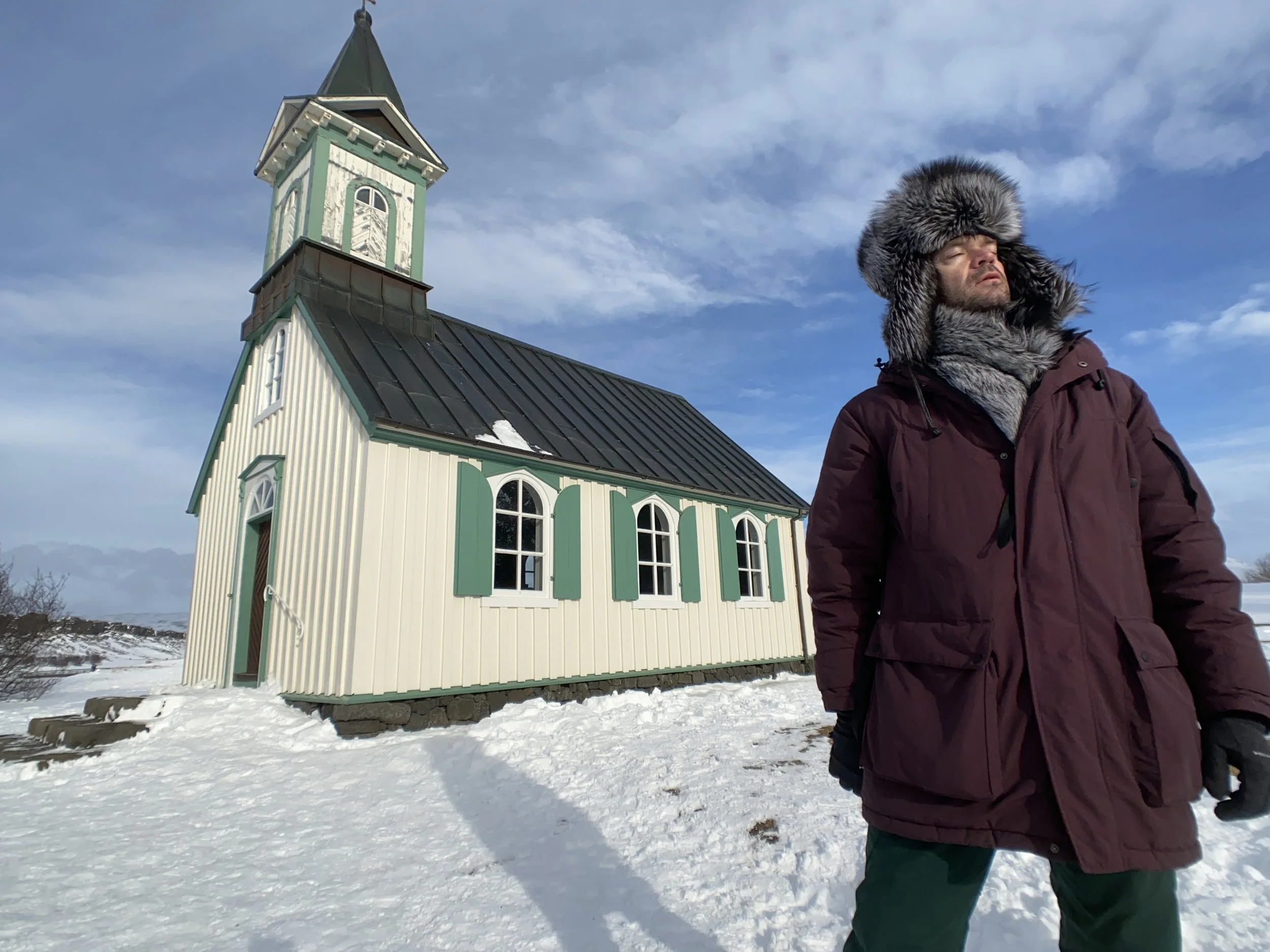
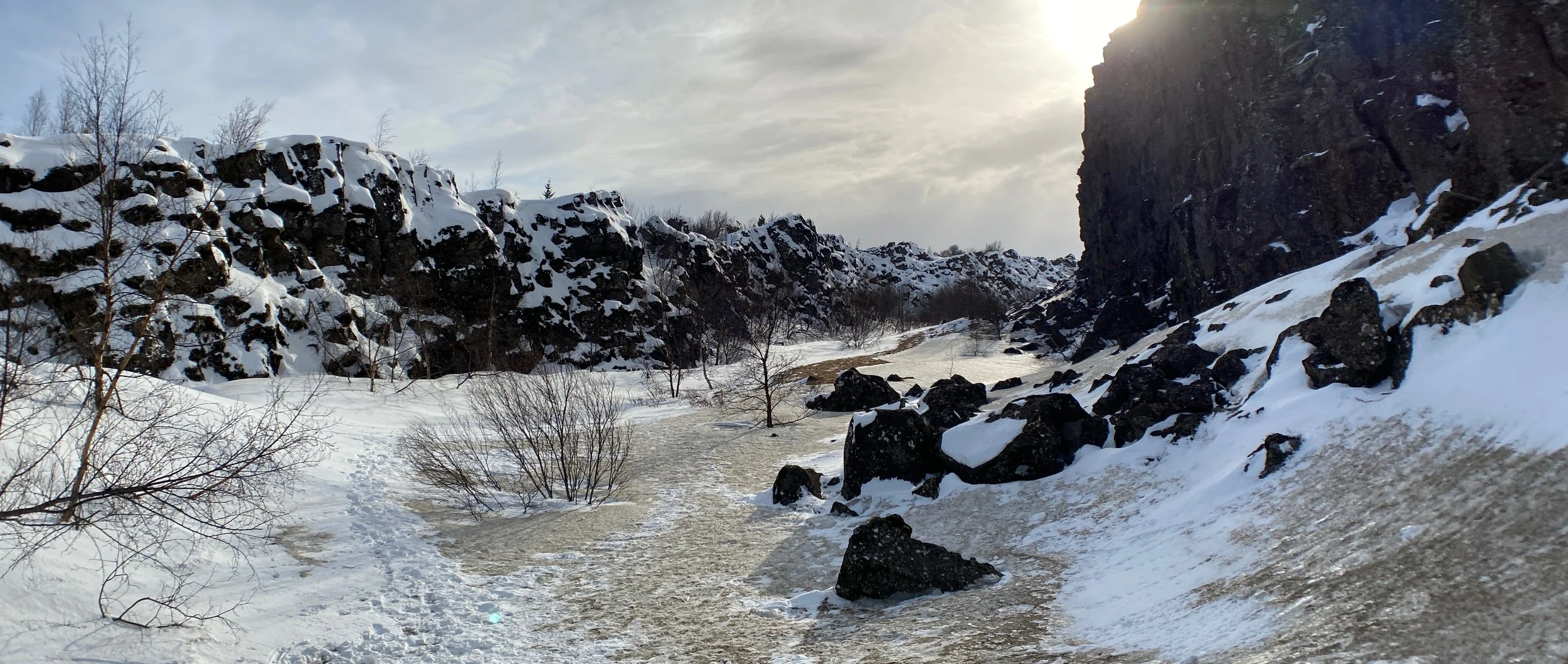
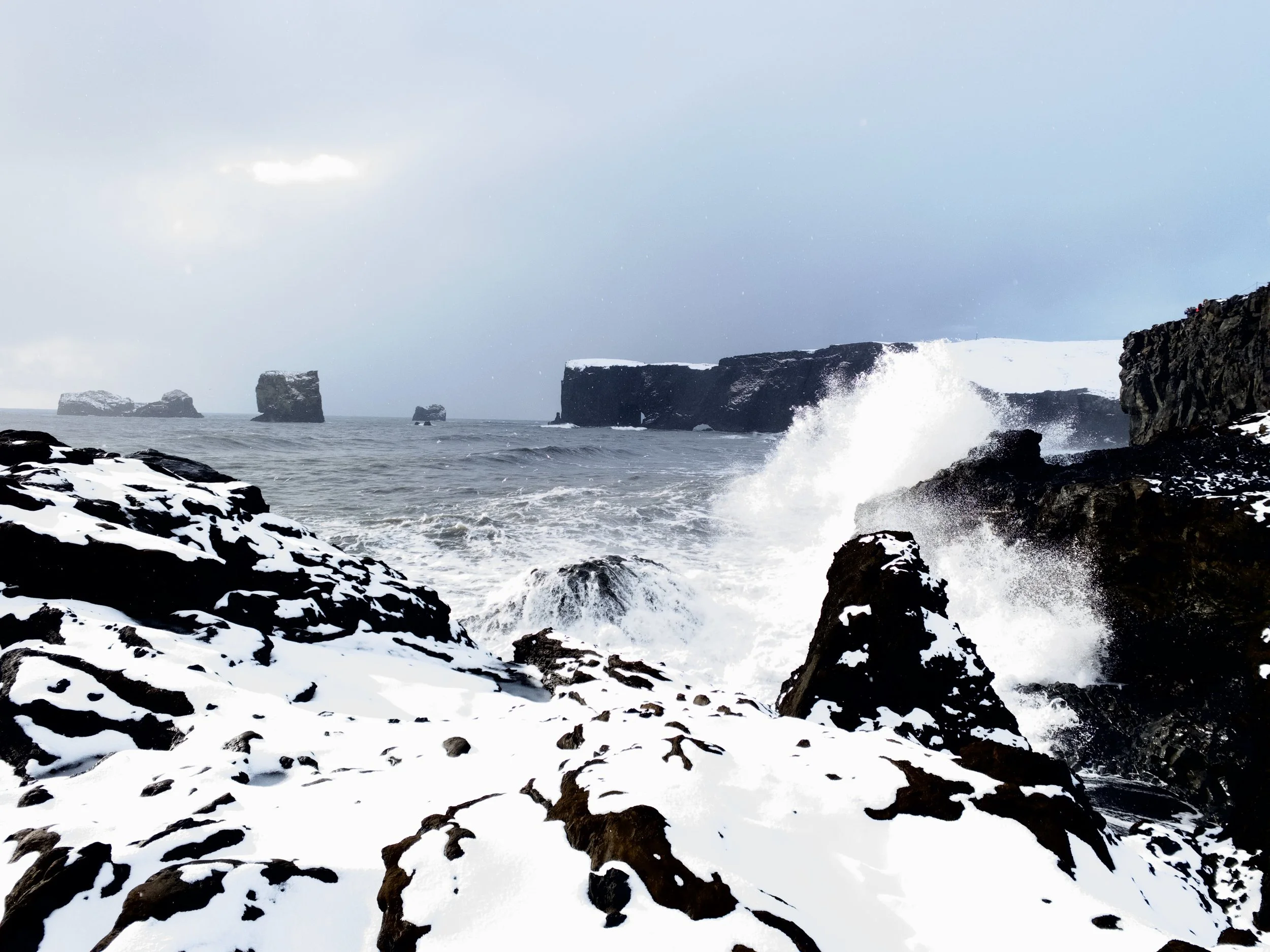
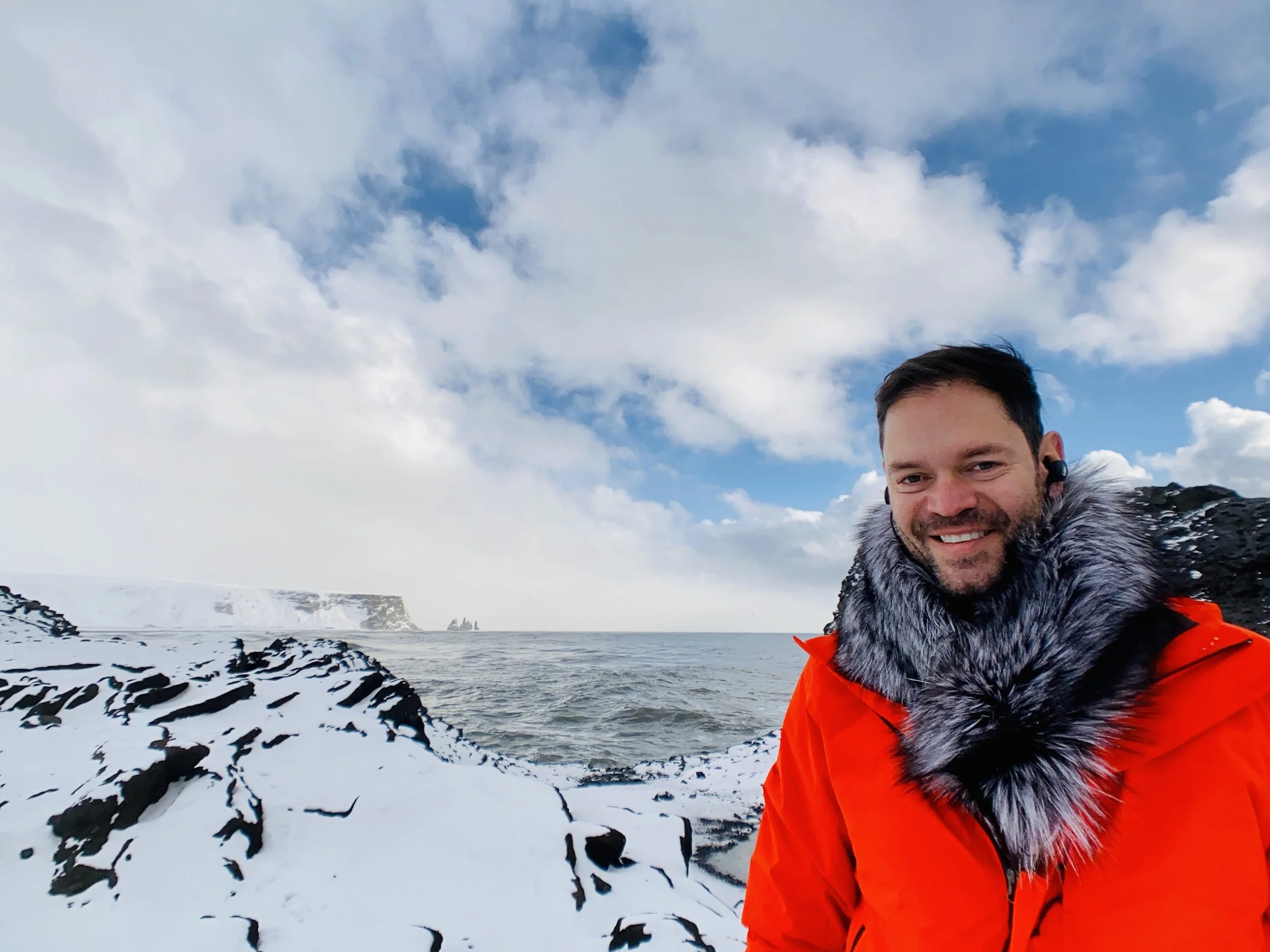
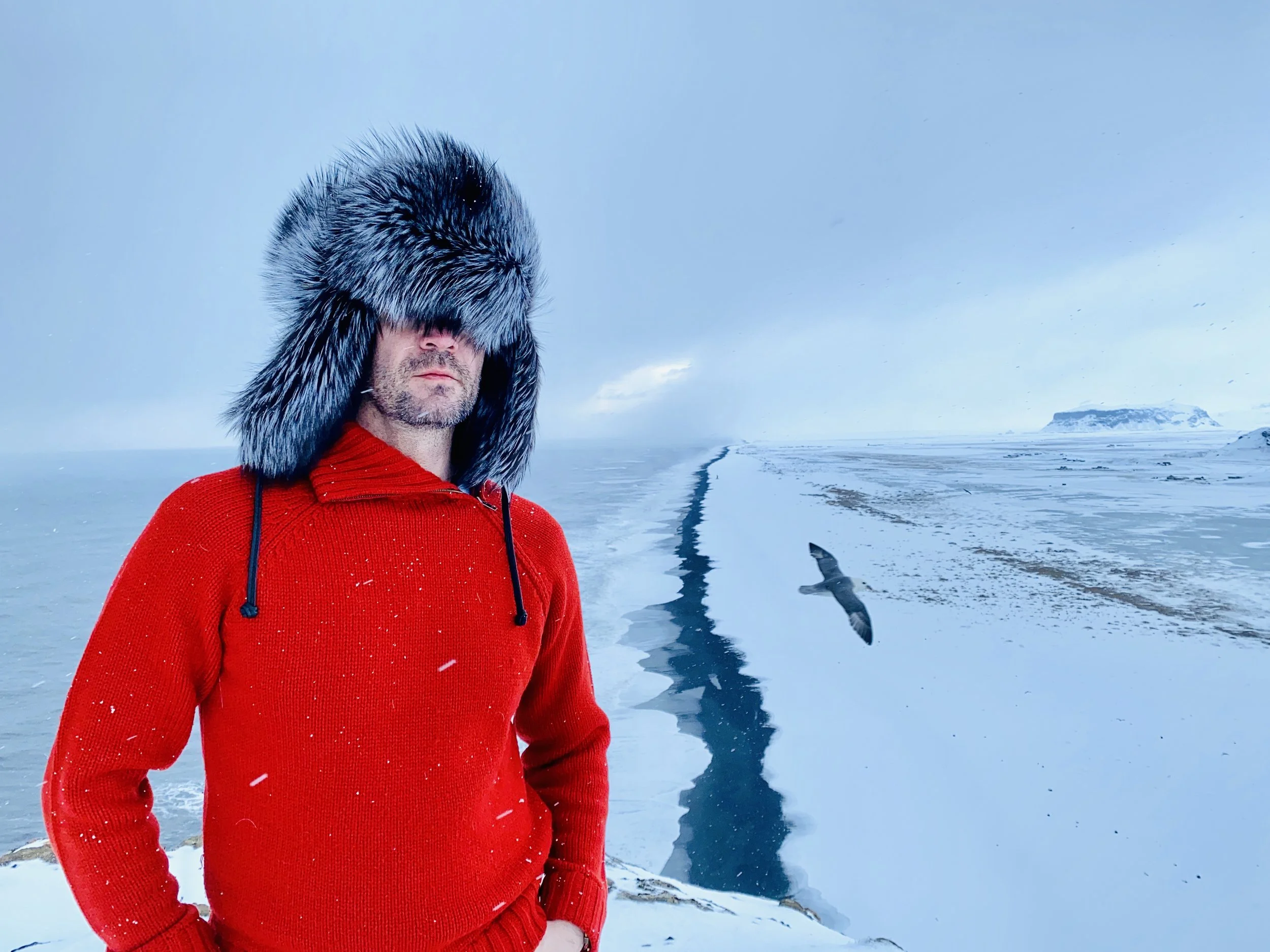
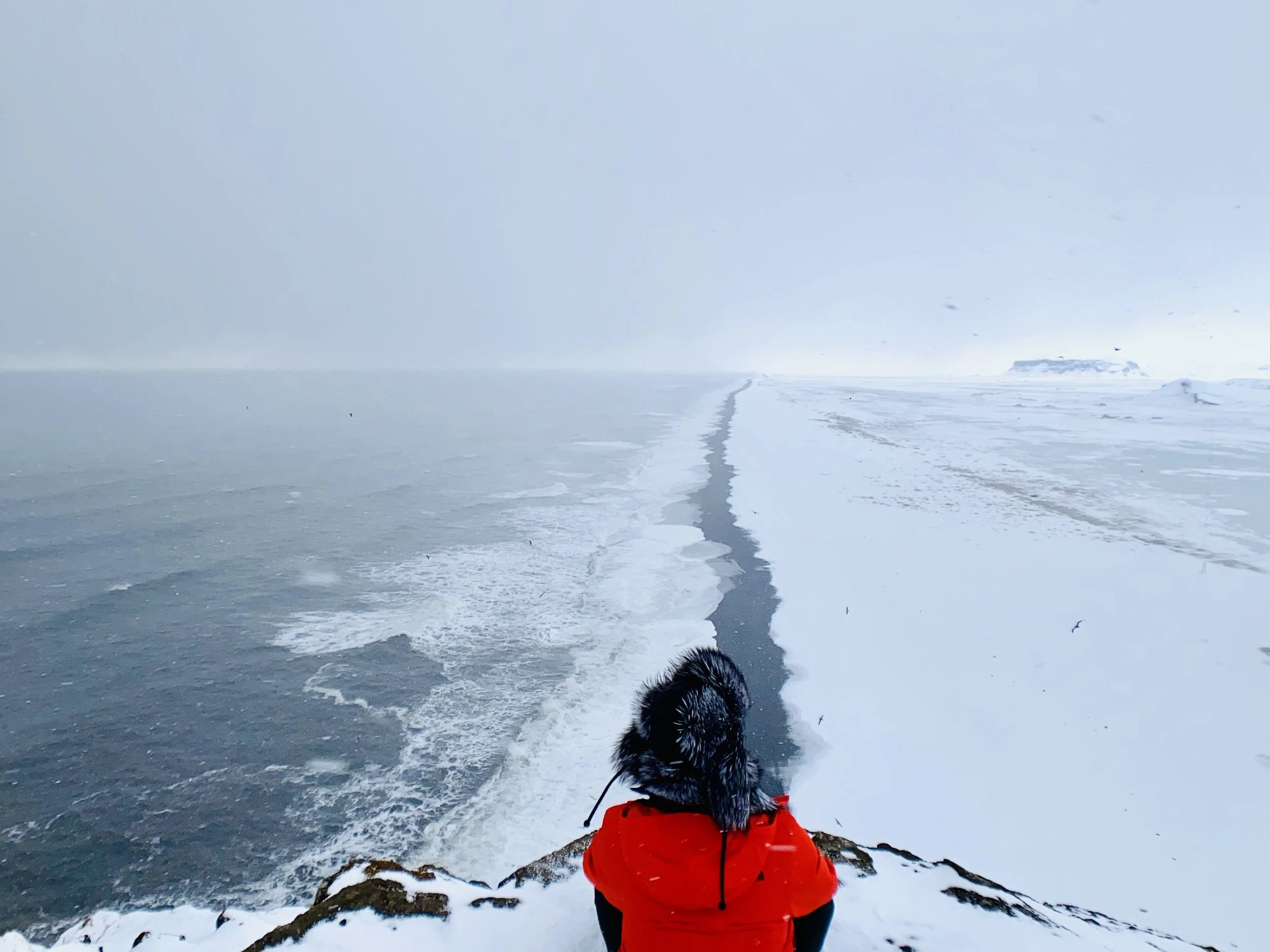
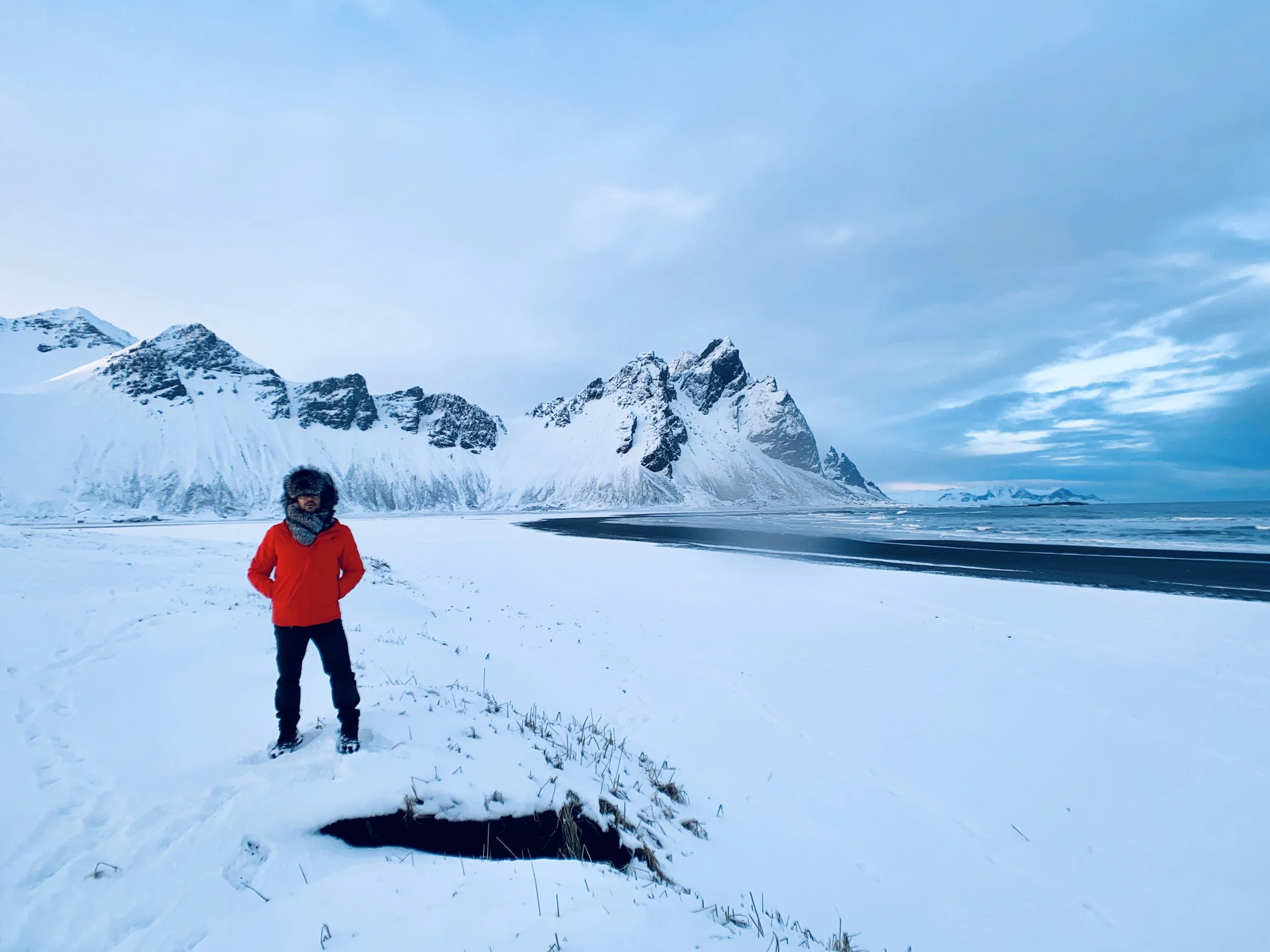
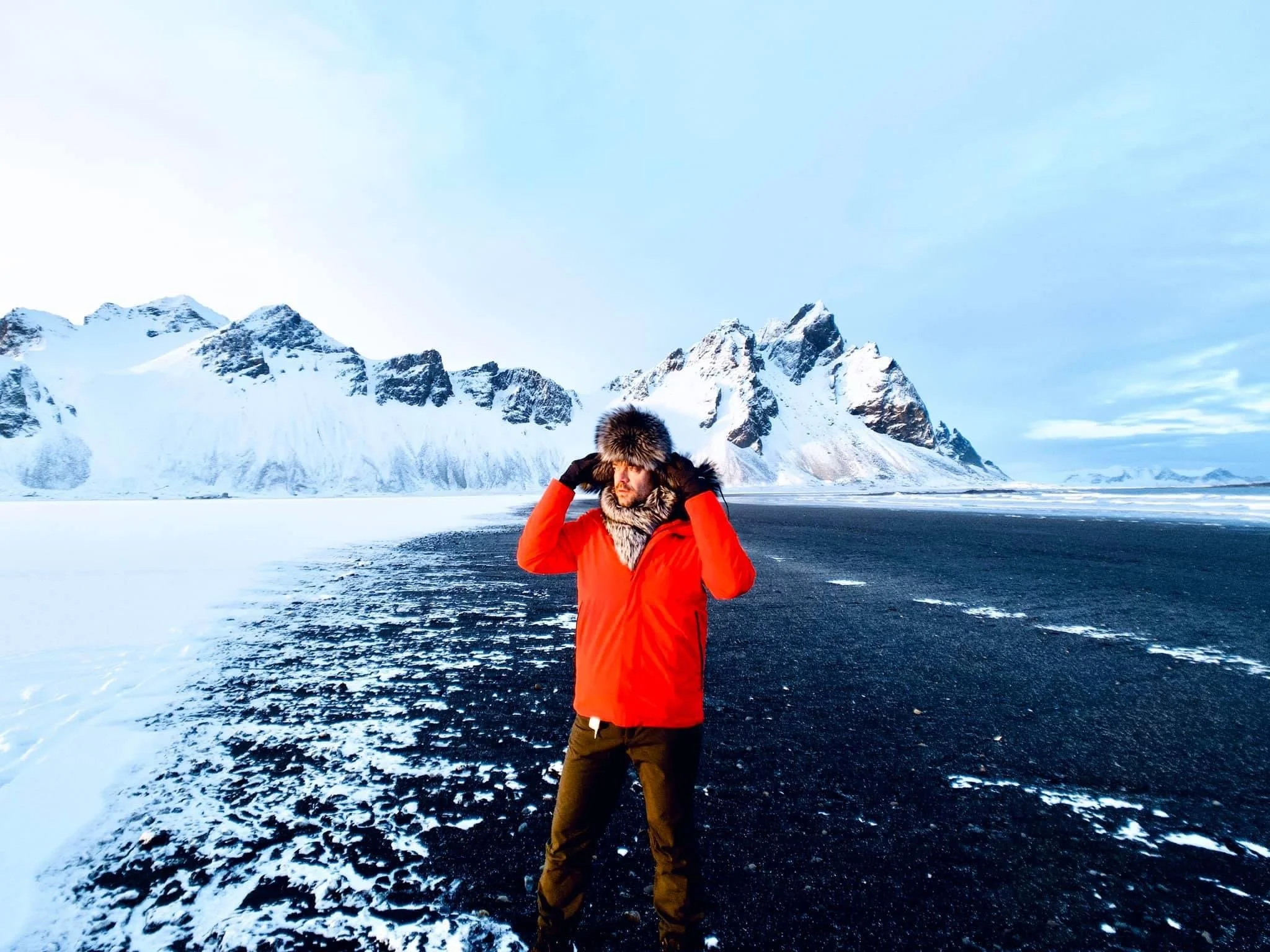
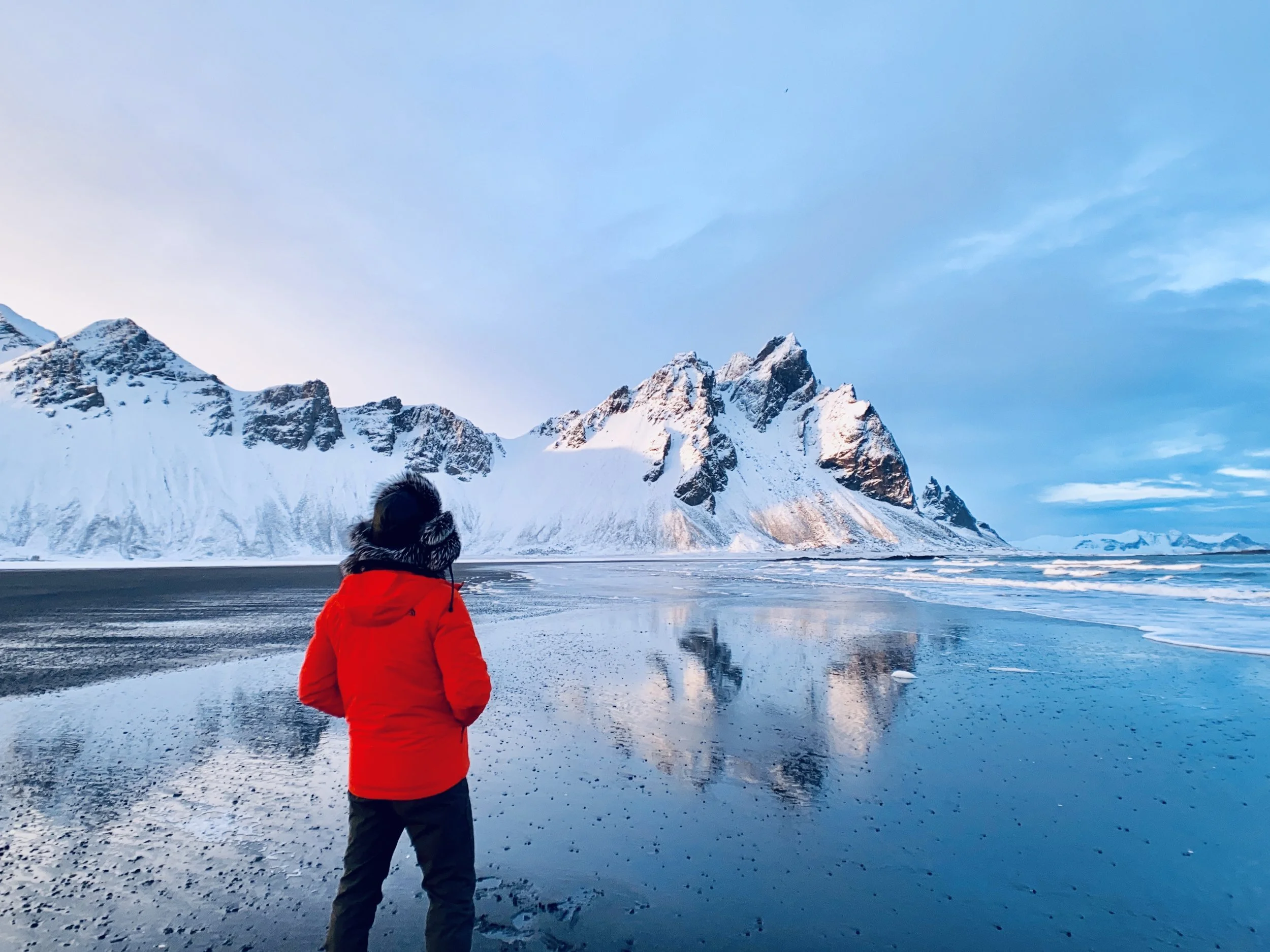
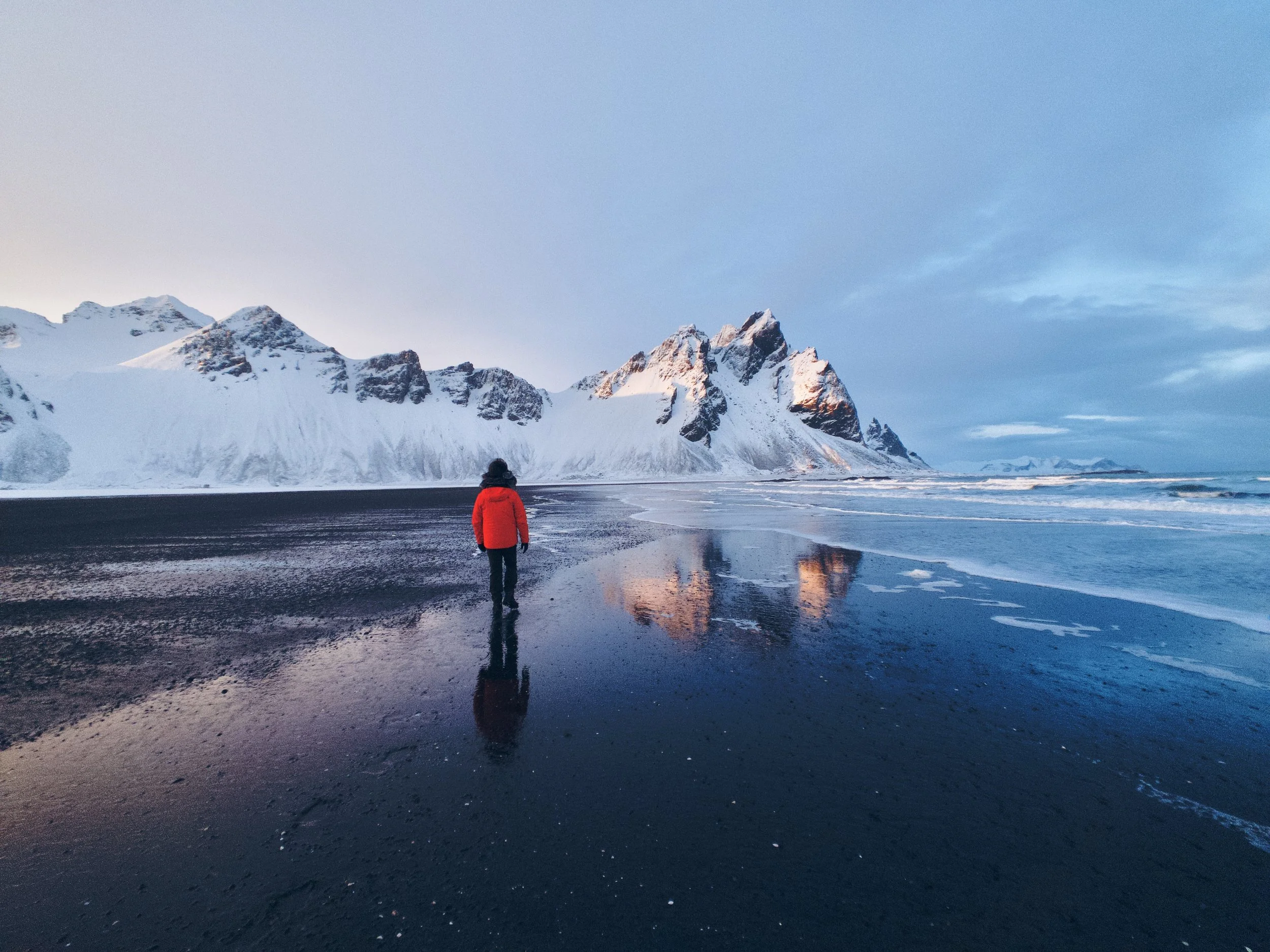
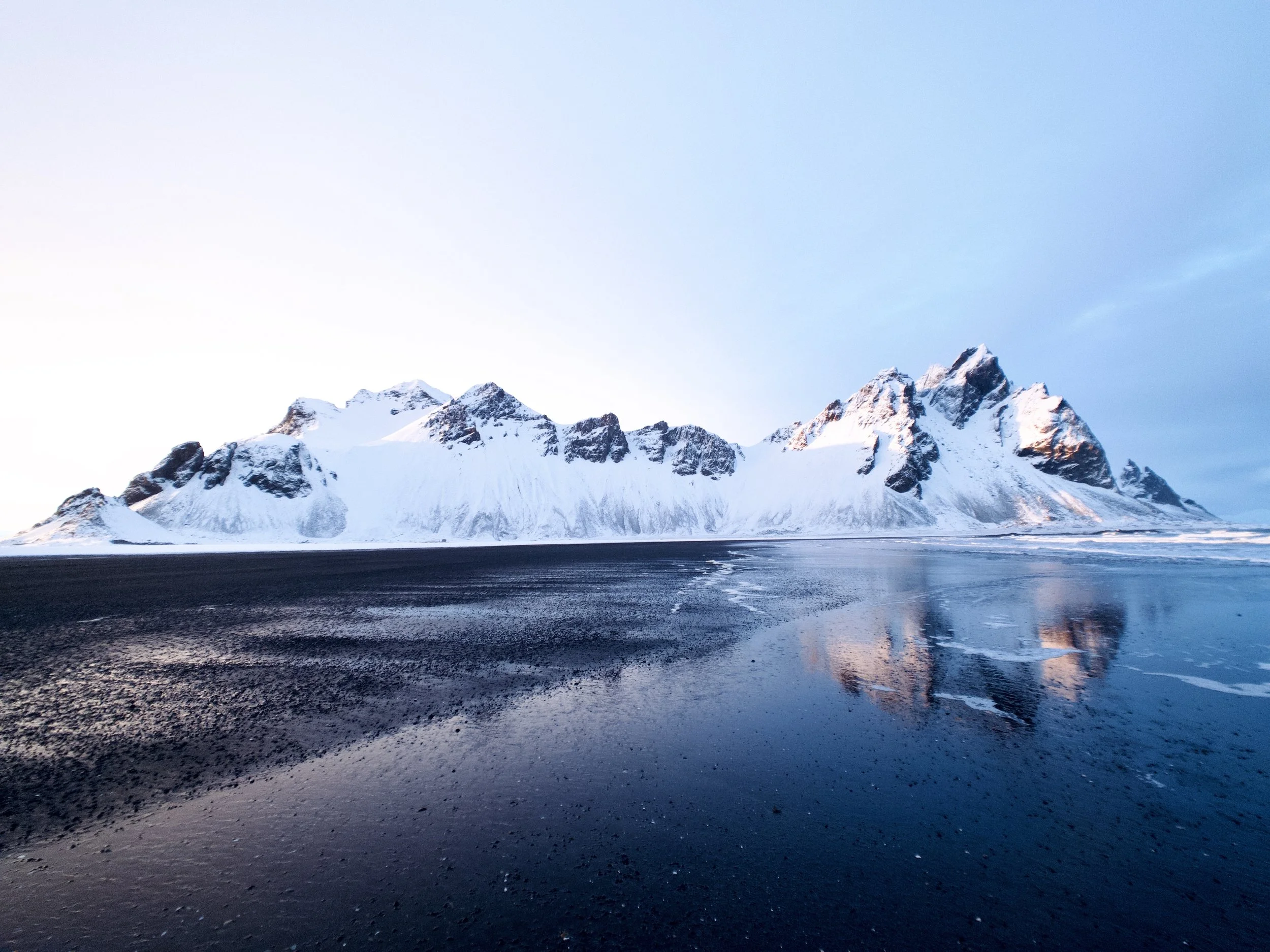
There was a rawness to the trip that I still remember clearly. My trusty red jacket against the bitter cold. The black sand underfoot. The blue light in the ice. The wind. The feeling of being somewhere beautiful, harsh, and completely uninterested in human convenience.
That kind of landscape changes your pace. It makes you pay attention.
What Ice Taught Me
What struck me most was that glaciers are not just blocks of ice. They are records of time.
Up close, I could see bubbles trapped inside the ice, tiny pockets of ancient air held from another era. In some places, the glaciers were blue and luminous. In others, they were darker, layered with sediment and volcanic ash, carrying evidence of eruptions and earth processes that happened long before any of us arrived to witness them.
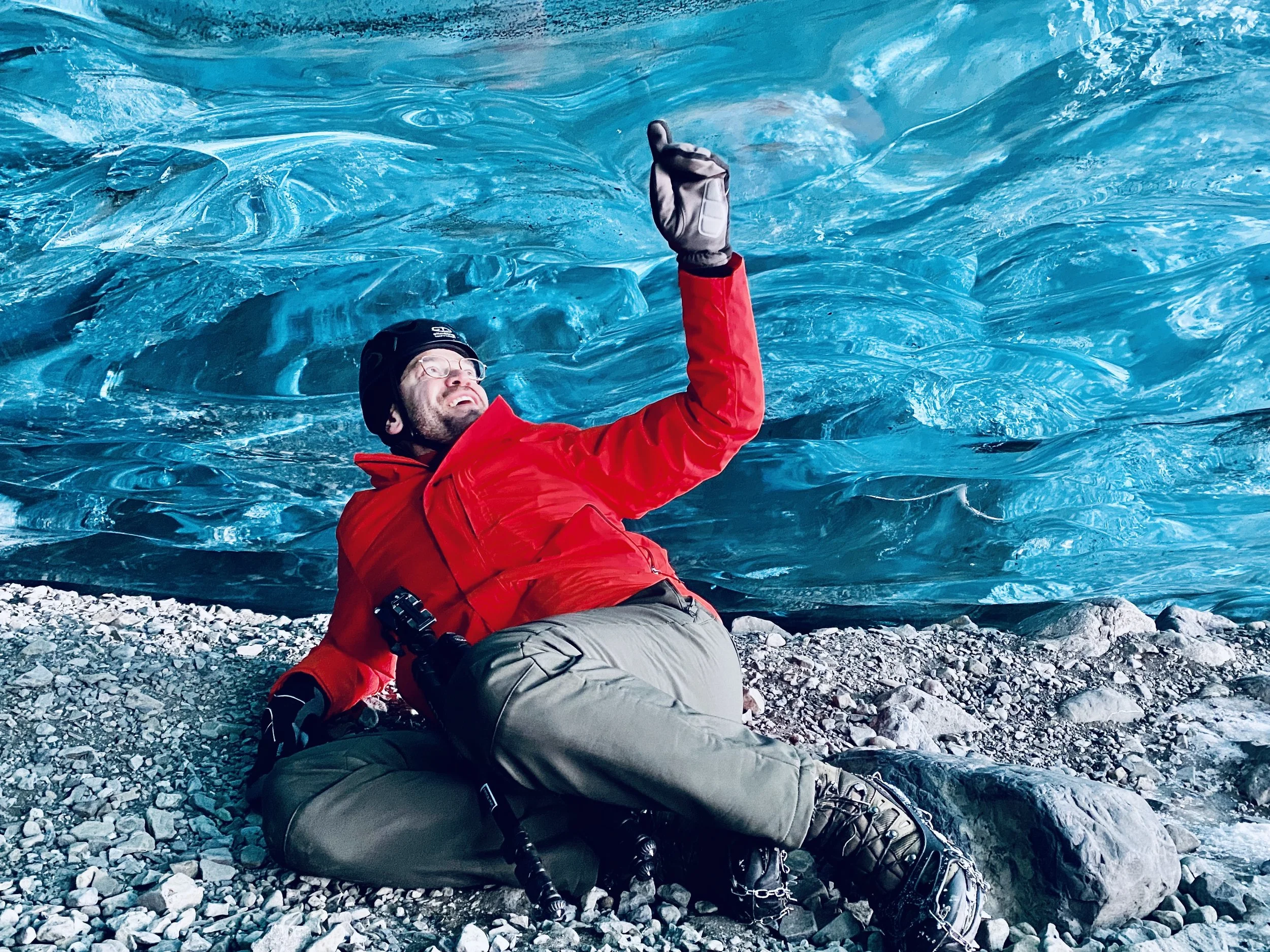
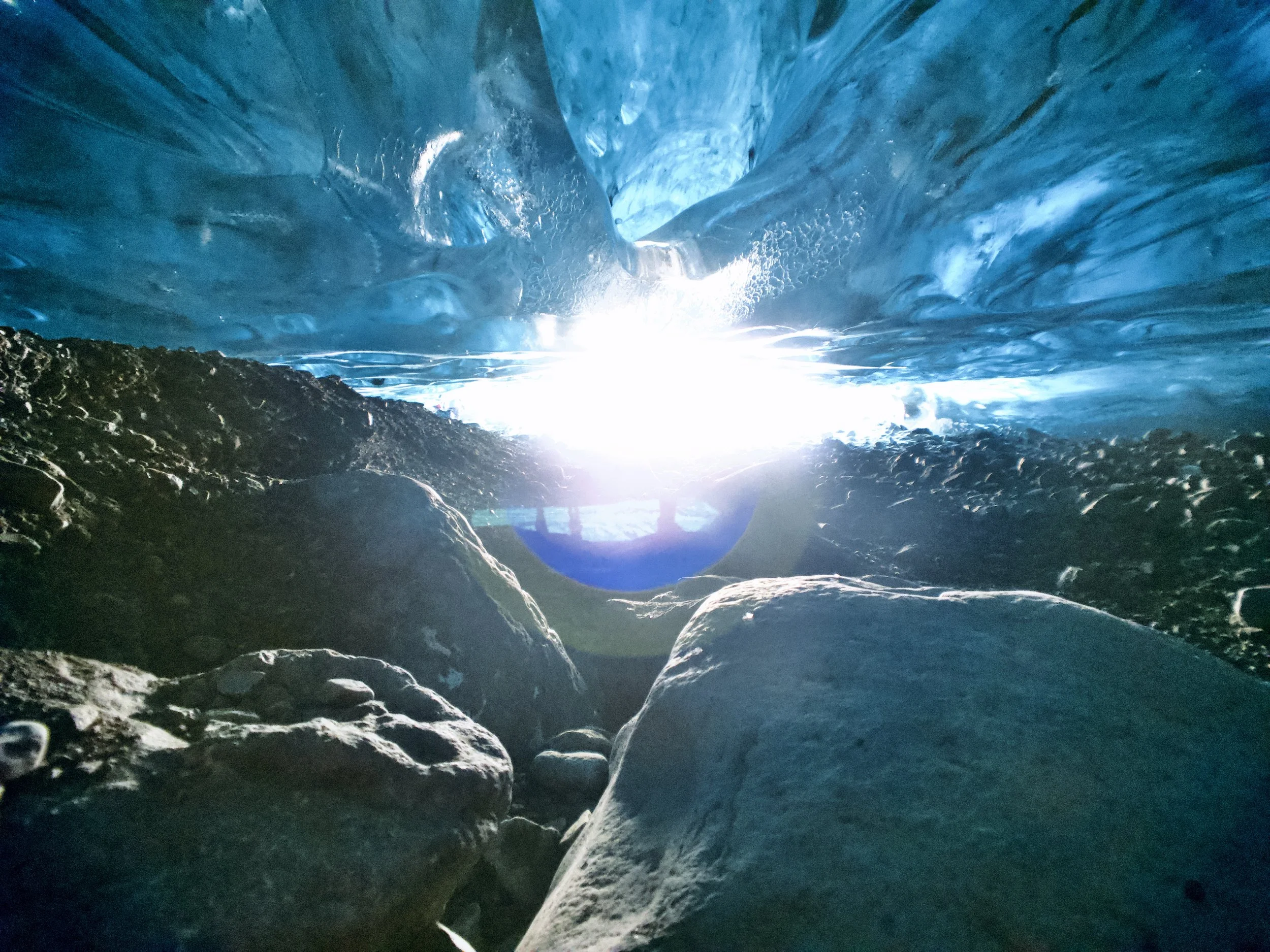
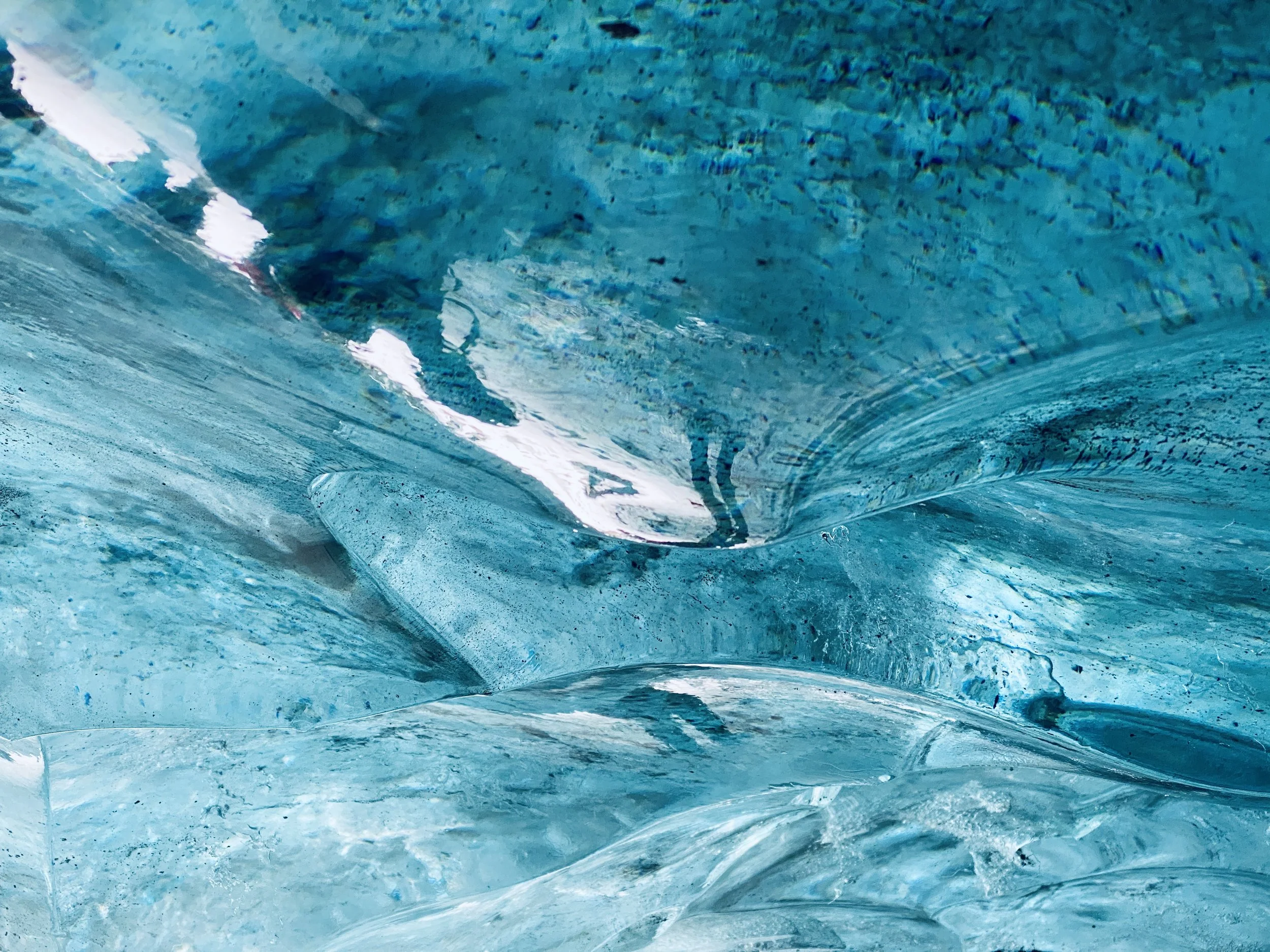
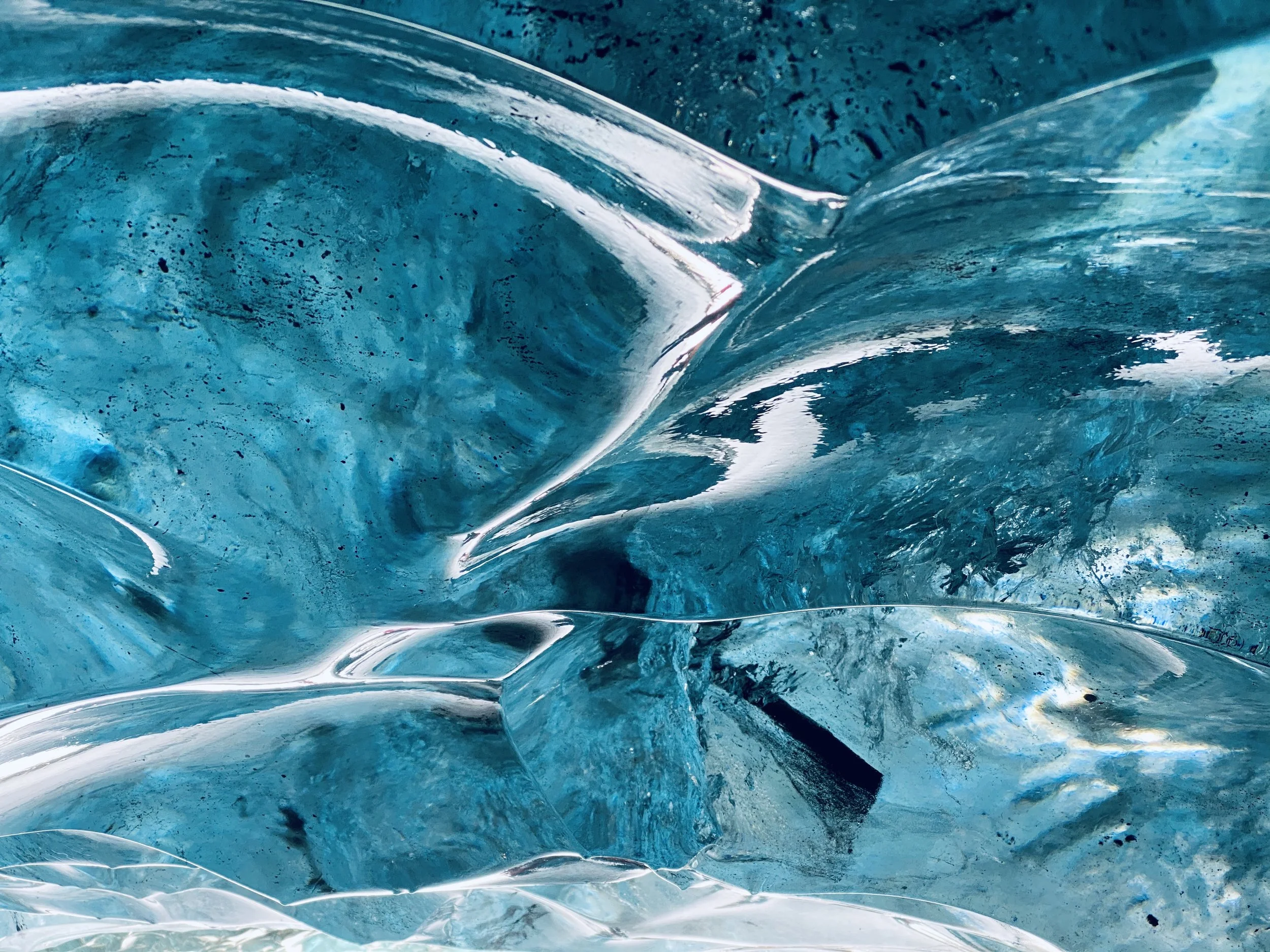
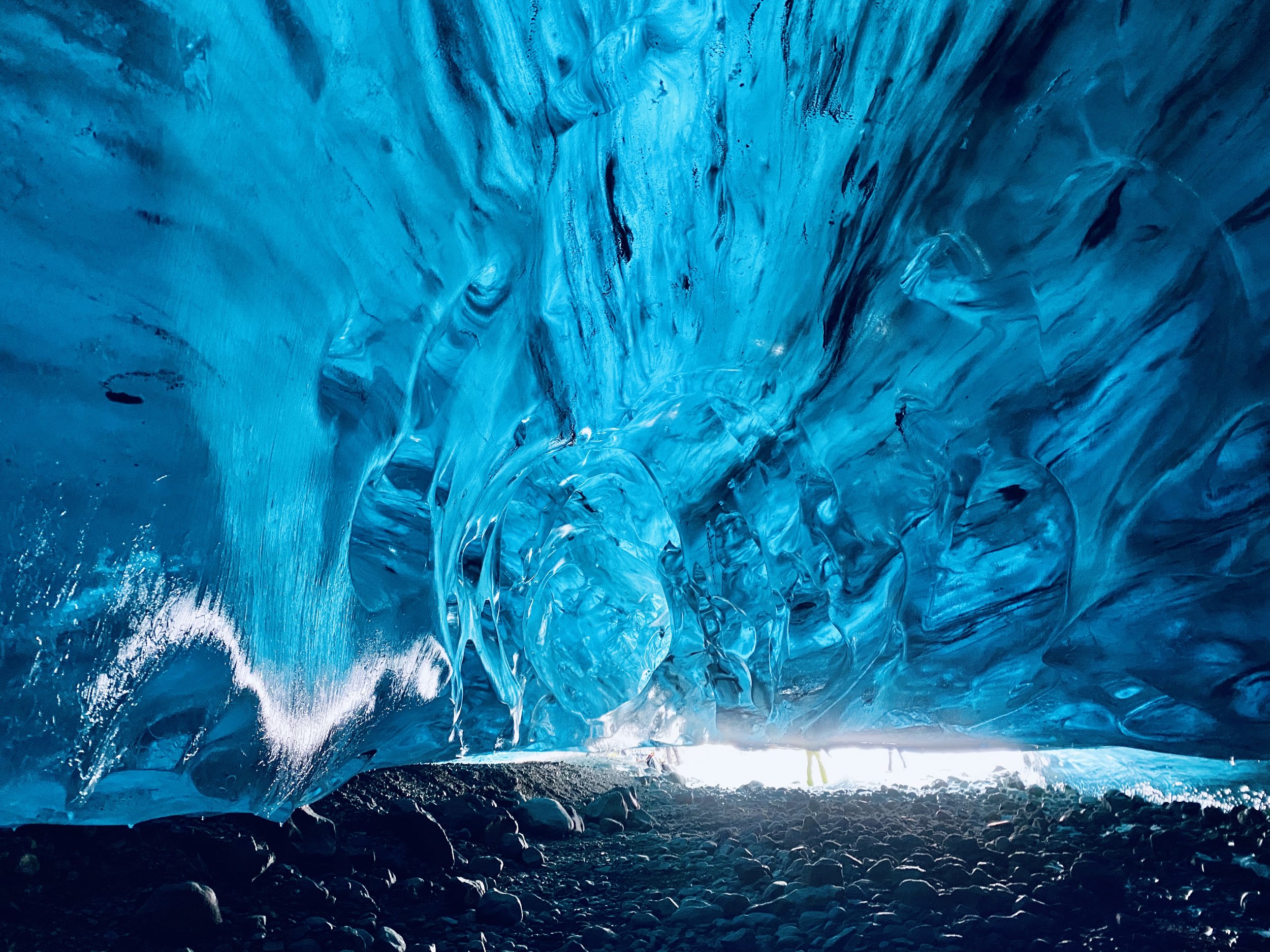
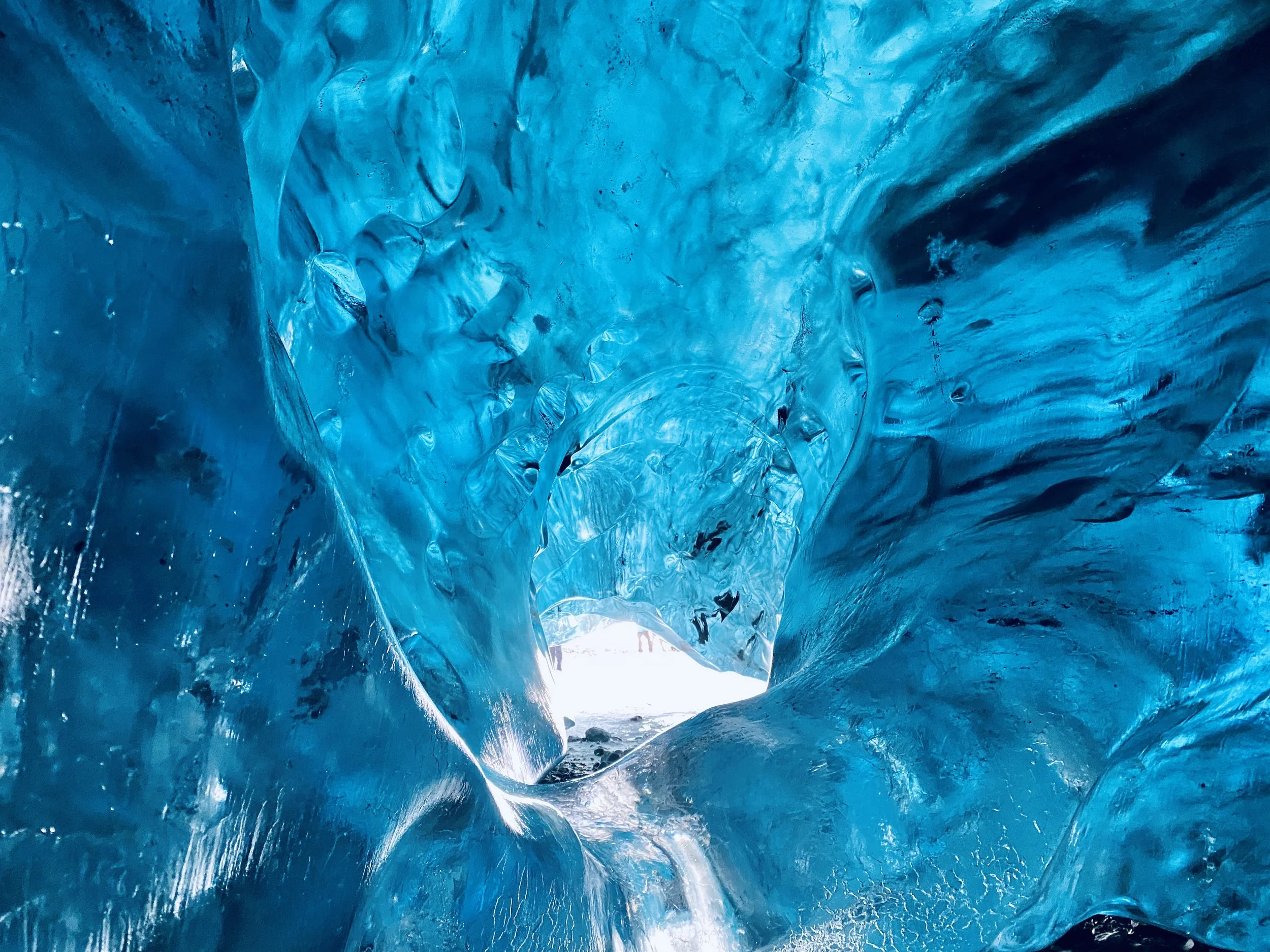
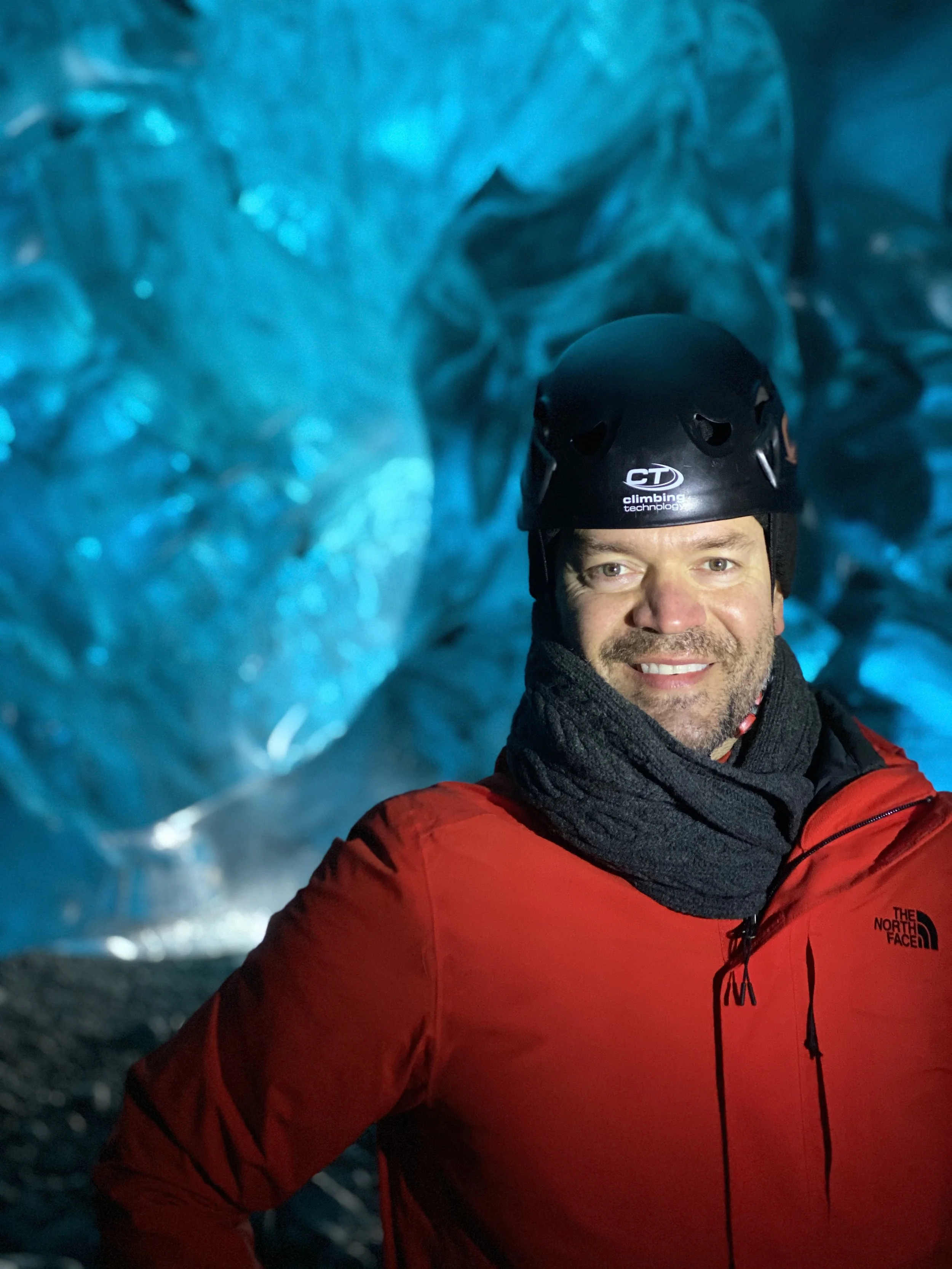
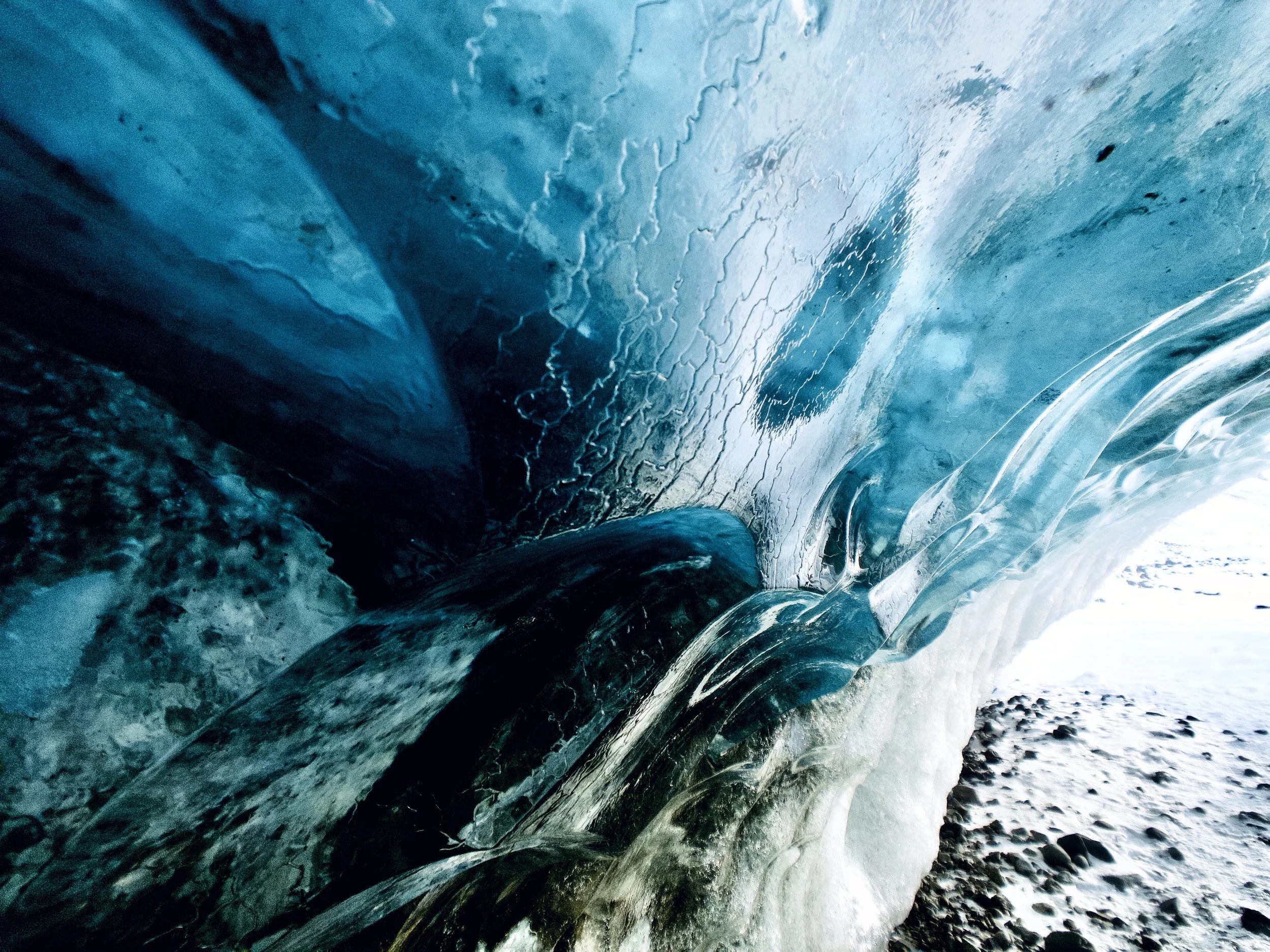
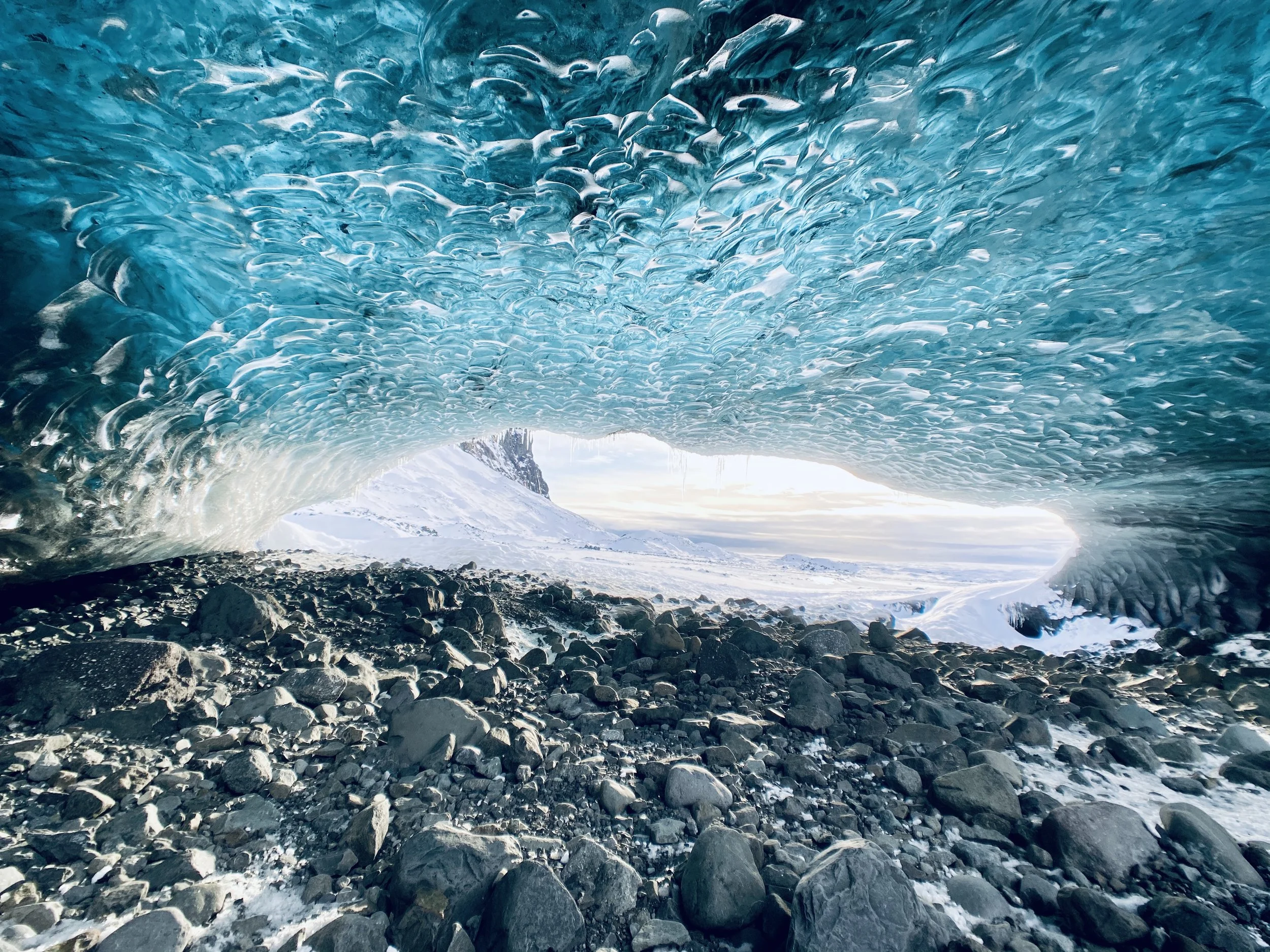
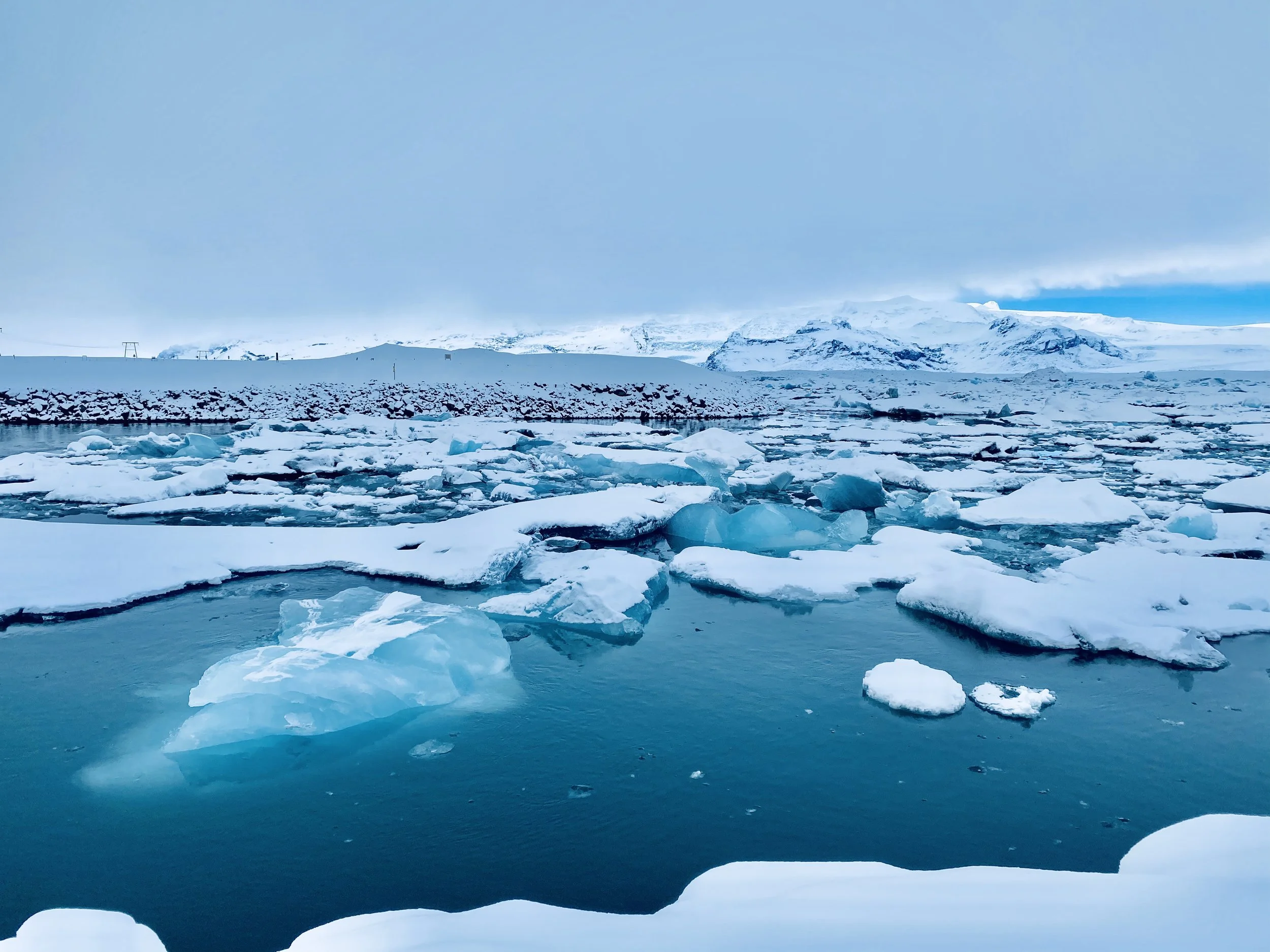
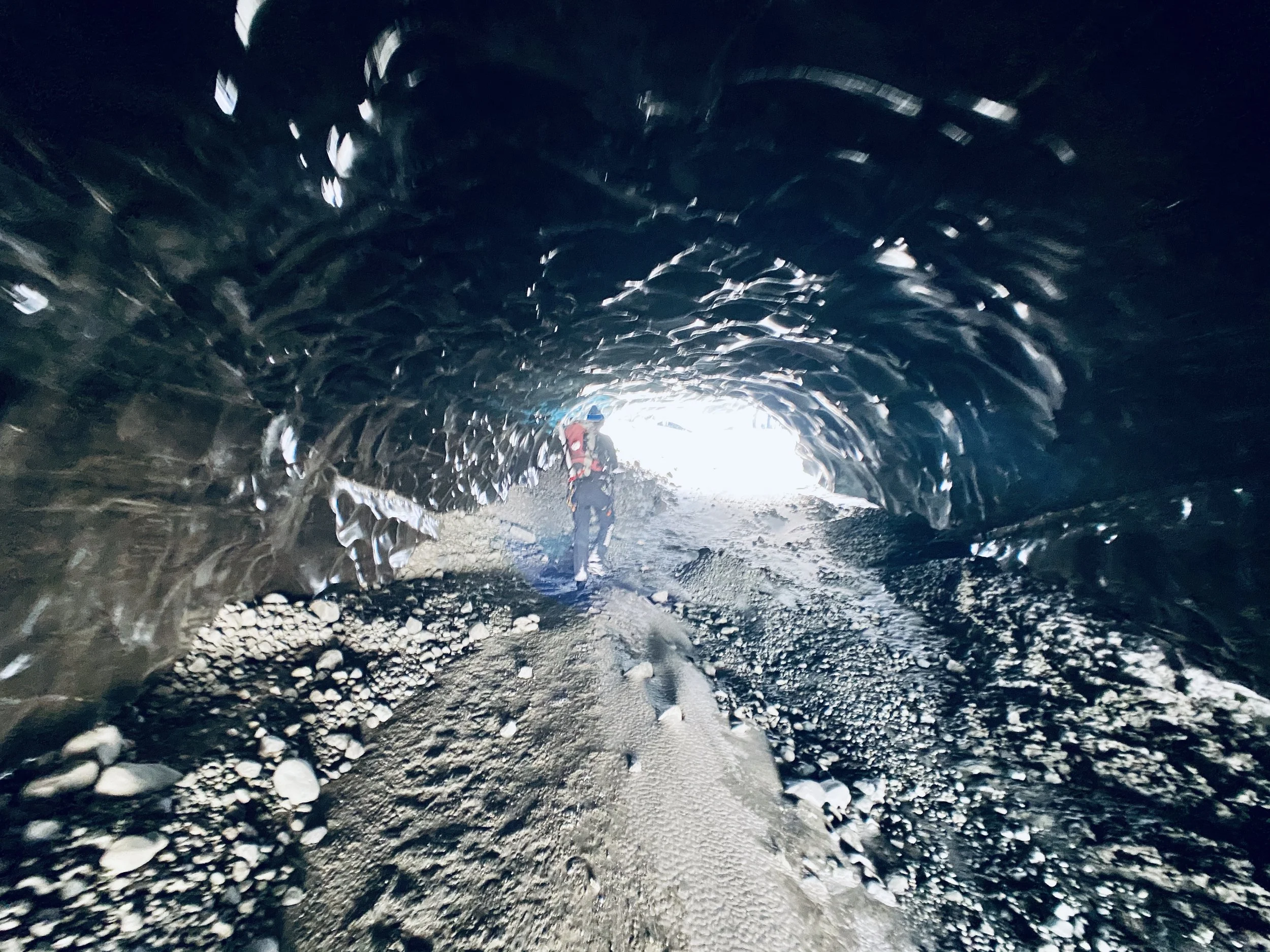
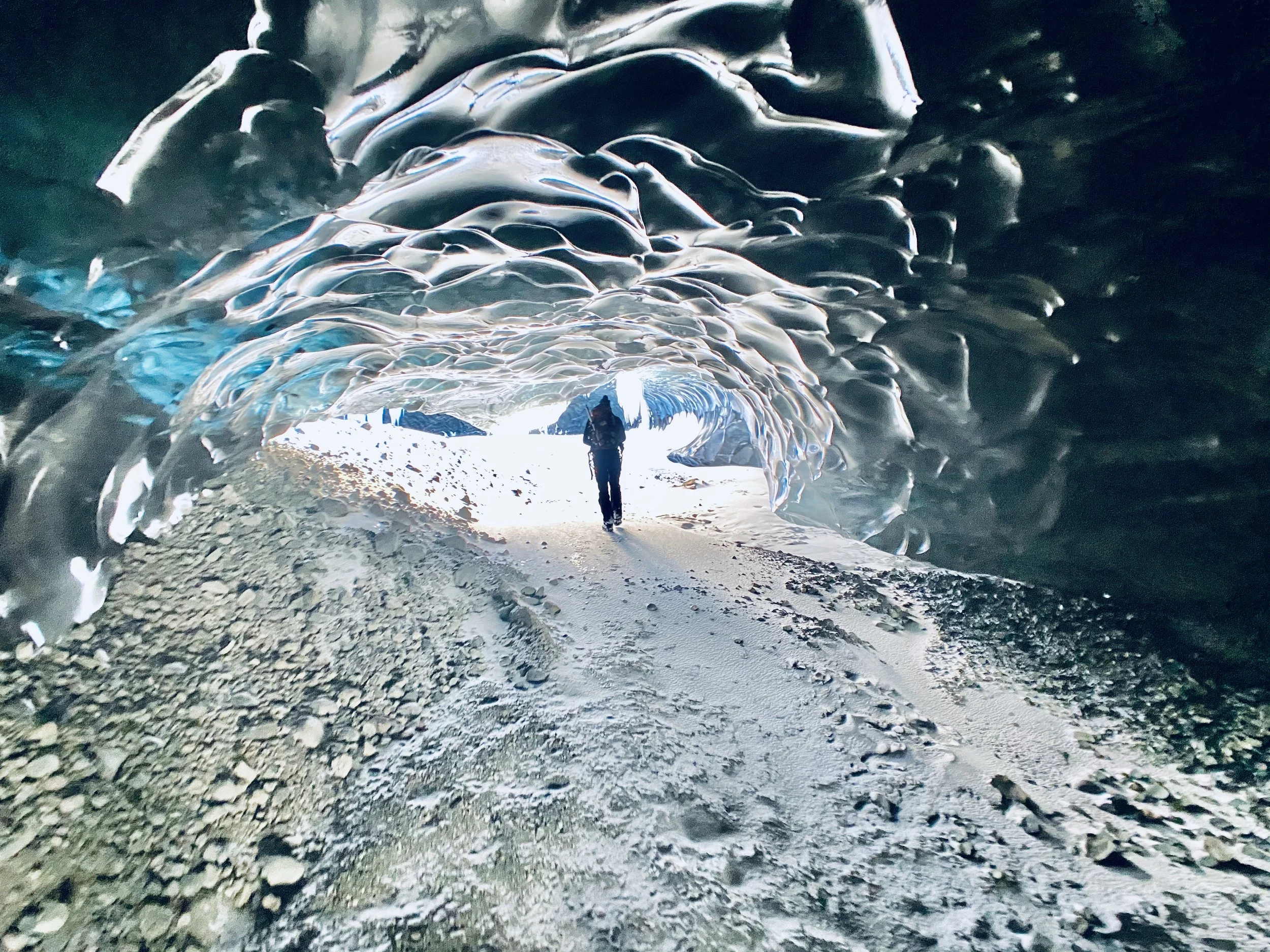
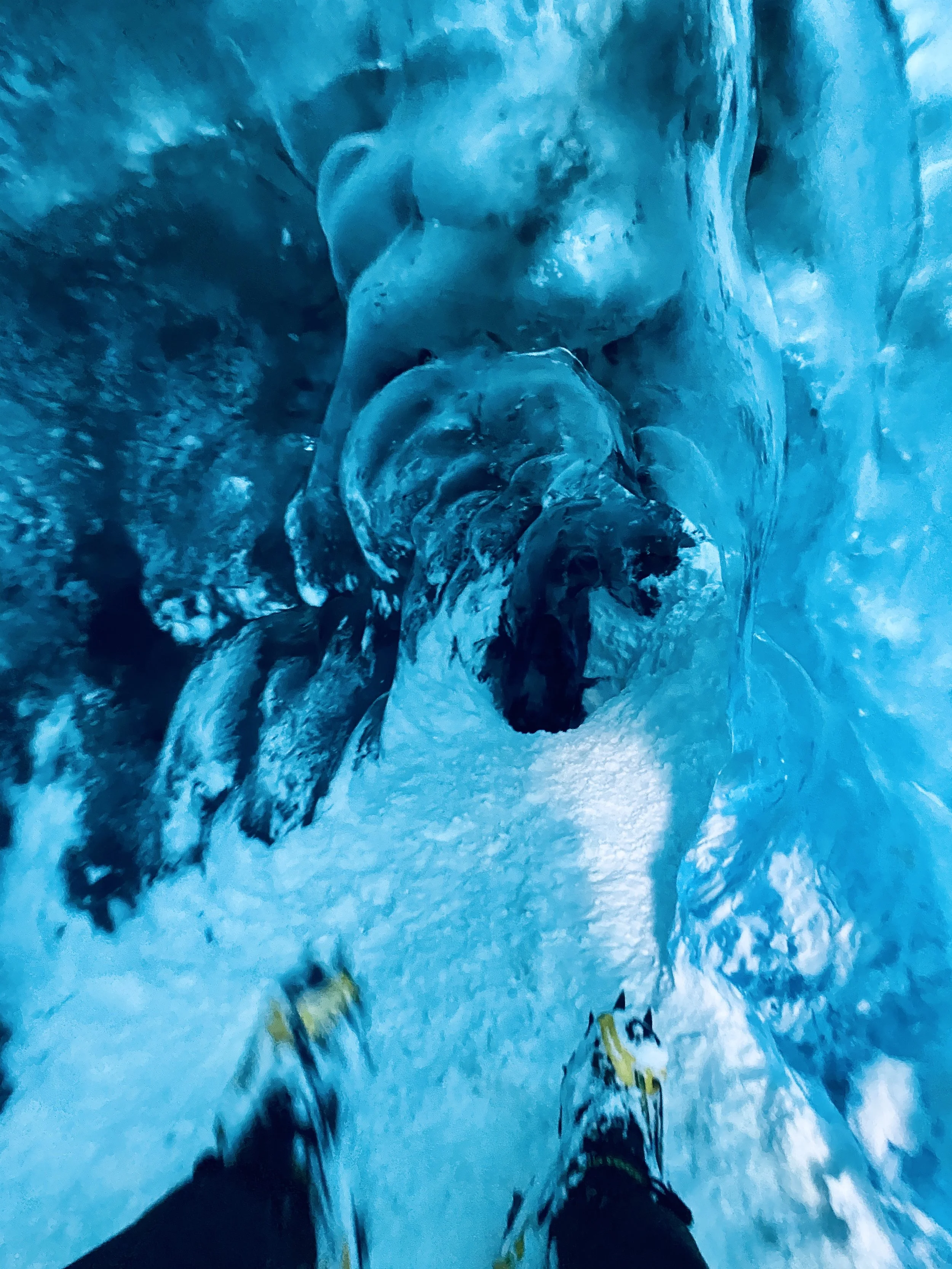
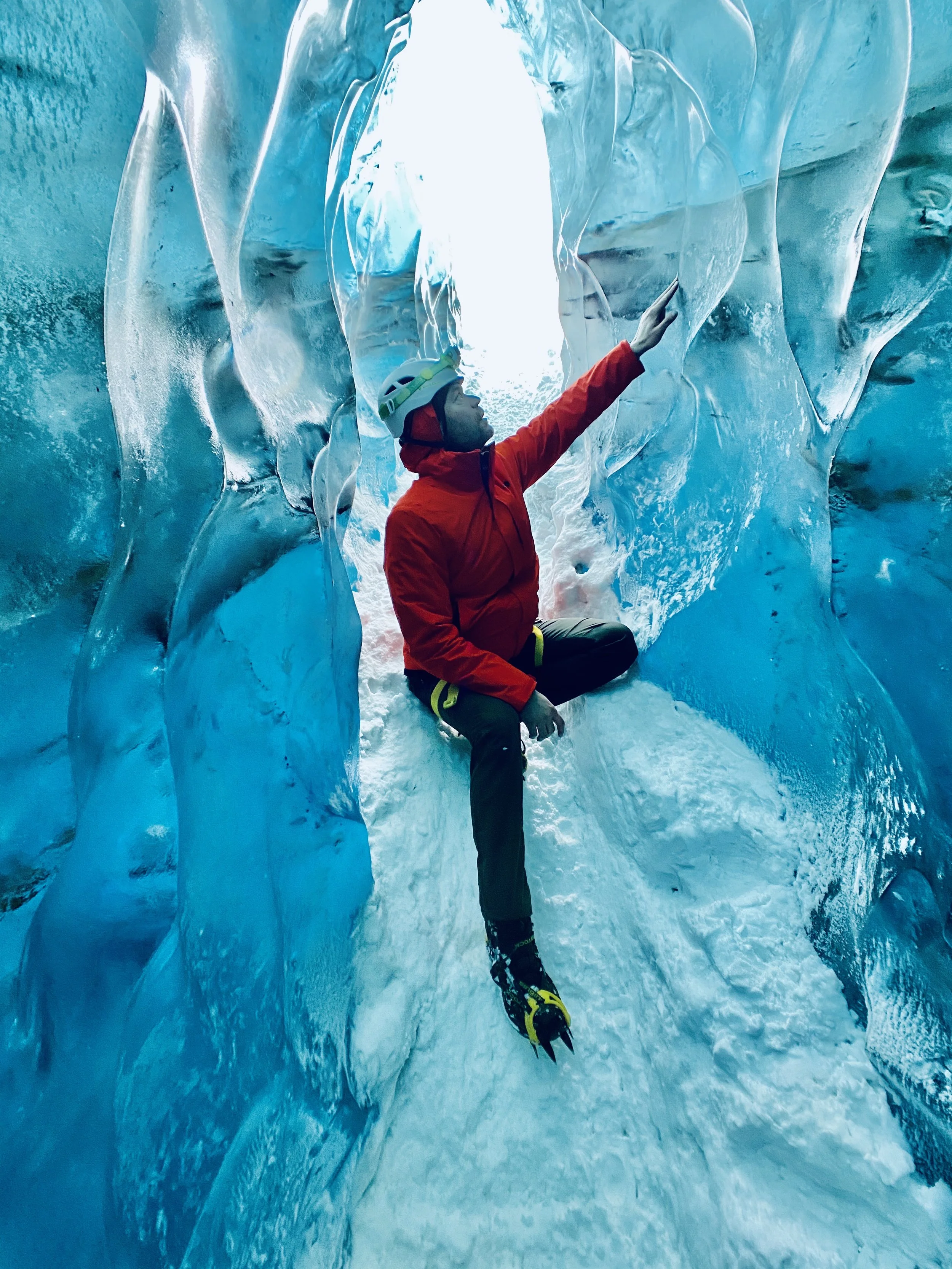
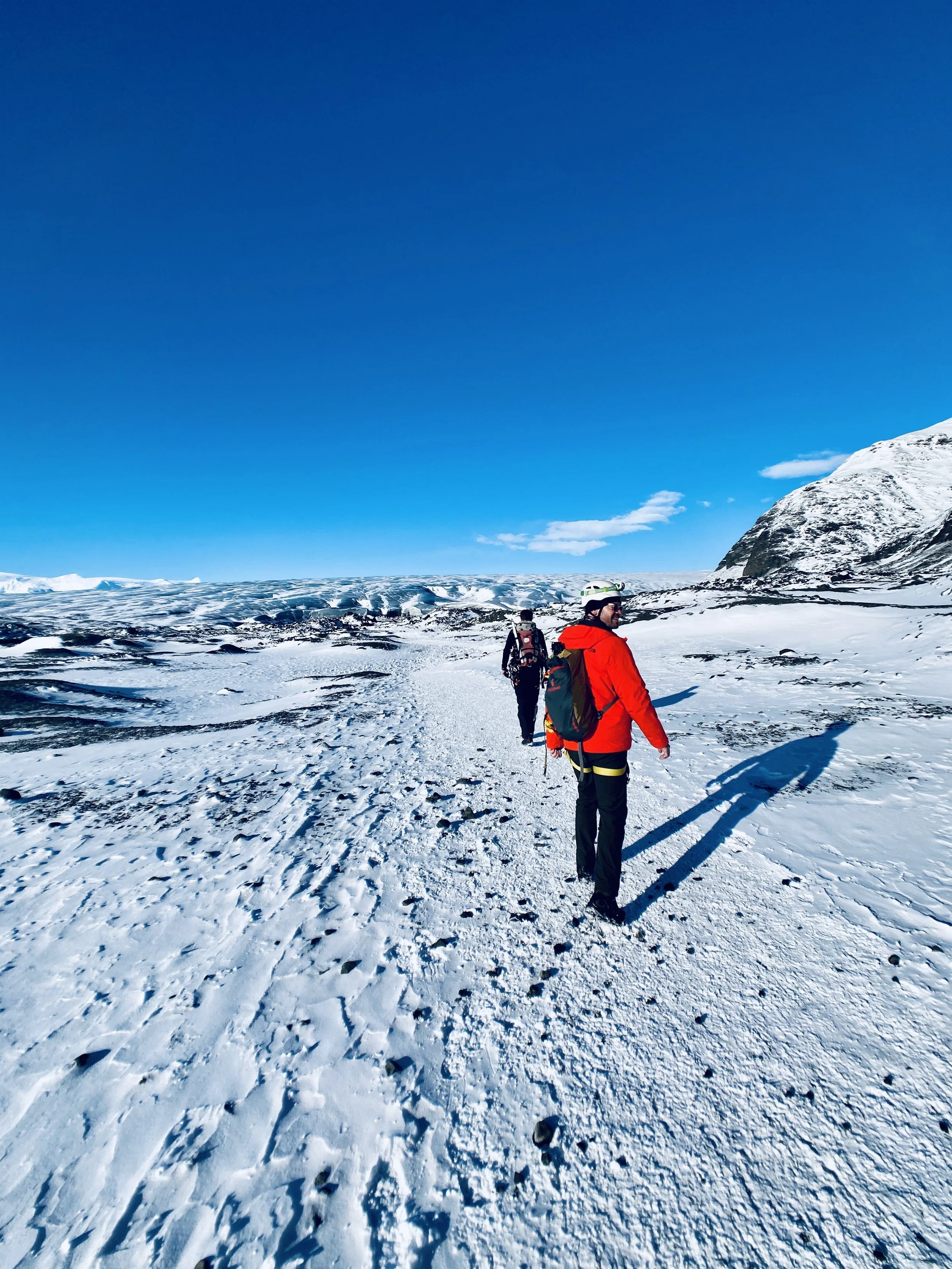
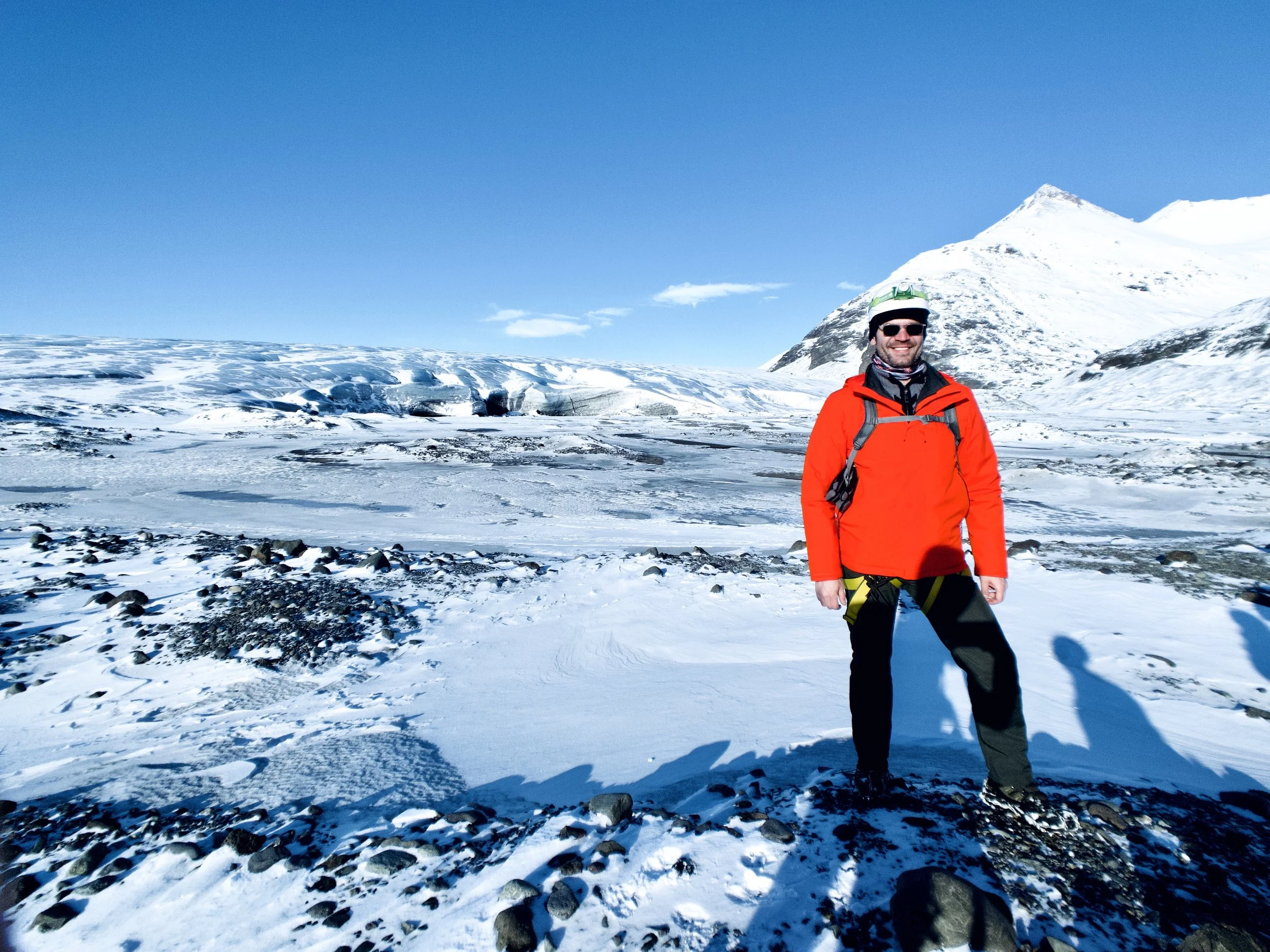
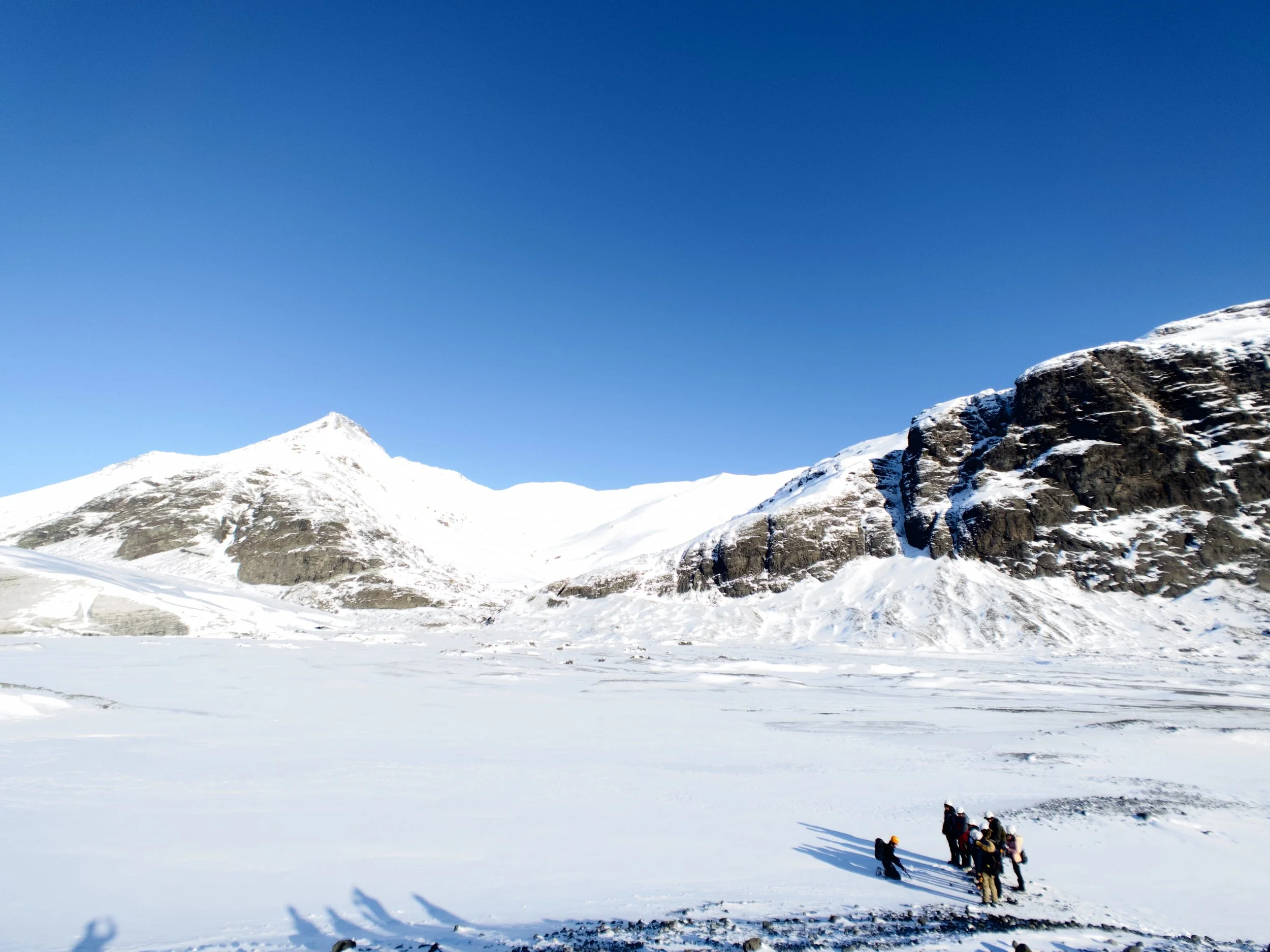
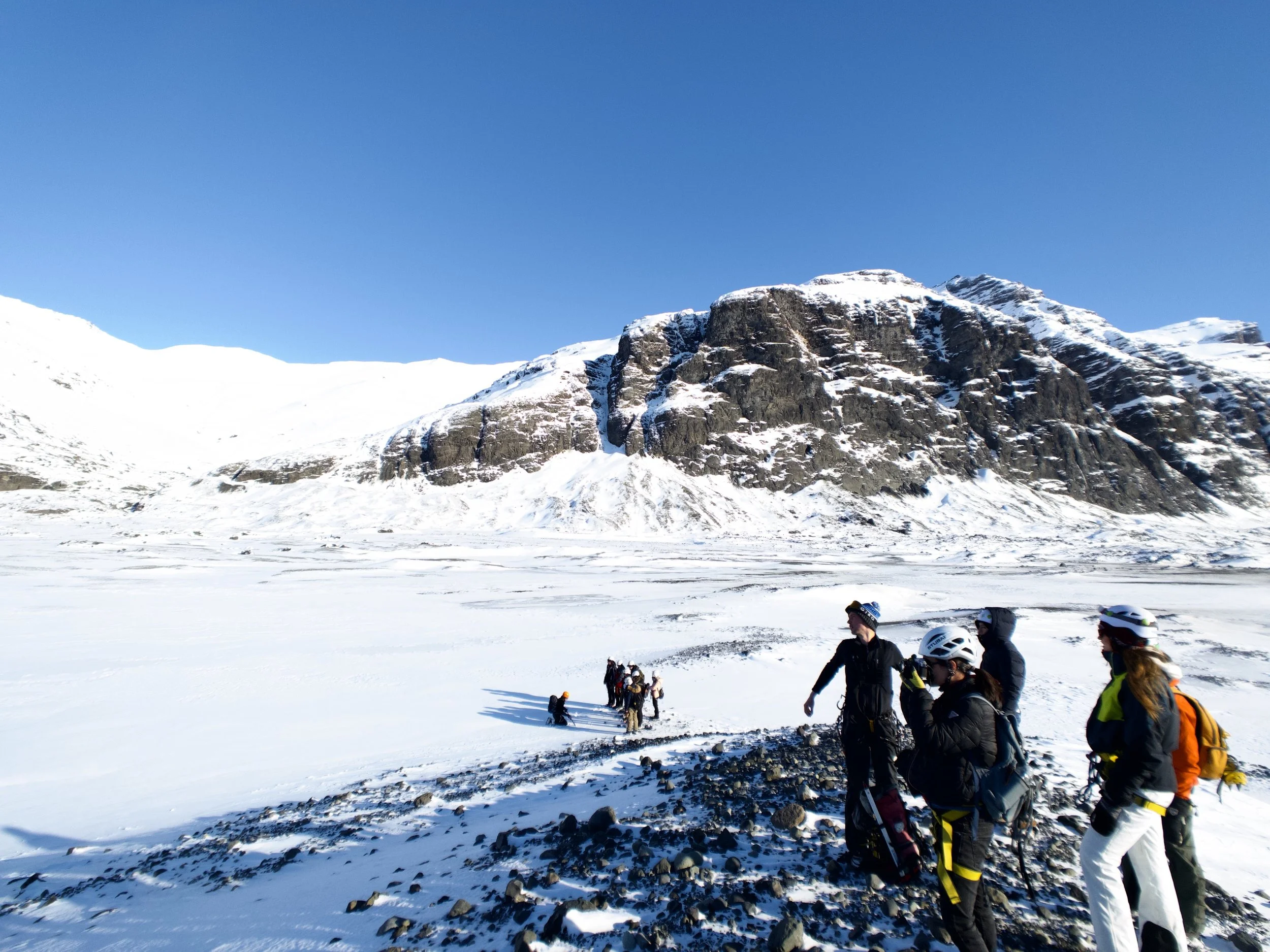
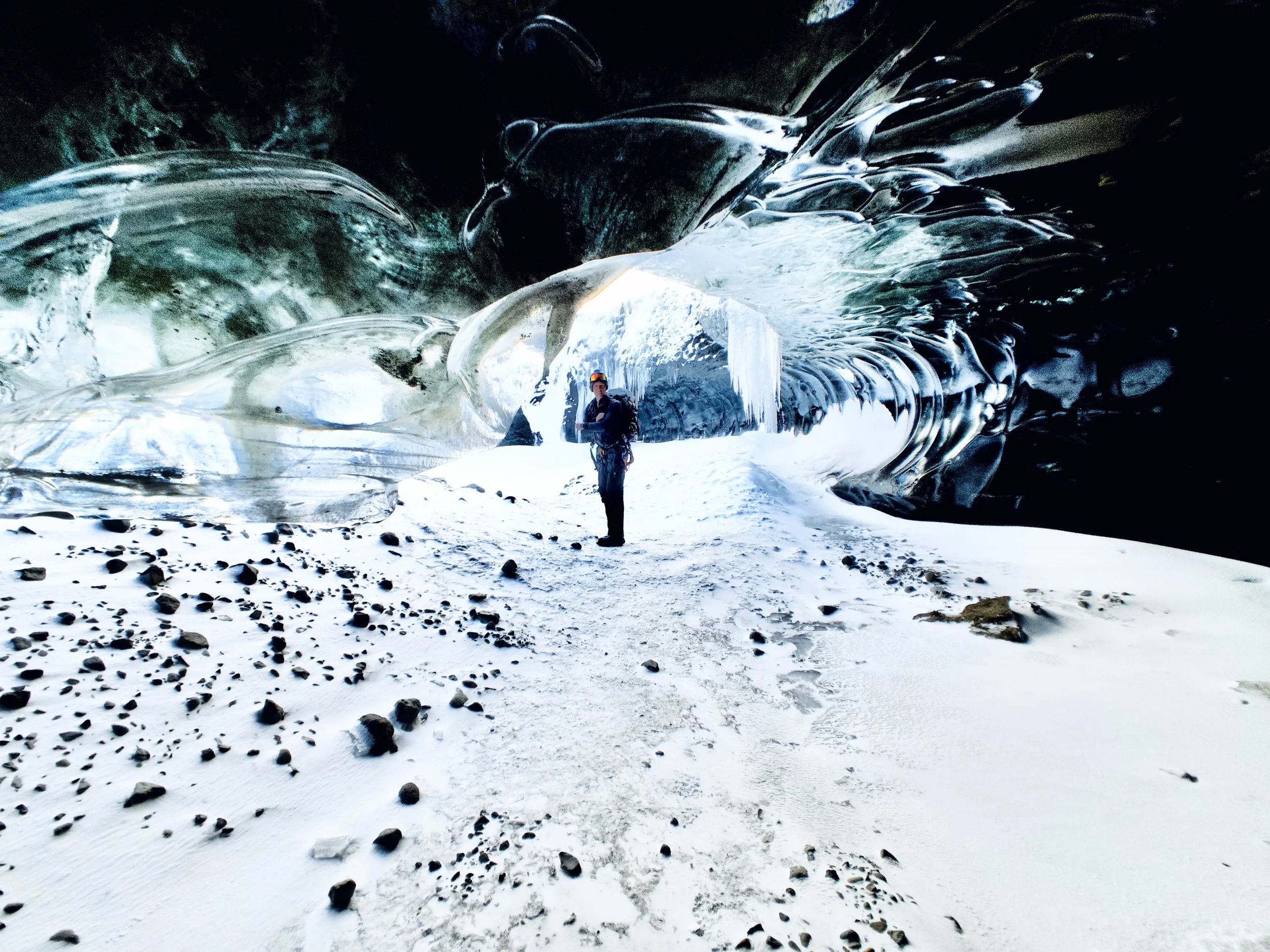
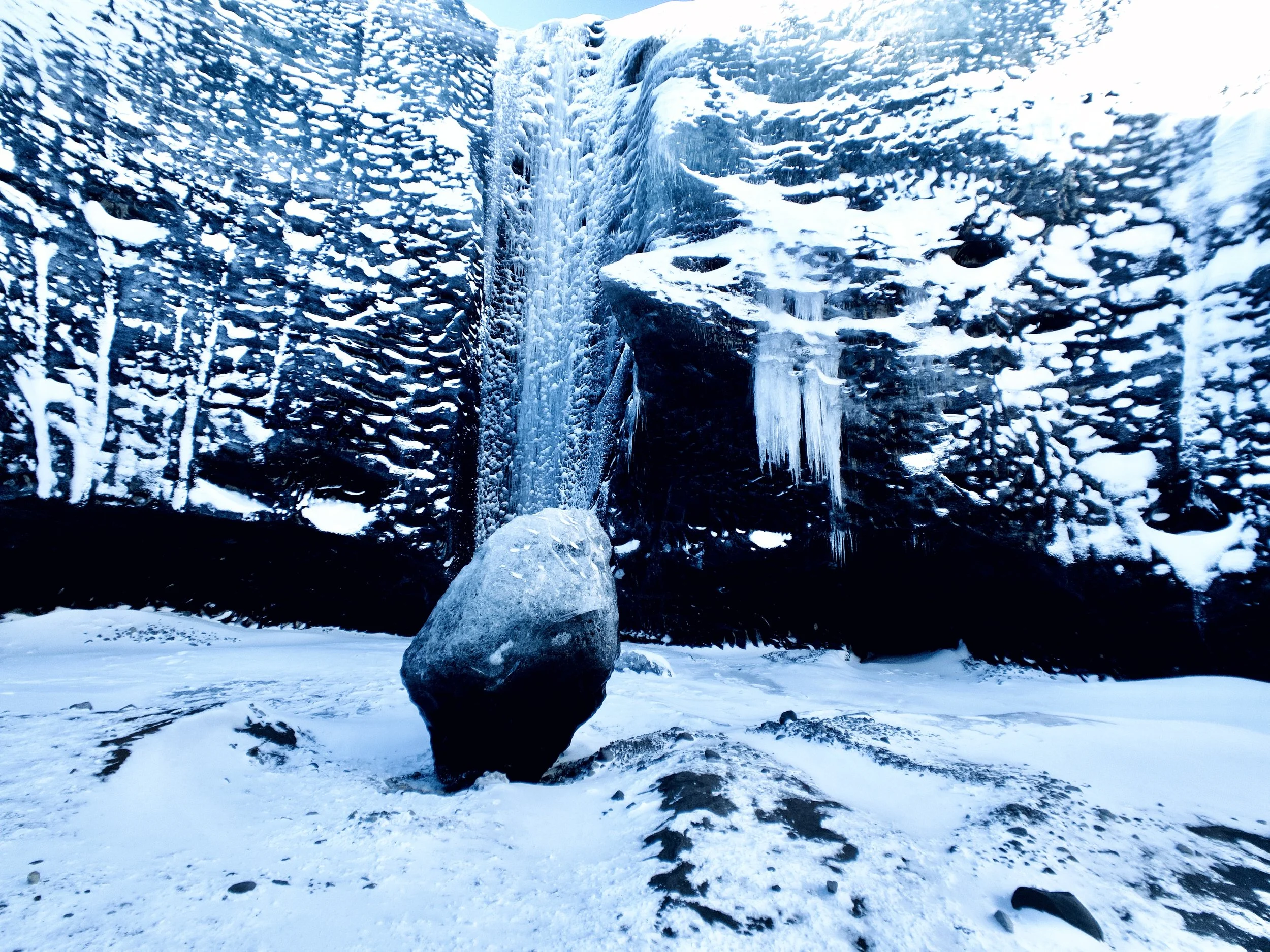
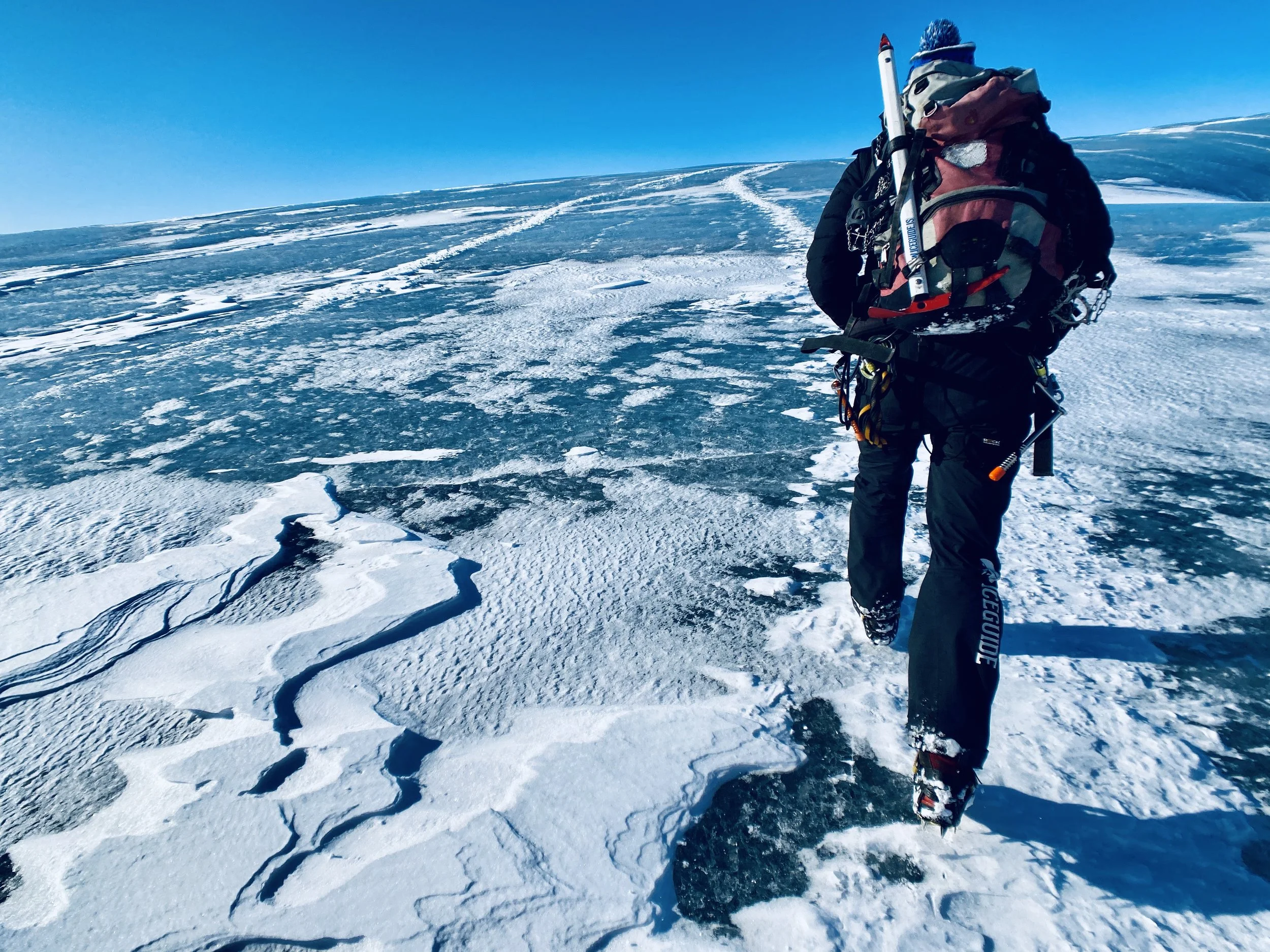
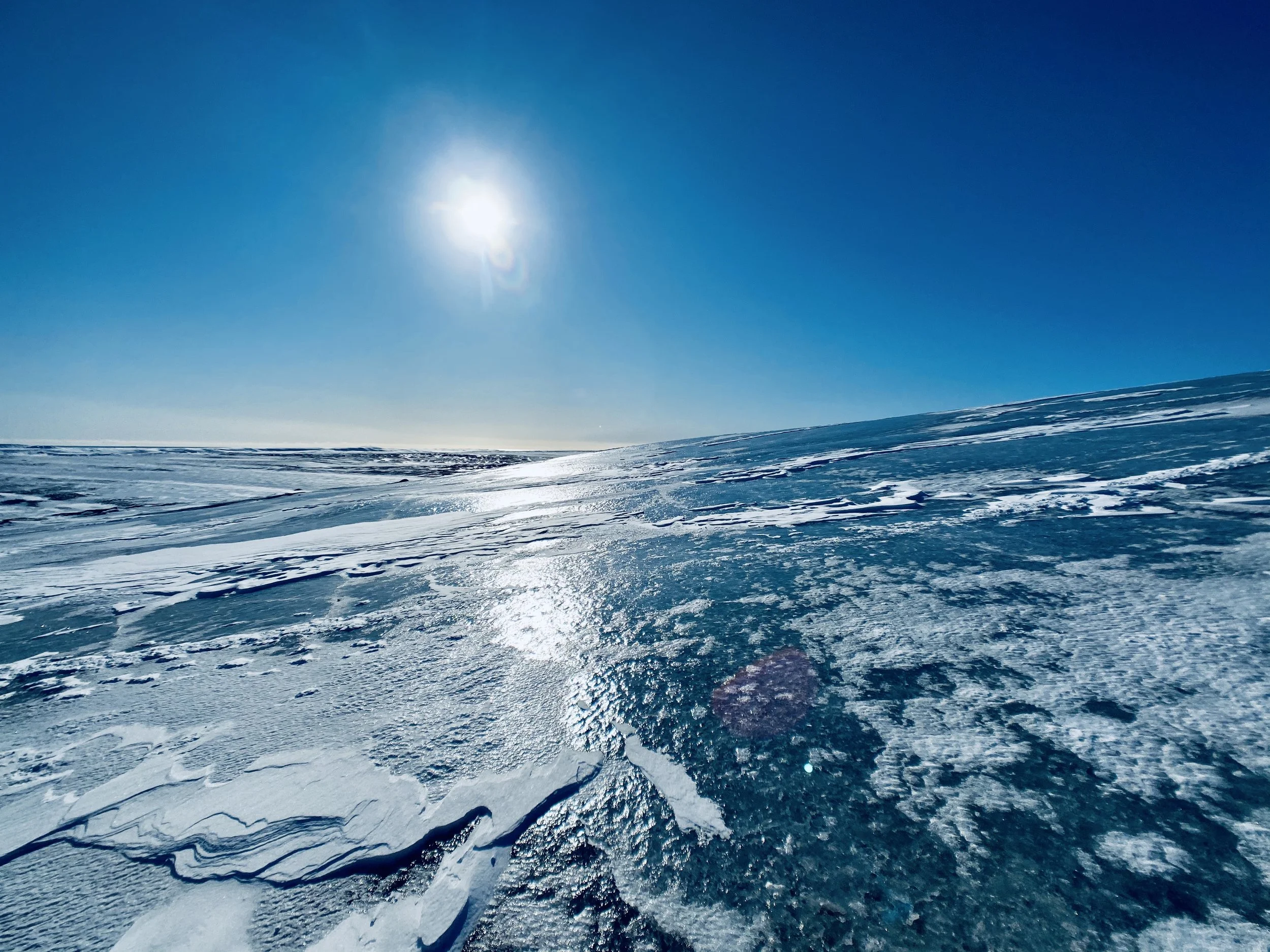
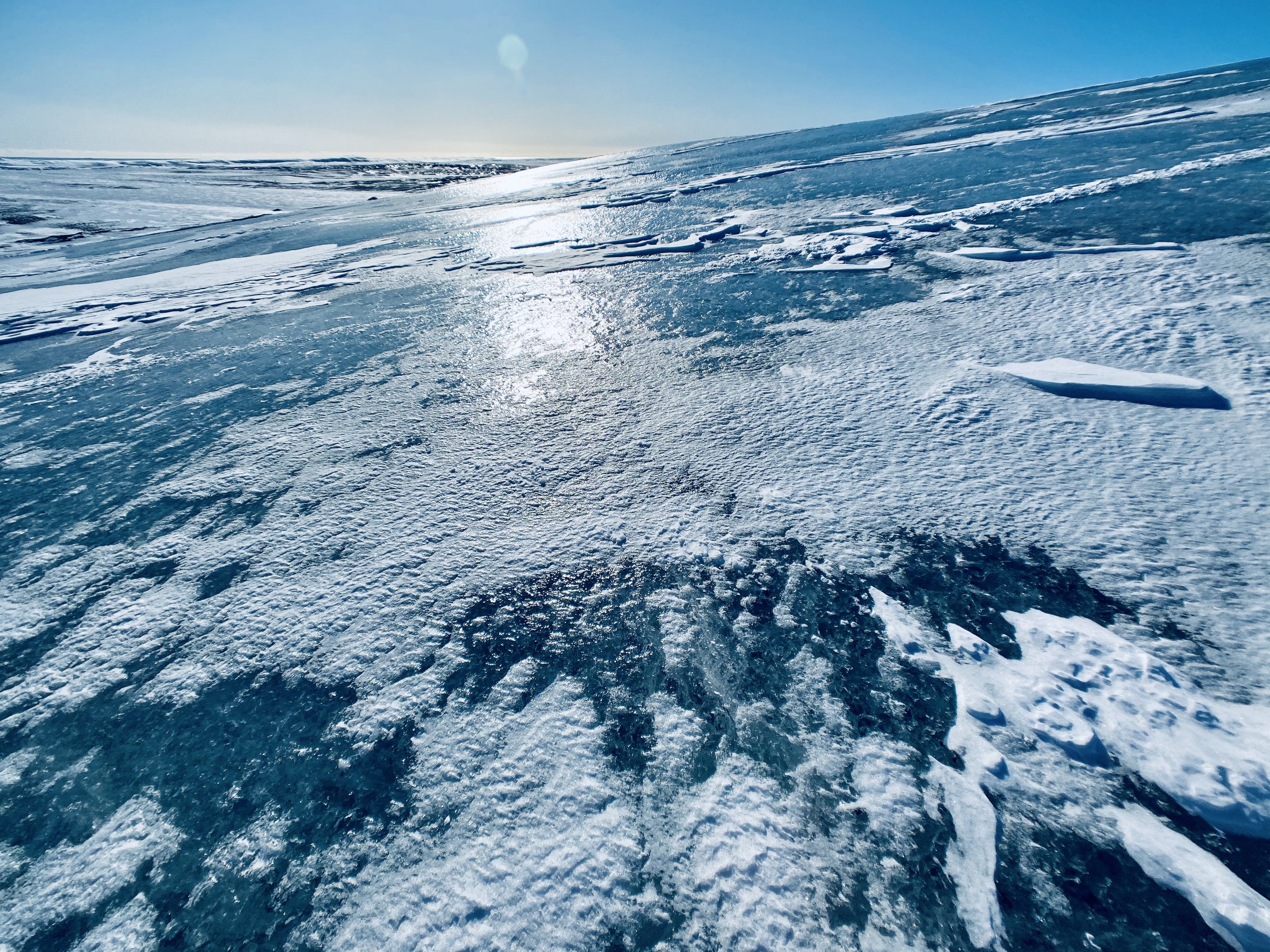
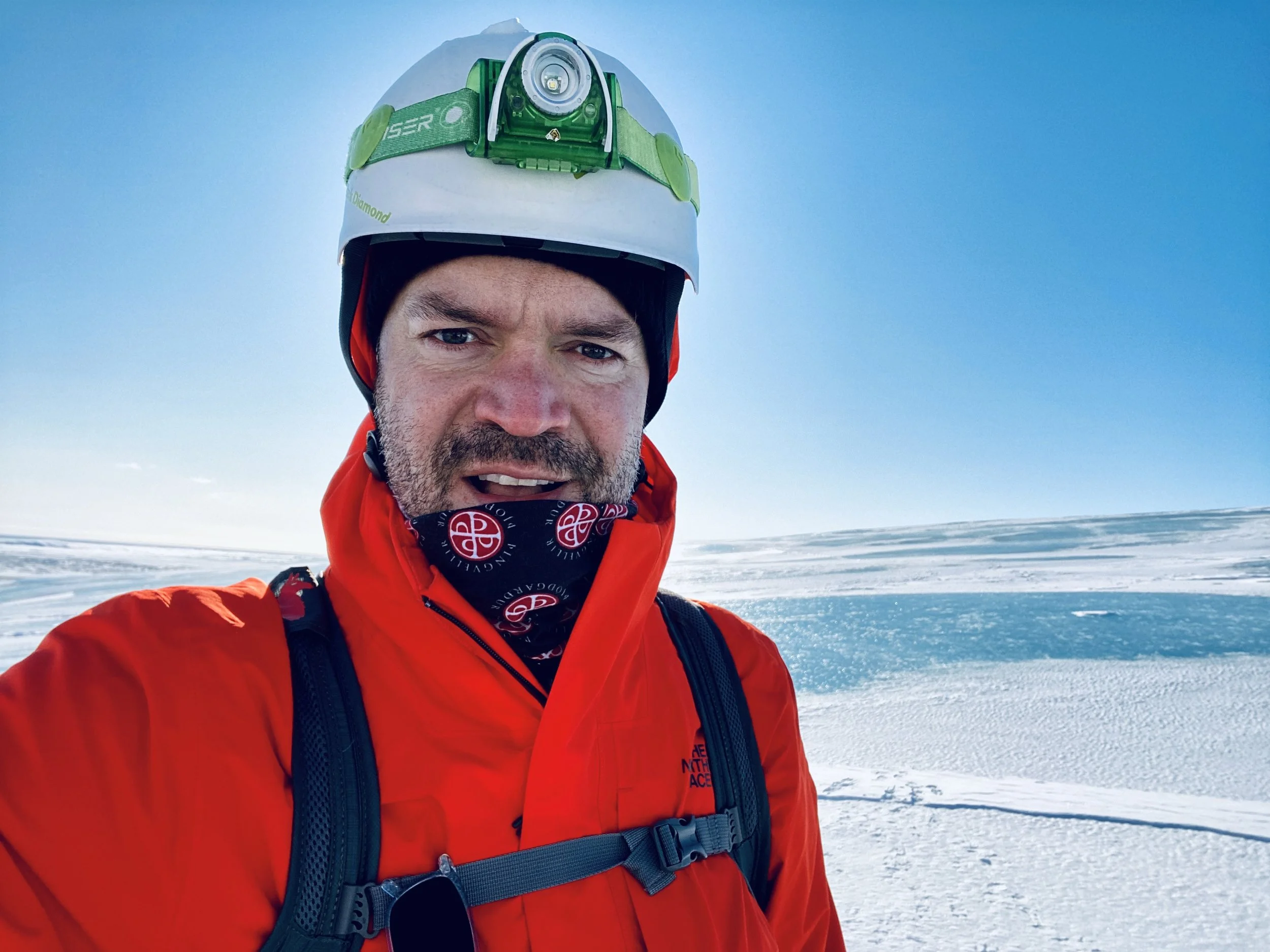
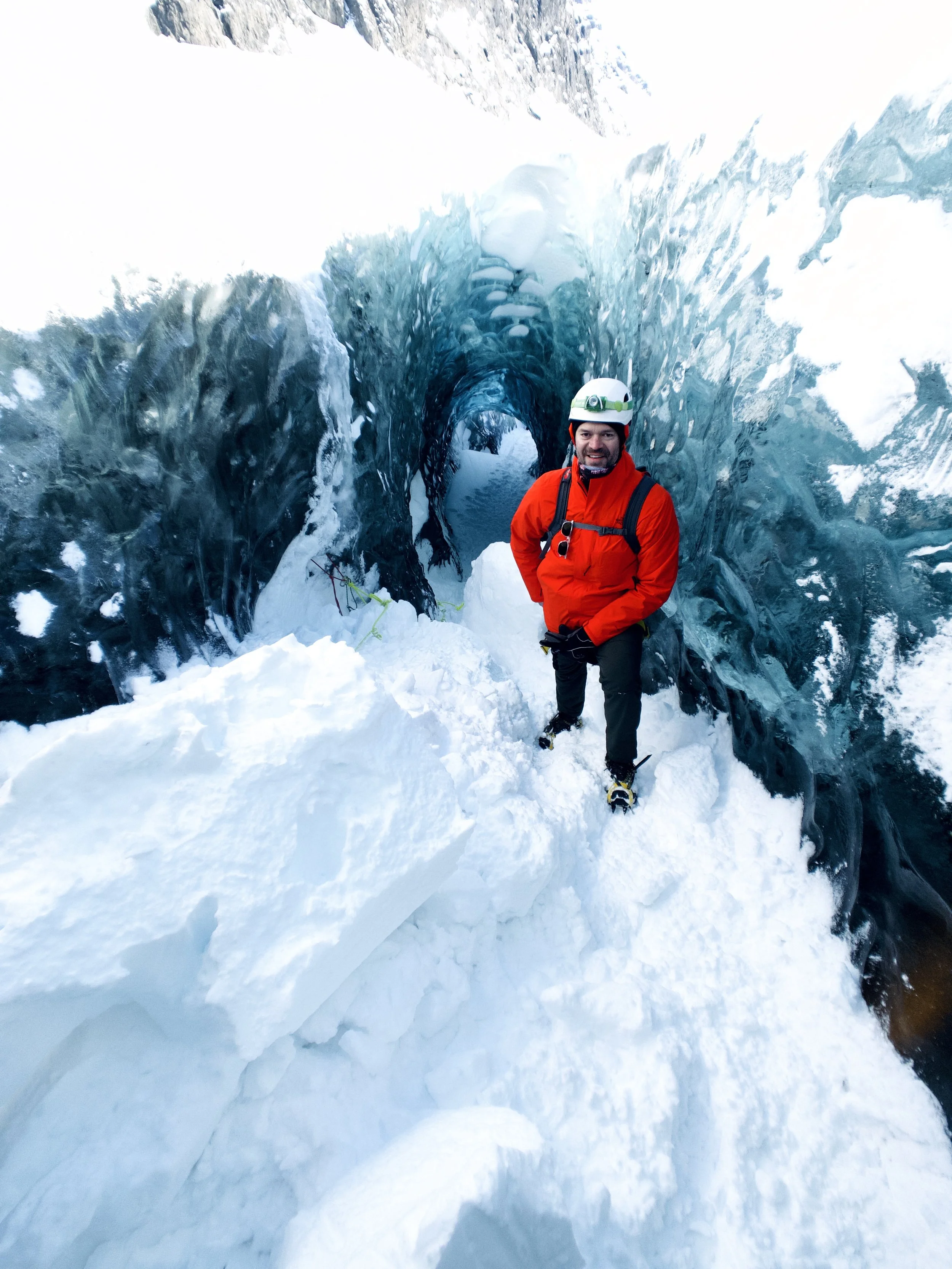
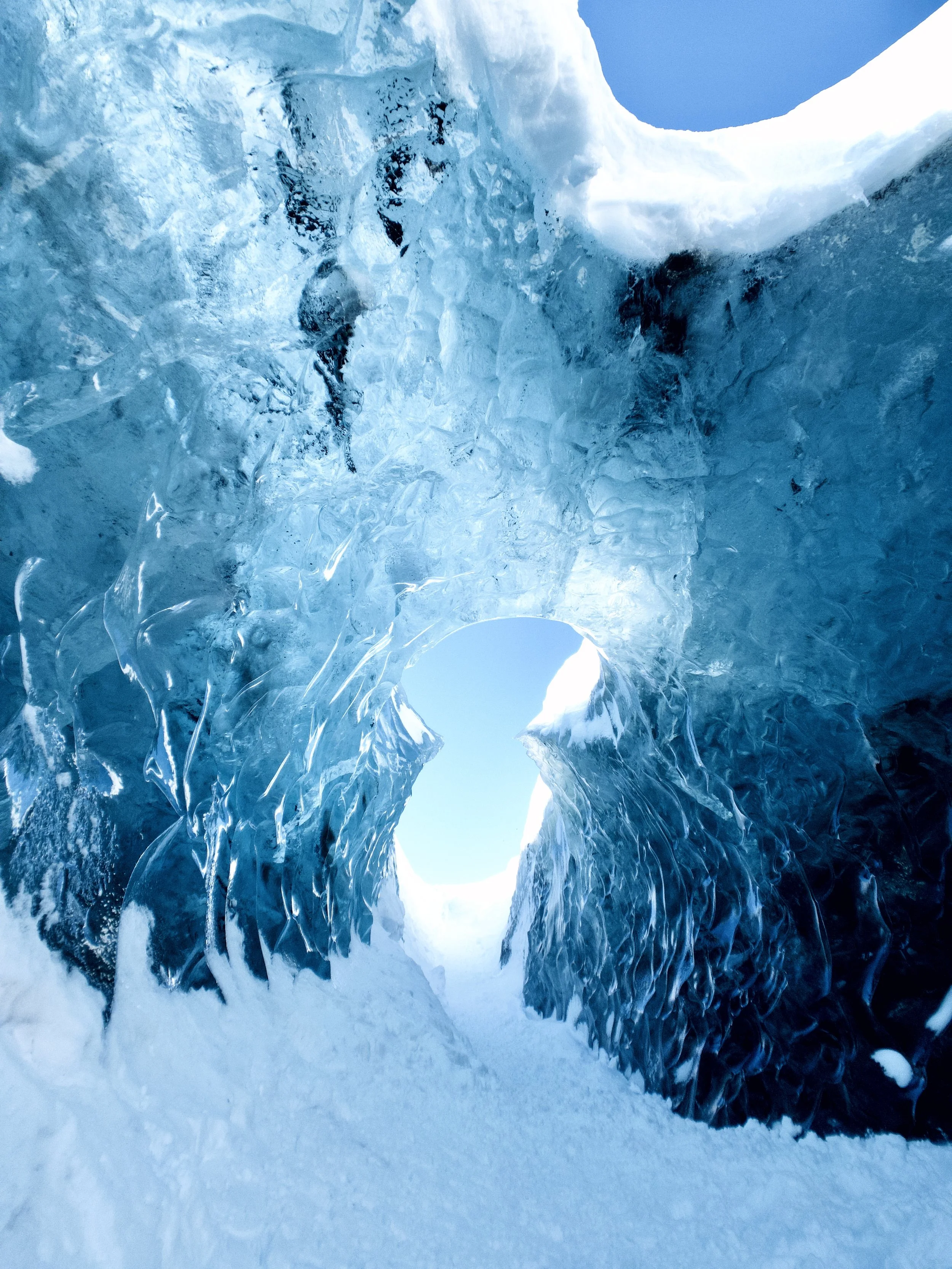
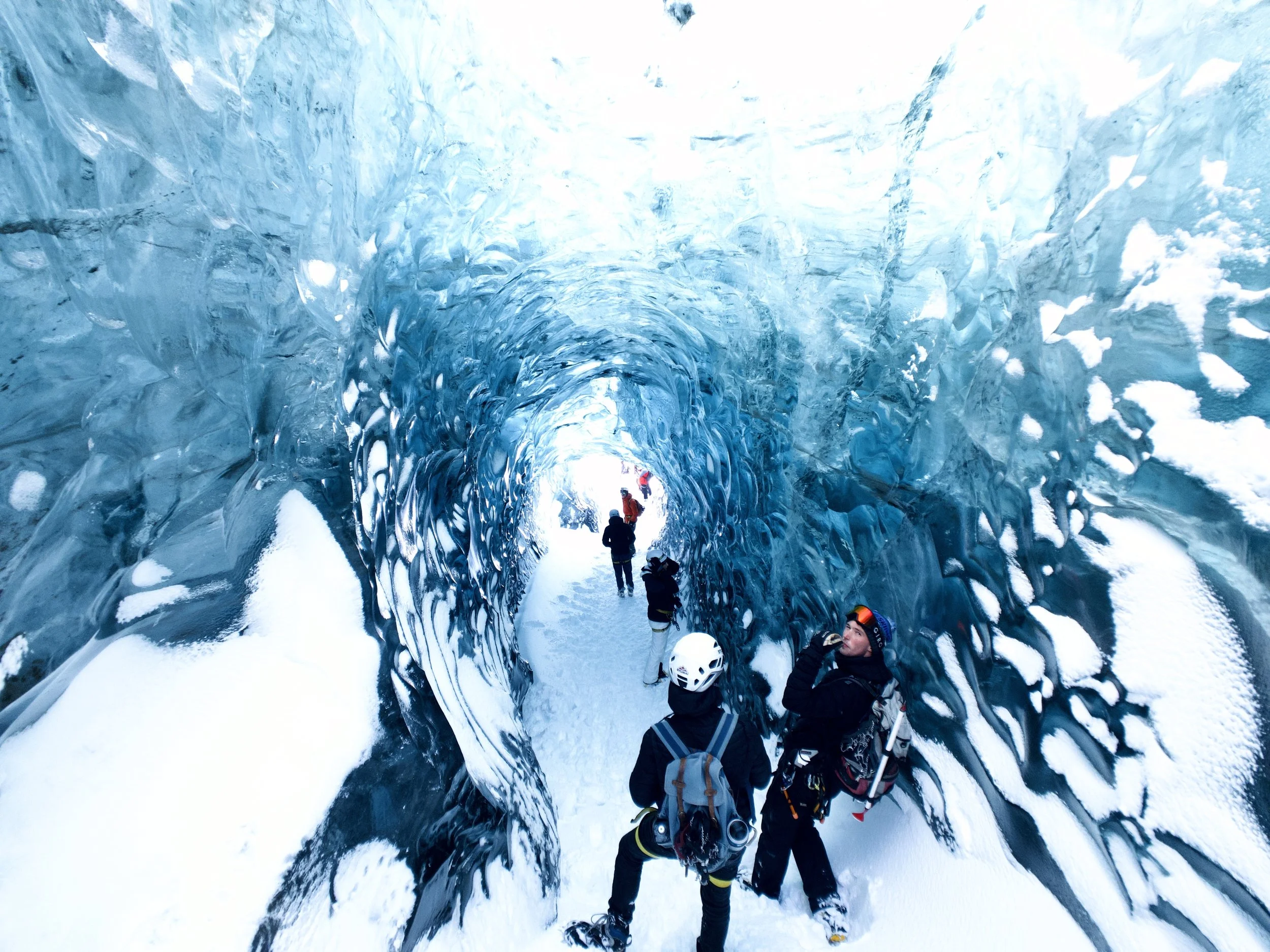
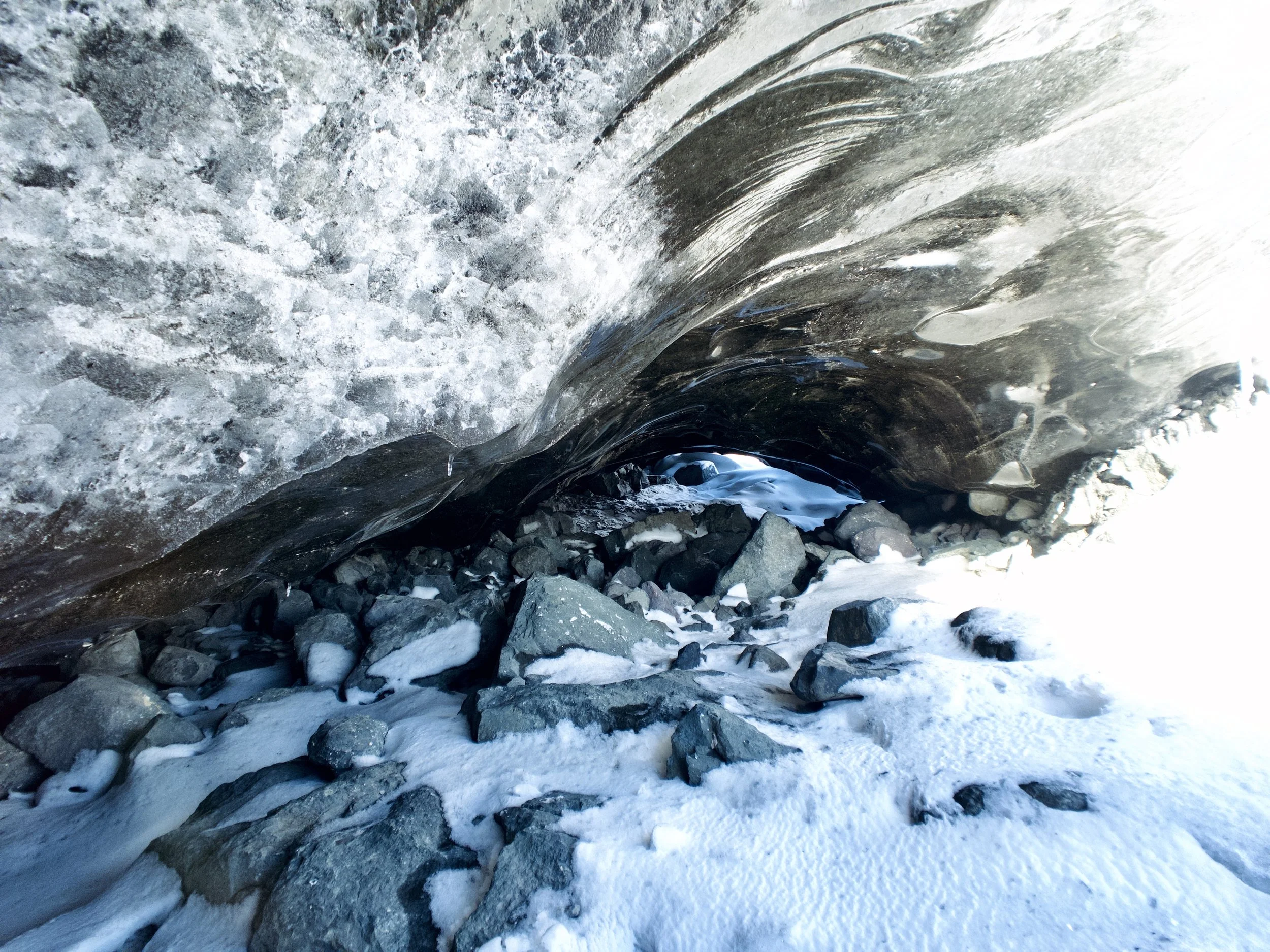
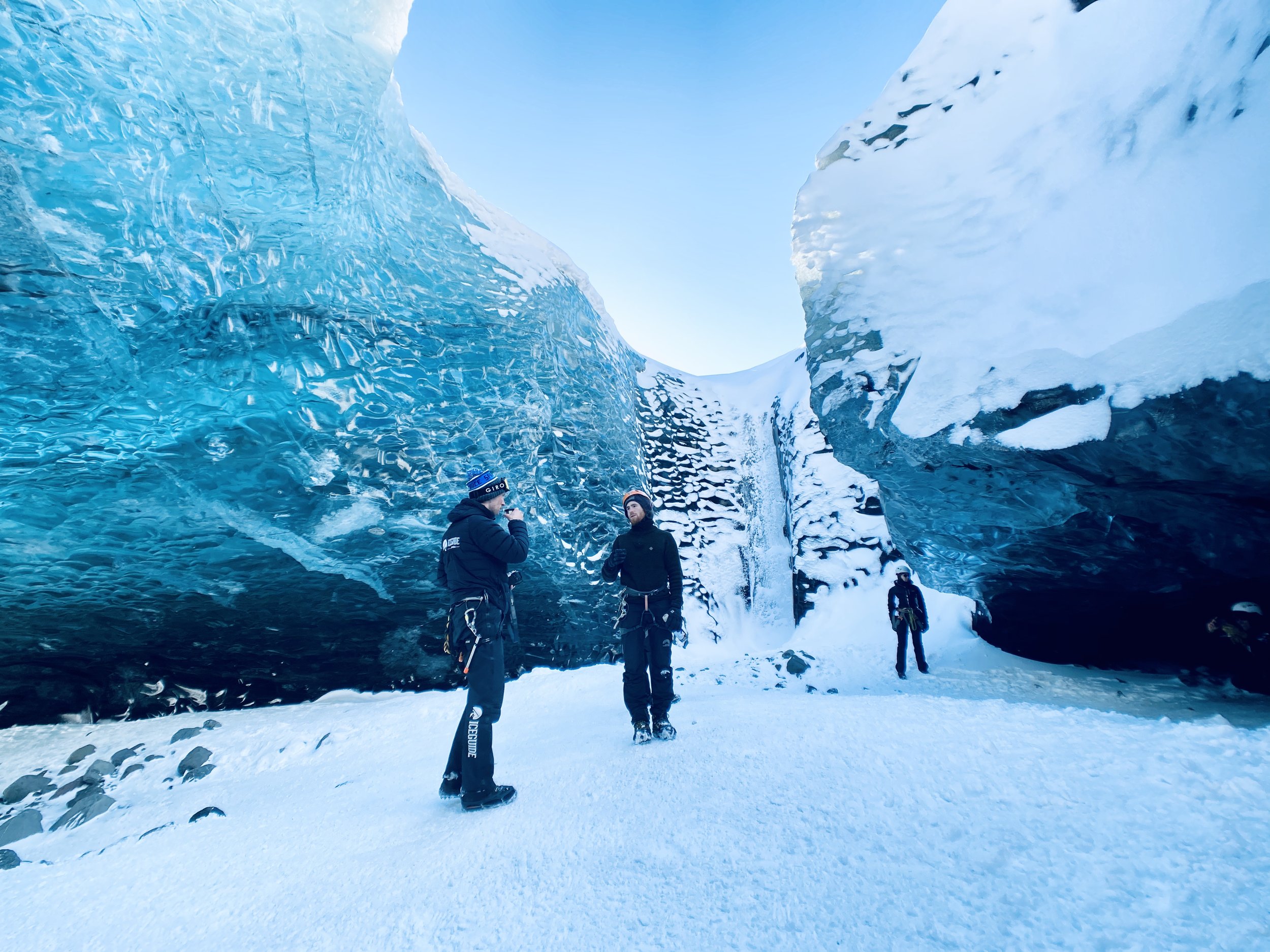
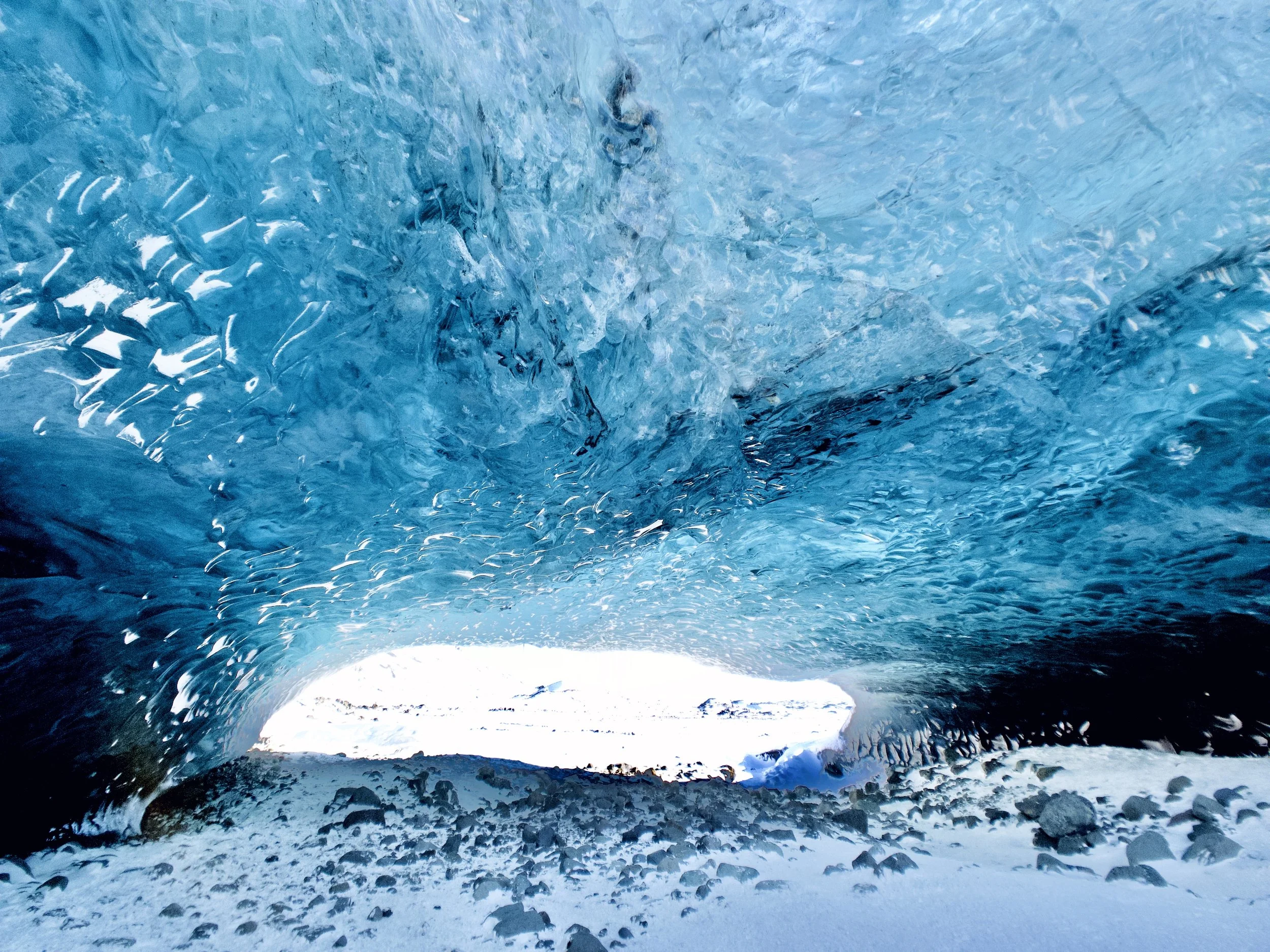
They felt alive, not in a sentimental way, but in the way a landscape can feel alive when you realize it has memory.
A glacier is not only beautiful. It is a witness.
It holds air, ash, pressure, temperature, movement, and time. It is a frozen archive of the planet’s history, slowly shaped over centuries and then, in our lifetime, suddenly retreating.
That was the part that stayed with me.
From Study to Lived Experience
That trip became one of the ways I tried to commune with nature. Not just look at it, not just photograph it, but stand inside the reality of it.
I wanted to feel the cold, hear the silence, see the scale, and understand in my body what rising temperatures and greenhouse gas emissions mean beyond the language of reports and coursework.
Columbia gave me the systems view: climate science, policy frameworks, emissions trajectories, and the consequences of delay. Iceland gave that learning a landscape. It turned the academic into something embodied.
And because the pandemic followed so closely after that trip, the lesson landed even harder. Global challenges are not abstract when they begin reshaping daily life. Climate change is different from a pandemic, of course, but both remind us that stability is not guaranteed, systems matter, and delay has consequences.
They also remind us to live fully, not carelessly, but with attention. To go toward the places that call us. To let wonder sharpen responsibility instead of dulling it.
Before Skiing, There Was Ice
Now, years later, as skiing has become such a joyful and humbling part of my life, I can see the thread more clearly.
My love of snow did not come out of nowhere. Before skiing, there was ice. Before groomers and chairlifts and trying to link cleaner turns, there was this pull toward cold places, mountain weather, glacial landscapes, and the strange beauty of environments that ask you to pay attention.
Skiing gave that love a new form. It made the relationship more physical. Instead of only standing in awe of winter landscapes, I was moving through them, learning from them, being challenged by them, and finding joy in them.
That joy matters. It is not separate from climate work. In some ways, it may be one of the strongest reasons to keep doing the work.
Because when you have stood near a glacier, when you have watched ice break into a lagoon, when you have seen black volcanic sand glitter with fragments of ancient ice, the conversation about climate change becomes less theoretical. It becomes personal. Not in a narrow way, but in a grounded way.
Protection is not only about data, compliance, targets, or policy. It is also about love, memory, responsibility, and the places that make us feel most alive.
What We Value Enough to Protect
I think that is why this thread keeps returning for me now: climate, conservation, recreation, and the built environment are not separate interests. They are connected by the same question.
What do we value enough to protect?
For me, Iceland helped answer that question. Skiing is helping me ask it again.
And maybe that is the story I am still learning how to tell: how awe becomes action, how joy becomes stewardship, and how the landscapes that move us can also call us into deeper responsibility.